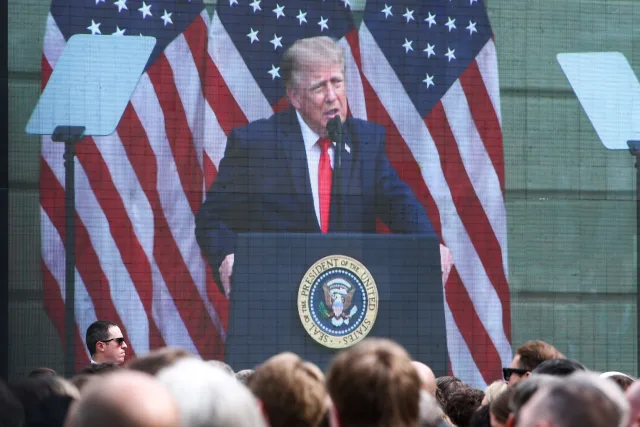
US Supreme Court rejects Trump mail ballot restrictions
The Supreme Court rejected a bid to impose new postal ballot requirements, ensuring states can continue using established mail-in voting systems.
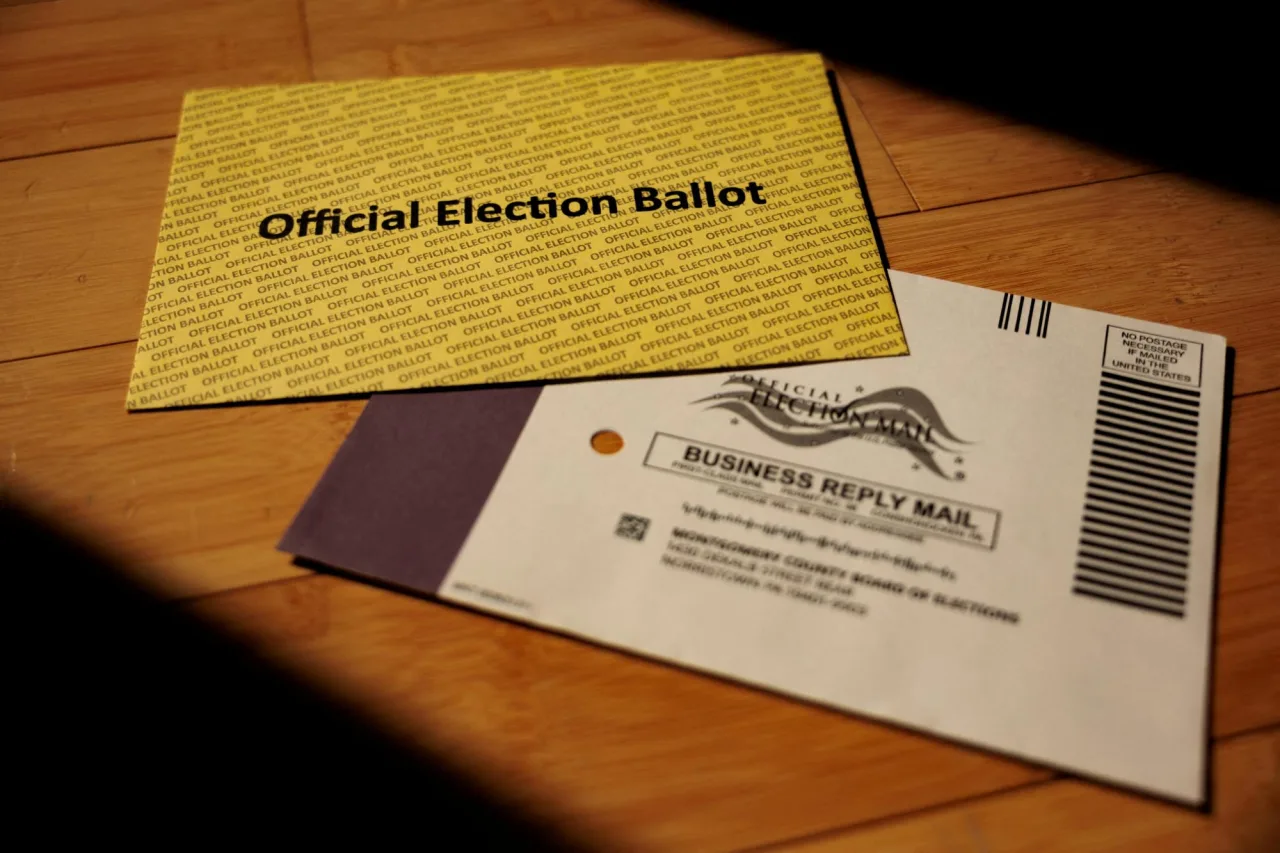
The U.S. Supreme Court on Monday blocked President Donald Trump’s efforts to restrict mail-in voting ahead of the November midterm elections, delivering a major setback to the former president’s campaign to overhaul ballot procedures. The unsigned emergency order upheld a federal judge’s injunction preventing the implementation of new postal ballot requirements, ensuring states can continue using existing mail voting systems. The decision comes as voting begins in several states, with nearly a third of U.S. voters relying on mail ballots for elections.
Trump’s Plan and Legal Challenges
Trump’s proposed restrictions, outlined in an executive order from March 2026, would have required states to adopt uniform ballot envelope designs and submit voter lists to a federal online portal. The Postal Service could have refused to deliver ballots from states that failed to comply, a move critics warned would disrupt mail-in voting. The administration argued the rules were necessary to prevent fraud, though no evidence of widespread mail ballot fraud has been presented.
The plan faced immediate legal challenges from 23 states, the District of Columbia, and voting rights groups, who contended Trump lacked constitutional authority to impose federal election rules. Lower courts, including a judge nominated by Trump, blocked the policy, citing the impracticality of implementing changes weeks before the midterms. The Supreme Court’s latest decision upheld these injunctions, though it did not resolve the broader legal question of the policy’s constitutionality.
Reactions from Officials and Advocates
Democratic state officials and voting rights advocates celebrated the ruling as a victory for election integrity. Washington Secretary of State Steve Hobbs called the decision “a major victory for Colorado and American democracy,” while Arizona’s Democratic Secretary of State Adrian Fontes emphasized the need to protect both access and security in elections. Utah Lt. Gov. Deidre Henderson, a Republican, stated the ruling ensured “Utahns can have confidence that the 2026 election will proceed as normal.”
Critics of Trump’s plan, including the League of Women Voters, warned the restrictions would have created “chaos” by forcing states to rapidly adapt to new rules. Celina Stewart, the group’s CEO, condemned the administration’s attempt to “rewrite election rules” through the Postal Service. “Voters should never be caught in the middle of a political power warfare,” she said.
Justices’ Diverging Opinions
The Supreme Court’s decision reflected deep divisions over the scope of federal authority in election administration. Justices Samuel Alito and Clarence Thomas dissented, arguing the Postal Service had the legal power to enforce Trump’s rules. Alito criticized the “procedural chaos” created by the litigation, stating the plaintiffs had “responsible for so much of the delay.”
Justice Brett Kavanaugh, a Trump appointee, concurred with the majority but signaled openness to the administration’s position in future cases. He acknowledged the Postal Service had “at least a fair prospect” of legal authority to regulate mail ballots but warned that enforcing the rules in 2026 would be “arbitrary and capricious” due to the tight timeline. The court’s decision left open the possibility of revisiting the issue in subsequent elections.
| Detail | Information |
|---|---|
| States using mail ballots | Nearly a third of U.S. voters, with Washington, Oregon, and Colorado relying heavily on mail-in voting. |
| States that began sending ballots | Alabama, North Carolina, and Wisconsin had already distributed mail ballots before the Supreme Court’s ruling. |
| Justices dissenting | Samuel Alito and Clarence Thomas argued the Postal Service had authority to enforce Trump’s rules. |
| Legal challenges | 23 states, the District of Columbia, and voting rights groups sued to block the policy, citing constitutional and practical concerns. |
Implications for the Midterm Elections
The ruling ensures that mail-in voting will proceed under existing protocols, avoiding potential disruptions in states with established mail ballot systems. However, the decision does not resolve the underlying legal dispute, leaving room for future litigation. The Trump administration has not yet indicated whether it will appeal the ruling or adjust its strategy.
With the midterms less than two months away, the outcome has been framed as a pivotal moment for safeguarding voting access, even as the long-term legal battle over federal authority in elections remains unresolved.
Frequently Asked Questions
What did the Supreme Court decide?
The U.S. Supreme Court rejected President Donald Trump’s bid to restrict mail-in ballots for the November midterm elections, upholding a federal judge’s injunction that blocked new postal ballot requirements. The decision allows states to continue using existing mail voting procedures.
Why did Trump want to restrict mail ballots?
Trump argued the restrictions were necessary to prevent election fraud, despite no evidence of widespread mail ballot fraud. His executive order required states to adopt uniform ballot envelopes and submit voter lists to a federal portal, which critics said would disrupt mail voting and disenfranchise voters.
What happens next?
The Supreme Court’s decision does not resolve the broader legal dispute, leaving room for future litigation. The Trump administration may challenge the ruling in subsequent elections, but the immediate focus remains on ensuring mail-in voting proceeds without interruption for the midterms.
The court’s decision underscores the growing political and legal tensions over election administration, with mail voting at the center of the debate. As the midterms approach, the outcome has been framed as a pivotal moment for safeguarding voting access, even as the long-term legal battle over federal authority in elections remains unresolved.
Dateline Wire is dedicated to independent, evidence-backed reporting. This briefing was synthesized from primary source reporting, corroborated across independent newsrooms, and verified against our Editorial Standards.