Trump warns he may blow up Iran as conflict reaches critical turning point
President Trump escalated rhetoric against Iran, outlining options ranging from military destruction to diplomatic talks at the UN General Assembly.
- Headline: Trump warns he may blow up Iran as conflict reaches critical turning point
- Dispatch Summary: President Trump escalated rhetoric against Iran, outlining options ranging from military destruction to diplomatic talks at the UN General Assembly.
- Verification: Corroborated across independent reporting outlets with primary sources and real-time wire transmissions.
Trump's Ultimatum and Three Options
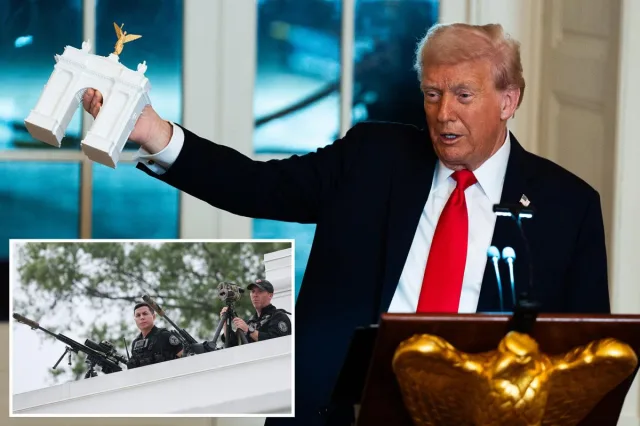
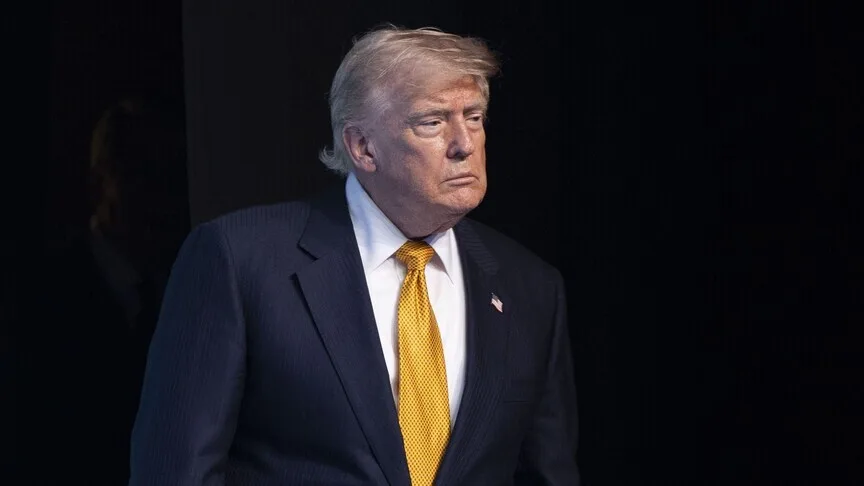
US President Donald Trump has escalated rhetoric surrounding the Iran conflict, declaring the situation has reached a "critical turning point" and stating, "My question is, if and when do I blow the entire nation up?" The remark, made during an interview with Fox News, underscores a stark shift in tone as tensions between Washington and Tehran approach a volatile threshold.
Trump detailed three potential courses of action: "wiping the country out," allowing Iran to "rot" economically, or pursuing a diplomatic resolution. He emphasized that "very big things are going to be happening in the not-so-distant future," though he stopped short of specifying timelines or concrete plans. The president's comments come amid reports of US military preparations to resume operations against Iran, a move Tehran has condemned as a provocation.
Iran's central military command, Khatam al-Anbiya, responded by warning that any US attack would trigger "continuous, effective and painful strikes without any limitation or reservation." The statement, reported by multiple outlets, reiterated Iran's stance that regional allies backing US actions would be considered participants in the conflict. This escalation follows Iran's recent delivery of seven truce conditions to the US through Qatari mediators, including a demand to close the Strait of Hormuz if Washington rejects its terms.
| Detail | Information |
|---|---|
| Estimated war cost | $43.6 billion as of September 3, according to U.S. Central Command |
| Monthly war expenses | Approximately $3 billion, per Congressional Budget Office projections |
| Polling on Trump's war strategy | 71% of Americans believe he lacks a plan to end the conflict, per a Fox News survey |
Iran's Response and Regional Tensions
Iranian Parliament Speaker Mohammad Bagher Ghalibaf emphasized a dual approach of "fighting sensibly and decisively" and "negotiating with authority and rationality," though he framed the nation's conditions as "completely clear, rational, and non-negotiable." This stance aligns with statements from Iran's supreme national security council, which called for "decisive war" if US demands are unmet. The country's leadership has also accused the US of "deception and unilateral imposition," a narrative echoed by President Masoud Pezeshkian's office, which has yet to comment on Trump's overture for talks.
The threat of renewed hostilities has intensified regional instability. The US State Department issued a travel warning citing "escalating friction across the region," while Saudi Arabia closed its East-West pipeline following aerial attacks linked to Iran-backed Houthi rebels. Trump's administration has maintained communication with Yemen's Houthis, claiming the group has agreed to avoid direct conflict with US forces. However, the president's abrupt return to Washington from Camp David and the sudden escalation of military readiness signals deepening uncertainty.
The conflict's economic toll is also mounting. Crude oil prices surged as tensions flared over attacks on oil tankers in the Strait of Hormuz, with Minneapolis Federal Reserve President Neel Kashkari warning that inflation remains "too high across all sectors of the economy." This financial pressure coincides with a $43.6 billion war cost estimate, a figure that has drawn scrutiny from lawmakers and analysts alike.
UN General Assembly and Diplomatic Outlook
The upcoming United Nations General Assembly (UNGA) high-level week, beginning September 22, has become a focal point for potential diplomatic breakthroughs. Trump indicated he would "probably be open" to meeting Iranian President Pezeshkian during the event, though no formal invitation has been extended. The 81st session of UNGA will feature the core General Debate from September 22 to 28, with leaders from across the globe expected to address regional conflicts and global security challenges.
Egyptian President Abdel Fattah el-Sissi has emerged as a key mediator, urging the full implementation of a US ceasefire plan for Gaza and expressing support for resolving the Iranian crisis. Meanwhile, QatarEnergy CEO Saad al-Kaabi warned that disruptions in the Strait of Hormuz could delay LNG projects, including the North Field East expansion, which is slated to begin production in 2027. These economic and political pressures add layers of complexity to the already fraught situation.
Despite Trump's threats, diplomatic channels remain open. The Iranian Parliament's Ghalibaf acknowledged the possibility of negotiation "at the right time," while US officials have emphasized ongoing communication with regional partners. However, the absence of a clear path to de-escalation leaves the region teetering on the edge of further conflict.
Economic and Military Implications
The war's financial burden is growing, with the Congressional Budget Office projecting monthly expenses of $3 billion depending on the conflict's intensity. This figure includes the cost of military operations, diplomatic efforts, and humanitarian aid, though exact allocations remain unclear. The US military's price tag for the Iran conflict has now reached $43.6 billion as of September 3, according to U.S. Central Command, a figure that has sparked calls for greater transparency from lawmakers.
Militarily, the situation remains volatile. The US has reportedly resumed planning for operations against Iran, a move that could trigger retaliatory strikes from Tehran. Iran's Khatam al-Anbiya command has warned that any "mistake" by the US would result in "painful strikes" against its bases and interests in the region. This mutual escalation raises the risk of a broader conflict, particularly as the war enters its eighth month.
Meanwhile, the human cost continues to mount. U.S. forces have faced criticism for strikes that have hit civilian areas, including a February attack on a girls' school in Minab that killed 120 children. These incidents have fueled domestic and international backlash, further complicating Trump's political standing as he approaches the November midterm elections.
Frequently Asked Questions
What are Trump's three options for addressing the Iran conflict?
Trump outlined three potential courses of action: "wiping the country out," allowing Iran to "rot" economically, or pursuing a diplomatic resolution. He emphasized that "very big things are going to be happening in the not-so-distant future," though he did not specify which option he favors.
What is the current estimated cost of the Iran war?
The war has cost $43.6 billion as of September 3, according to U.S. Central Command. The Congressional Budget Office projects monthly expenses of approximately $3 billion, depending on the conflict's intensity.
Will Trump meet with Iranian President Pezeshkian at the UN?
Trump indicated he would "probably be open" to meeting with Pezeshkian during the UN General Assembly's high-level week, which begins September 22. However, no formal arrangements have been announced, and Iran has not responded to the overture.
The coming weeks will test the limits of diplomatic engagement and military preparedness as both sides navigate a conflict that has already cost billions and claimed lives. With the UN General Assembly offering a potential platform for dialogue, the world watches closely to see whether rhetoric will translate into action or if the risk of wider war will escalate further.
How significant is this wire dispatch?
Cast your anonymous vote to register reader consensus across journalism and intelligence sectors.
Dateline Wire is dedicated to independent, evidence-backed reporting. This briefing was synthesized from primary source reporting, corroborated across independent newsrooms, and verified against our Editorial Standards.