Tucker Carlson Claims Netanyahu Pressuring Trump for Iran Nuclear Strike
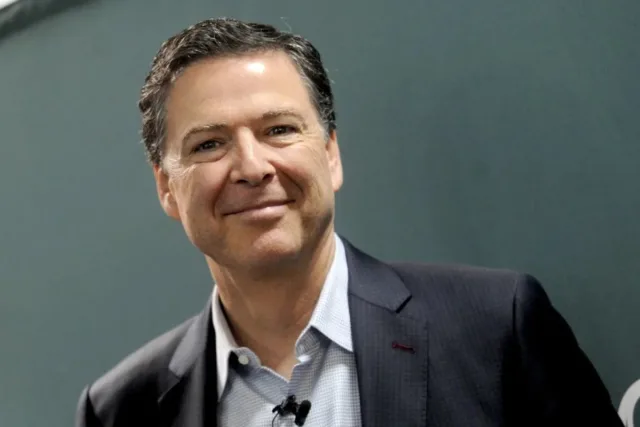
Conservative commentator Tucker Carlson claims that Israeli Prime Minister Benjamin Netanyahu is lobbying Donald Trump to authorize a nuclear strike on Iran.
- Headline: Tucker Carlson Claims Netanyahu Pressuring Trump for Iran Nuclear Strike
- Dispatch Summary: Conservative commentator Tucker Carlson claims that Israeli Prime Minister Benjamin Netanyahu is lobbying Donald Trump to authorize a nuclear strike on Iran.
- Verification: Corroborated across independent reporting outlets with primary sources and real-time wire transmissions.
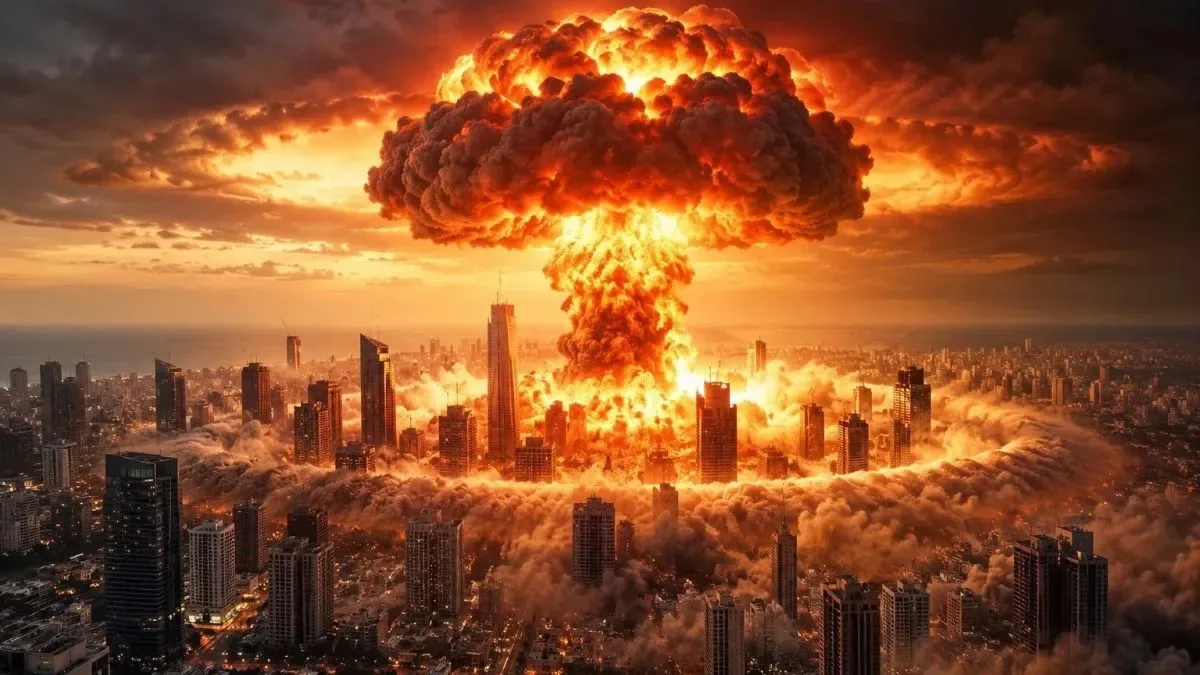
Millions of people face the immediate threat of radioactive fallout and regional devastation as conservative commentator Tucker Carlson warns that the United States could be days away from a nuclear strike on Iran. In a lengthy post on X on Sunday, Carlson alleged that Israeli Prime Minister Benjamin Netanyahu is relentlessly lobbying President Donald Trump to authorize the attack on Pickax Mountain, an alleged underground enrichment facility in central Iran. According to Carlson, the Trump administration could make its final decision by November 7.
That stark warning arrives as diplomatic tracks in Doha run parallel to covert military preparations reported across the region. Israeli broadcaster Kan reported that the United States has transferred 10 military cargo aircraft to Israeli airbases in the Naqab (Negev) desert and relocated a Patriot missile defence system from Texas to reinforce Gulf defences, though Washington has not confirmed these movements. Meanwhile, Axios reported that a possible week-long offensive could target Iranian leadership, nuclear facilities, energy sites, and infrastructure. Over the weekend, an Iranian delegation in Doha discussed reopening the Strait of Hormuz, while Iranian Foreign Minister Abbas Araqchi stated that Tehran remains prepared for both defence and diplomacy simultaneously. Supreme Leader Mojtaba Khamenei has ordered Iranian forces to respond immediately to any renewed attack without geographical restrictions, instructing commanders to expand their target list to include American and Israeli assets.
How close is Washington to a nuclear strike on Iran?
The timeline toward potential military action hinges on rapid political developments in Washington and Jerusalem, driven by Carlson's claim that a decision is expected within days. Trump himself added ambiguity during a campaign rally in Iowa, warning that the United States would eventually have to deliver a crushing blow to Iran if negotiations fail.
- February 2026: Supreme Leader Ayatollah Ali Khamenei and his family are killed, and the administration allegedly begins quietly rewriting American nuclear doctrine to make first use of battlefield nuclear weapons easier.
- September 27, 2026: Israeli Prime Minister Benjamin Netanyahu flies secretly to Abu Dhabi to enlist the United Arab Emirates in lobbying for a final attack on Iran, but Emirati officials refuse.
- October 2026: Out of approximately 850 global supertankers transporting oil, 11 are badly damaged in the Strait of Hormuz amid escalating conflict.
- October 26, 2026: A fighter jet operates aboard the USS George Washington aircraft carrier in CENTCOM operations.
- November 1, 2026: US Senator Roger Marshall speaks with President Donald Trump at a midterm campaign rally at Salina Regional Airport in Salina, Kansas.
- November 2, 2026: Tucker Carlson publishes his post on X claiming a nuclear strike on Pickax Mountain could occur by November 7.
Carlson asserted that no conventional weapon in the American arsenal can penetrate 300 feet of solid granite to destroy the tunnels at Pickax Mountain where Israeli intelligence claims uranium enrichment has restarted. Consequently, he argued that a nuclear strike is being pushed aggressively by Netanyahu, who reportedly calls Trump every day. This claim stands in sharp contrast to public reports from Axios that Trump favours allowing negotiations more time, supported by Vice President JD Vance and US envoy Steve Witkoff.
Trump is hesitating, caught between competing factions inside his administration. Secretary of Defense Pete Hegseth, CENTCOM commander Brad Cooper, Secretary of State Marco Rubio, and CIA director John Ratcliffe are reportedly following Netanyahu's lead in pushing to restart major combat operations, while mediators in Qatar attempt to salvage a diplomatic settlement.
What does Israel's political crisis have to do with the war drums?
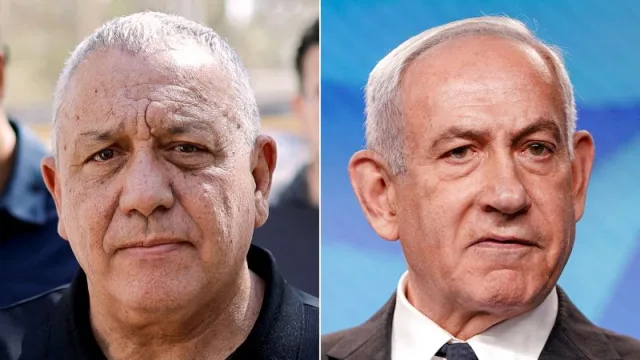
Netanyahu is described by Carlson as cornered and desperate following recent election results that left him unable to form a government without direct intervention from Trump to broker a deal for 61 seats in the Knesset. Without such intervention, Netanyahu faces ouster, ongoing investigations, and possibly jail, making a prolonged or intensified conflict a political necessity for his survival.
That domestic pressure explains why Netanyahu is reported by Axios to want strikes immediately after the US midterm elections, while a phone call between Trump and Netanyahu was described as tough by an Israeli source and direct by a US source. Israeli newspaper Yedioth Ahronoth reported that Israel has completed its own preparations for renewed military operations, leaving the final trigger entirely in Washington's hands.
The conflict has already strained global commerce and regional stability to a breaking point. Gulf economies are teetering after eight months of conflict, and energy and fertilizer markets face severe disruptions. In October alone, 11 supertankers were badly damaged in Hormuz, leading Carlson to warn that a global depression is imminent, which a nuclear strike would radically accelerate.
What are the catastrophic global consequences if a nuclear weapon is used?
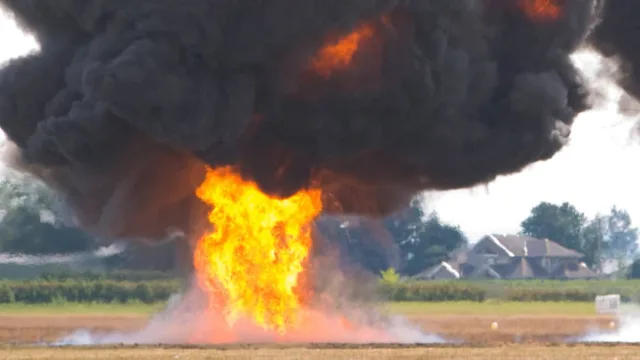
The environmental fallout from a ground explosion at Pickax Mountain would contaminate the Persian Gulf and poison the water supply for 100 million people, according to Carlson's assessment. Beyond the immediate regional catastrophe, the deployment of an American nuclear weapon would shatter a precedent, as no country other than the United States has used a nuclear weapon in war.
The geopolitical precedent would be immediate and severe. Carlson reported that Russia has already informed at least two other governments that an American nuclear strike on Iran would free Moscow to use nuclear weapons against Ukraine. Furthermore, Pakistan and India would be tempted to deploy nuclear arms against each other, North Korea could target Seoul, and global conflict would become nearly certain.
Amid these apocalyptic warnings, domestic political checks in the United States remain gridlocked. As detailed by AS USA, the 25th Amendment allows the Vice President and a majority of the principal officers of executive departments to declare a president unable to discharge the powers and duties of office, requiring a two-thirds vote in Congress if the president disputes it. However, lawmakers considering such extreme constitutional measures face a unified Republican defence of the president, making any such ouster exceedingly unlikely.
Who is trying to stop the escalation, and what happens next?
While hawks within Washington and Jerusalem press for military escalation, a diplomatic counterweight persists in Doha, where Qatari mediators continue working to bridge the gap between Washington and Tehran. Trump told reporters that negotiations were going fine even as he threatened a crushing blow, stating, Either they'll make a deal, or we'll just end it
.
Inside Iran, leadership is bracing for the worst while maintaining a dual track of defence and diplomacy. Abbas Araqchi confirmed that conditions for reopening the Strait of Hormuz are under discussion, but Iranian authorities remain deeply suspicious of Western decision-making. Carlson noted that elements of the Iranian government have grown more radical since the February killings of Ayatollah Ali Khamenei and his family, with many officials operating under the mistaken belief that Washington directly controls Israeli policy.
The immediate flashpoint remains November 7, the date Carlson identifies as the deadline for Trump's decision on whether to authorize a nuclear strike. With global markets teetering and regional actors locked into adversarial postures, Bibi calls Trump about it every day,
as an informed observer quoted by Carlson starkly illustrates the relentless pressure driving the world toward the brink.