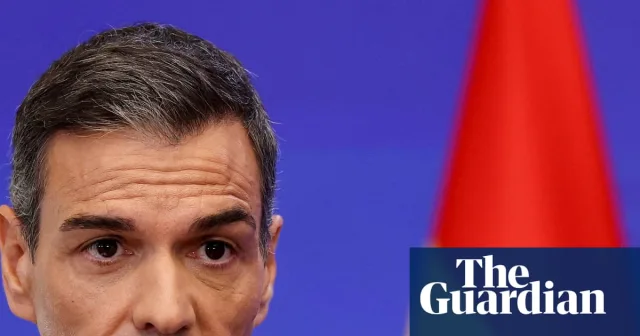
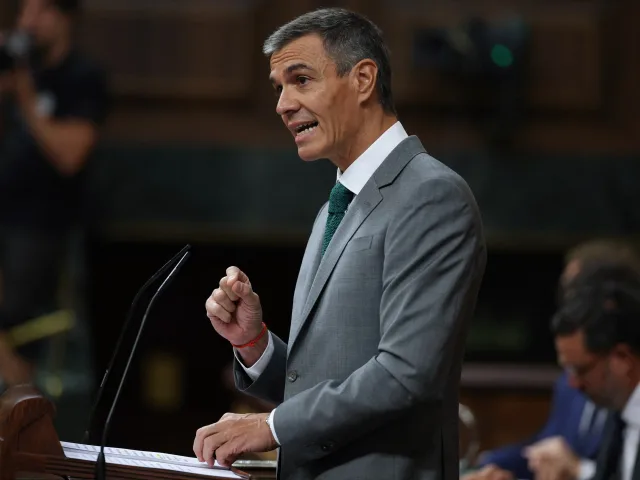
Spanish PM Sánchez calls snap general election for November 29
Spanish Prime Minister Pedro Sánchez has called a snap general election for November 29, 2026, following the parliamentary rejection of two housing decrees.
- Headline: Spanish PM Sánchez calls snap general election for November 29
- Dispatch Summary: Spanish Prime Minister Pedro Sánchez has called a snap general election for November 29, 2026, following the parliamentary rejection of two housing decrees.
- Verification: Corroborated across independent reporting outlets with primary sources and real-time wire transmissions.
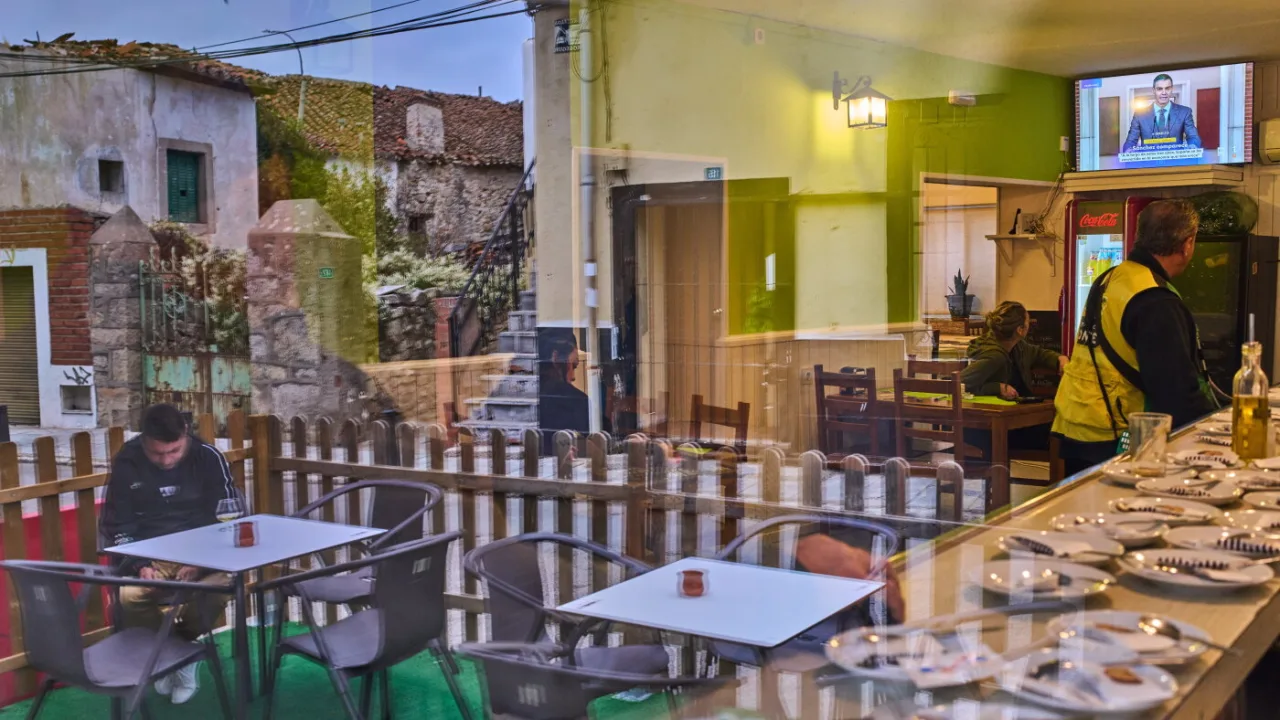
Spanish Prime Minister Pedro Sánchez has announced a snap general election for November 29, 2026, after his government suffered a parliamentary defeat over two housing decrees aimed at addressing the country’s worsening affordability crisis. The decision, made public on October 5, 2026, is a notable shift in Spain’s political trajectory, bringing forward a vote that was originally scheduled for 2027.
Snap Election Triggered by Housing Policy Failures
The immediate catalyst for the election was the rejection of two emergency housing decrees by Spain’s Congress of Deputies on October 2, 2026. The measures, which sought to protect vulnerable tenants from eviction, regulate rental markets, and stabilize housing contracts, were defeated by a narrow margin. The PP, Vox, and Catalan independence party Junts voted against the proposals, highlighting the fragmentation of Sánchez’s coalition government.
The defeats exposed the challenges of governing with a minority administration. Sánchez’s Socialist Party (PSOE) relies on support from the left-wing Sumar party and regional allies to pass legislation, a dynamic that has repeatedly stalled key reforms. The housing crisis, exacerbated by rising rents and a public backlash over the eviction of an 87-year-old Madrid resident, has intensified pressure on the government.
“The time has come for the Spanish people to decide what future you want for yourselves and for your country,” Sánchez stated in a televised address, framing the election as a choice between progressive policies and a potential right-wing shift. The announcement came after consultations with ministers and PSOE leaders, culminating in a formal request to King Felipe VI to dissolve Parliament.
Political Landscape and Electoral Implications
The November 29 election will test the viability of Sánchez’s coalition, which has struggled to balance progressive agendas with the demands of smaller parties. The PP, currently the largest opposition force, is positioned to capitalize on public discontent, while far-right Vox seeks to expand its influence. Recent polls suggest the PP could emerge as the top party, though it may require Vox’s support to form a government—a scenario that would mark the first far-right participation in a national administration since the end of the Franco era.
Key issues in the campaign will include housing policy, economic stability, and immigration. Sánchez has emphasized the need for a “broader progressive majority” to tackle inequality, while opposition leader Alberto Núñez Feijóo of the PP has positioned the vote as a referendum on ending Sánchez’s leadership. “These aren’t elections like the previous ones. This is about Spain beating Sánchez,” Feijóo declared.
The electoral timetable is tightly compressed. The dissolution decree is expected to be published in the Official State Gazette on October 6, 2026, triggering a 54-day campaign period. Candidate lists will be finalized by late October, with the formal campaign beginning in November. Voters will decide whether Sánchez retains control or cedes power to a right-leaning coalition.
Broader Context and Unanswered Questions
Sánchez’s leadership has been marked by both economic growth and political turbulence. His government has faced corruption investigations, a controversial 2025 electricity blackout, and criticism over pandemic restrictions. The housing crisis, however, has become the most immediate flashpoint, with protests erupting in cities like Madrid and Barcelona over unaffordable rents and evictions.
The election also raises questions about the role of foreign residents, particularly British citizens, who cannot vote in national elections despite being affected by policy decisions. Meanwhile, the outcome could reshape Spain’s political alignment, with the potential for a PP-Vox alliance to redefine the country’s ideological balance.
| Detail | Information |
|---|---|
| Election Date | November 29, 2026 |
| Triggering Event | Rejection of two housing decrees by Congress on October 2, 2026 |
| Current Government | PSOE-led coalition with Sumar and regional allies |
| Opposition Parties | Popular Party (PP), Vox, Junts |
| Key Campaign Issues | Housing affordability, economic stability, immigration |
Frequently Asked Questions
When will the election take place?
The Spanish general election is scheduled for November 29, 2026, eight to nine months earlier than the originally planned 2027 date.
What caused the snap election?
The election was triggered by the rejection of two housing-related decrees by opposition parties in Congress, which exposed the fragility of Sánchez’s coalition government.
What are the potential outcomes?
The PP is expected to lead in polls, but a right-wing alliance with Vox could reshape Spain’s political landscape. Sánchez faces pressure to secure a stronger mandate to advance progressive policies.
The election campaign will unfold against a backdrop of economic uncertainty and social unrest, with voters poised to determine Spain’s direction. As parties prepare for a compressed timeline, the November vote could redefine the country’s political identity for years to come.
How significant is this wire dispatch?
Cast your anonymous vote to register reader consensus across journalism and intelligence sectors.
Dateline Wire is dedicated to independent, evidence-backed reporting. This briefing was synthesized from primary source reporting, corroborated across independent newsrooms, and verified against our Editorial Standards.