Nvidia Stops Shipping AI Chips to China Despite US Approval
Nvidia has stopped shipping its licensed Hopper data center products to China, reversing course despite receiving prior White House approval.

End of an Era for Hopper Exports
Nvidia has stopped sending its advanced AI chips to China, despite the approval it received from the White House to do so in December last year. Interim Nvidia CEO Colette Kress confirmed the decision during an earnings call on Tuesday, revealing that the company sold $2.4 billion worth of licensed Hopper data center products to China in Q3. That commercial pipeline, however, has been shut off. Our guidance does not have any licensed Hopper data center products included, and we are no longer shipping licenced Hopper data center products to China,
Kress said.
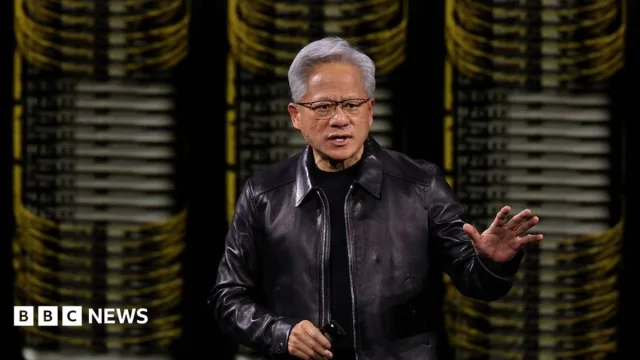
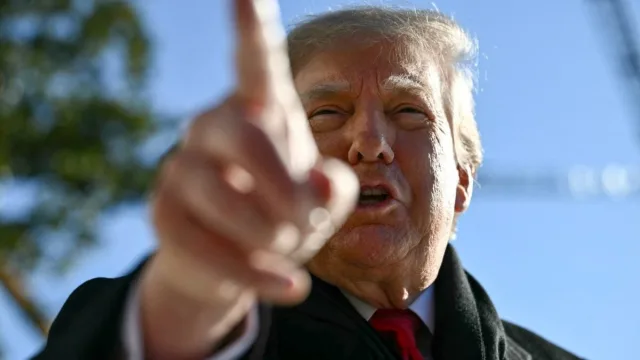
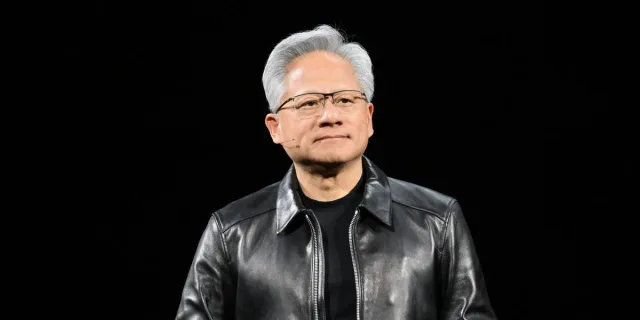
The sudden pivot represents a stark reversal for the world's leading artificial intelligence chip supplier. Under former CEO Jensen Huang, Nvidia fought for the right to ship its powerful Hopper architecture H200 chips to China. President Donald Trump eased restrictions on Nvidia’s H200 AI chips following a summit with Chinese President Xi Jinping last year, allowing exports to approved Chinese customers under strict licensing conditions. Nvidia had also pushed the US government for permission sell advanced Blackwell chips to China, though the Trump administration never acquiesced to that request.
Those permissions have now been impacted by a compounding series of leadership upheavals and shifting geopolitical friction. Huang stepped down from his position as Nvidia CEO last week following reports of multiple extramarital affairs, one with a woman who was suspected by US intelligence to be a Chinese spy and possibly helping smuggle chips to China. Nvidia already faced difficulties around offloading the AI chips prior to this scandal however. Concerns were raised about failings to properly vet Chinese companies that were approved to handle the H200 AI chips. Reuters also reported earlier this month that around 600,000 H200 chips were stuck in Hong Kong after Beijing withheld approval for large-scale imports, with China seeking to reduce its dependency on US technology.
Geopolitical Pressures and Boardroom Adjustments
The abrupt halt to Chinese sales arrives as the Trump administration is tightening restrictions on processor exports amid concerns over national security risks. On Monday, the Trump administration moved to apply more scrutiny to exports of processors to several countries and limit any chip sales abroad when the data center buying them plans to provide Chinese companies remote access to advanced AI chips and servers.
In response, NVIDIA also announced plans to form a board committee focused on national security and export controls. Harvey Jones, NVIDIA's newly appointed chair, addressed investors on Tuesday. The company on Tuesday boosted its sales forecast for next year and vowed to improve Nvidia’s access to critical supplies, while tamping down speculation that Huang might return.
The convergence of export restrictions, foreign import blocks, and severe executive scandal has permanently closed the chapter on Nvidia's direct trade of high-end data center hardware with China. For global investors and supply chain operators, the immediate focus shifts to how the semiconductor giant will reallocate billions of dollars in manufacturing capacity previously dedicated to the region, and whether the newly formed national security committee will vet all future international licensing agreements.