Spanish prime minister Pedro Sánchez calls snap election after mass prot…
Spanish Prime Minister Pedro Sánchez has called a snap general election for November 29 following parliament's rejection of housing relief measures.
- Headline: Spanish prime minister Pedro Sánchez calls snap election after mass prot…
- Dispatch Summary: Spanish Prime Minister Pedro Sánchez has called a snap general election for November 29 following parliament's rejection of housing relief measures.
- Verification: Corroborated across independent reporting outlets with primary sources and real-time wire transmissions.
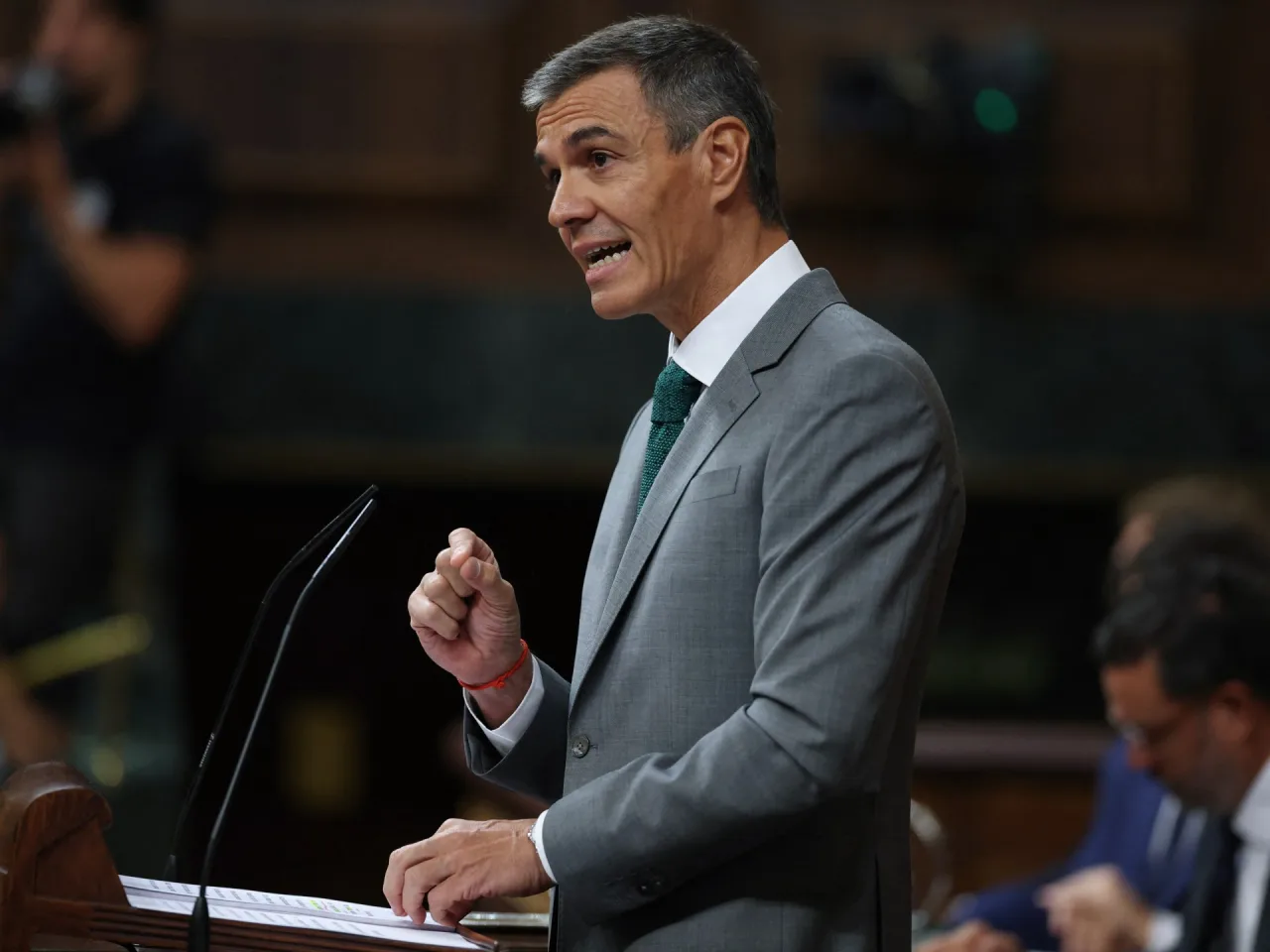
Spanish Prime Minister Pedro Sánchez has called a snap general election for November 29, marking a dramatic escalation in political tensions following the rejection of housing relief measures by parliament and widespread public protests. The move, announced on October 5, 2026, follows weeks of escalating anger over the eviction of an 87-year-old Madrid pensioner and a broader crisis in housing affordability that has left millions struggling to access stable shelter.
The Election Announcement and Immediate Context
Sánchez’s decision to hold the election came just days after right-wing opposition parties blocked two emergency housing decrees aimed at curbing evictions and speculative real estate practices. The measures, which included automatic tenant contract renewals and restrictions on rent hikes, were defeated in a parliamentary vote on October 3. The rejection triggered mass demonstrations across Spain, with over 70,000 people gathering in Madrid on October 4 to demand action on the housing crisis.
The immediate catalyst for the election call was the eviction of Marai del Carmen Abascal, an 87-year-old woman who was removed from her Madrid home of 70 years after an international investment fund purchased her building and sought to increase her rent by 275%. The incident, which was widely broadcast, became a symbol of the systemic failures in Spain’s housing market. Protests erupted nationwide, with demonstrators clashing with police in cities like Valencia and Barcelona.
The Housing Crisis and Public Outcry
Spain’s housing crisis has been exacerbated by decades of underinvestment in social housing and a surge in short-term rentals. According to data from the Organisation for Economic Co-operation and Development (OECD), social housing constitutes less than 2% of the country’s total stock. Meanwhile, the average rental price per square metre in Spain has nearly doubled over the past decade, reaching 15.10 euros ($24.62) in August 2026, as reported by real estate portal Idealista. The Bank of Spain estimates a shortfall of 700,000 homes, driven by a gap between demand and new construction.
Sánchez’s government had proposed measures to address these issues, including restrictions on evictions for vulnerable tenants and caps on rent increases. However, opposition parties, including the conservative People’s Party (PP) and far-right Vox, rejected the proposals, arguing they would undermine property rights. The defeat of the housing decrees, which Sánchez described as a “blow to the most vulnerable,” intensified public frustration and fueled calls for his resignation.
| Detail | Information |
|---|---|
| Housing Shortfall | 700,000 homes missing, according to the Bank of Spain |
| Social Housing Share | Less than 2% of total housing stock, OECD data |
| Rental Price Increase | Almost doubled over the past decade, 15.10 euros per square metre in August 2026 |
| Protesters in Madrid | Over 70,000 participants on October 4 |
Political Context and Risks for Sánchez
Sánchez’s decision to call an early election is a high-stakes gamble. His Socialist Party has struggled in opinion polls, with approval ratings hovering around 26-31% throughout his tenure. The move comes as far-right parties, including Vox, gain momentum across Europe, and a potential coalition of the PP and Vox threatens to bring a far-right government to power for the first time since the end of Francisco Franco’s dictatorship.
In his address to the nation, Sánchez framed the election as a choice between “regressing” under a “far-right coalition” or “keeping moving forward” with his progressive policies. He emphasized issues such as climate change, AI-driven disruption, and Spain’s role in global multilateralism, while also acknowledging his government’s failures. “We need to renew people’s support,” he said, admitting to “making mistakes and falling short of campaign promises.”
However, analysts caution that Sánchez’s strategy may backfire. His minority government has faced repeated legislative deadlocks, and the rejection of the housing measures has exposed the fragility of his alliances. The Socialist Party’s reliance on fragile coalitions, including support from far-left and separatist factions, has limited its ability to pass major legislation in its third term. Critics argue that the election could further fragment Spain’s political landscape, leaving the country vulnerable to instability.
Frequently Asked Questions
When will the election take place?
The snap election is scheduled for November 29, 2026, the earliest possible date under Spain’s procedural rules.
What triggered the election call?
The rejection of housing relief measures by parliament and mass protests over the eviction of an 87-year-old woman in Madrid. The government’s defeat on October 3, 2026, was the immediate catalyst.
What are the potential outcomes?
Opinion polls suggest a conservative coalition led by the People’s Party (PP) and far-right Vox is the most likely winner. A victory for this alliance would mark the first far-right government in Spain since the return of democracy in 1975.
The election campaign will now focus on Spain’s housing crisis, economic stability, and the broader ideological shift toward the right across Europe. With the vote just over a month away, Sánchez’s ability to rally support amid a fractured political landscape remains uncertain. Meanwhile, the fate of the 700,000 homes missing from Spain’s stock and the 87-year-old woman’s eviction will continue to shape the narrative as voters prepare to decide the country’s future.
How significant is this wire dispatch?
Cast your anonymous vote to register reader consensus across journalism and intelligence sectors.
Dateline Wire is dedicated to independent, evidence-backed reporting. This briefing was synthesized from primary source reporting, corroborated across independent newsrooms, and verified against our Editorial Standards.