Norway plans temporary ban on smart glasses in some public places
The Norwegian government is seeking a temporary ban on camera-equipped smart glasses in high-privacy zones, including healthcare facilities and schools, to prevent unauthorized filming.
Amara Diallo. (2026, October 5). Norway plans temporary ban on smart glasses in some public places. Dateline Wire. https://www.datelinewire.com/world/norway-smart-glasses-ban/
@article{datelinewire863,
  author  = "Amara Diallo",\n  title   = "Norway plans temporary ban on smart glasses in some public places",\n  journal = "Dateline Wire",\n  year    = 2026,\n  url     = "https://www.datelinewire.com/world/norway-smart-glasses-ban/"\n}
[Norway plans temporary ban on smart glasses in some public places](https://www.datelinewire.com/world/norway-smart-glasses-ban/) — *Dateline Wire* (2026). Corroborated multi-source report.
Headline: Norway plans temporary ban on smart glasses in some public places
Dispatch Summary: The Norwegian government is seeking a temporary ban on camera-equipped smart glasses in high-privacy zones, including healthcare facilities and schools, to prevent unauthorized filming.
Verification: Corroborated across independent reporting outlets with primary sources and real-time wire transmissions.
Norway is moving to restrict the use of camera-equipped smart glasses in various public settings, citing the risk that individuals may be filmed or audio-recorded without their knowledge. The proposal, announced on October 5, 2026, seeks a temporary ban to allow the government to assess the technology before establishing permanent national rules.
Torgeir Micaelsen, Norway’s minister of digital affairs and public governance, expressed concern regarding the introduction of powerful technology that allows for monitoring in situations where people are accustomed to privacy.
"We do not want a society where people worry about being recorded without their knowledge, photographed or filmed in places and situations where they are accustomed to not being monitored,"
Video: RERIGHT · Norway to propose temporary ban on AI glasses in some public — reright (YouTube)Torgeir Micaelsen, Minister of Digital Affairs, via The Guardian
Proposed Restricted Zones and Exemptions
The Norwegian government has identified several categories of locations where the ban could apply. A primary focus is placed on environments where children congregate and spaces where privacy is considered essential, such as showers and changing rooms.
Category
Proposed Restricted Locations
High-Privacy/Child Zones
Schools, daycare centres, kindergartens, playgrounds, youth clubs, healthcare facilities, and gyms (specifically changing rooms and showers)
General Public Spaces
Parks, beaches, museums, shopping centres, and public events (including sporting events and concerts)
Authorities clarified that the measure is not a blanket prohibition on "wearable technology" or smart glasses. Private use remains permitted, and the government is considering exceptions for vulnerable groups to allow for "socially beneficial uses" of the devices.
International Precedents and Privacy Disputes
The move follows a growing international patchwork of restrictions. In the United Kingdom, cinema chains introduced policies in August to restrict smart glasses over privacy and film piracy concerns. Similarly, pub chain Wetherspoons and restaurateur Jeremy King have stated they do not want these devices used in their establishments. Courtrooms in both the UK and US have already implemented restrictions.
The proposal also arrives amid reports of misuse in France. The child welfare group E-enfance reported receiving approximately 20 reports this year of women being filmed without consent, mostly using Meta smart glasses. These clips were often posted to social media as "pranks" or "street interviews," leading the Paris public prosecutor to open an investigation into cases involving mockery and hateful messages.
In the United States, efforts to regulate the technology have faced legislative hurdles. Last week, California Governor Gavin Newsom vetoed a bill that would have penalized the use of smart glasses to record people without permission in private spaces like doctors' offices and changing rooms, noting that existing laws already govern unlawful recording.
Meta's Technical Defenses and Market Reach
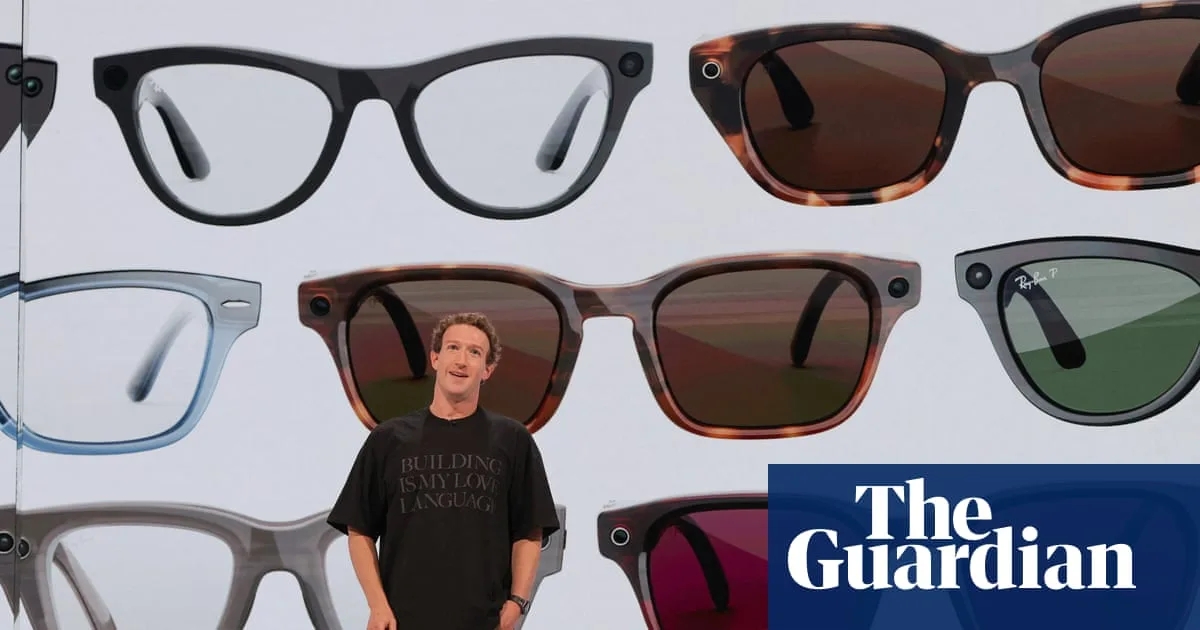
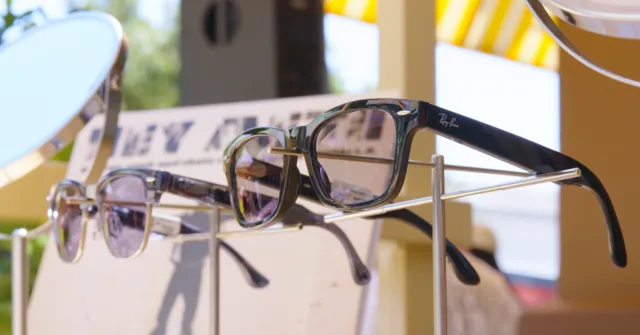
Meta, which sells AI-enabled Ray-Ban and Oakley glasses, has seen significant adoption of the technology, selling at least 9 million Ray-Ban versions since the start of 2023. The devices allow users to execute AI prompts, make calls, and record media.
In response to privacy concerns, Meta maintains that its hardware includes a built-in safeguard: a tamper-proof LED light that blinks white during recording. A Meta spokesperson stated that this light cannot be turned off and that the camera is disabled if the light is covered or tampered with, a feature the company claims smartphones do not possess.
Frequently Asked Questions
Is the ban on smart glasses already law in Norway?
No. The measure is currently a proposal. The Labour-led minority government plans to submit a bill to the Storting (parliament) as soon as possible, but it requires support from other parties to pass.
Does the proposal ban smart glasses entirely?
No. The government has specified that it is not proposing a total ban. Private use is still allowed, and the restrictions are targeted at specific public venues where privacy is particularly important.
The immediate future of the proposal depends on the parliamentary process in the Storting and the subsequent findings of the government's appointed expert group, which will determine the final device types and enforcement mechanisms for permanent regulation.
📊 WIRE CONSENSUS PULSE
How significant is this wire dispatch?
Cast your anonymous vote to register reader consensus across journalism and intelligence sectors.
Dateline Wire is dedicated to independent, evidence-backed reporting. This briefing was synthesized from primary source reporting, corroborated across independent newsrooms, and verified against our Editorial Standards.
Amara Diallo edits World coverage for Dateline Wire. Her section reconciles international reporting from wire services, regional press and official statements into single verified accounts — tracking what each newsroom adds to a story, where their accounts diverge, and which claims come from governments rather than independent reporting. Amara maintains the desk's source-role taxonomy, which labels every source in an article's corpus as wire service, official statement, regional press or specialist outlet, so readers can see the basis of each claim. She pays particular attention to conflicts and humanitarian crises, where casualty figures are attributed to their counting authority, never averaged. Contact: [email protected].