Meta launches standalone Direct messaging app for Instagram in test markets
Meta is testing a standalone Instagram Direct messaging app in select regions, allowing users to chat without an Instagram account.
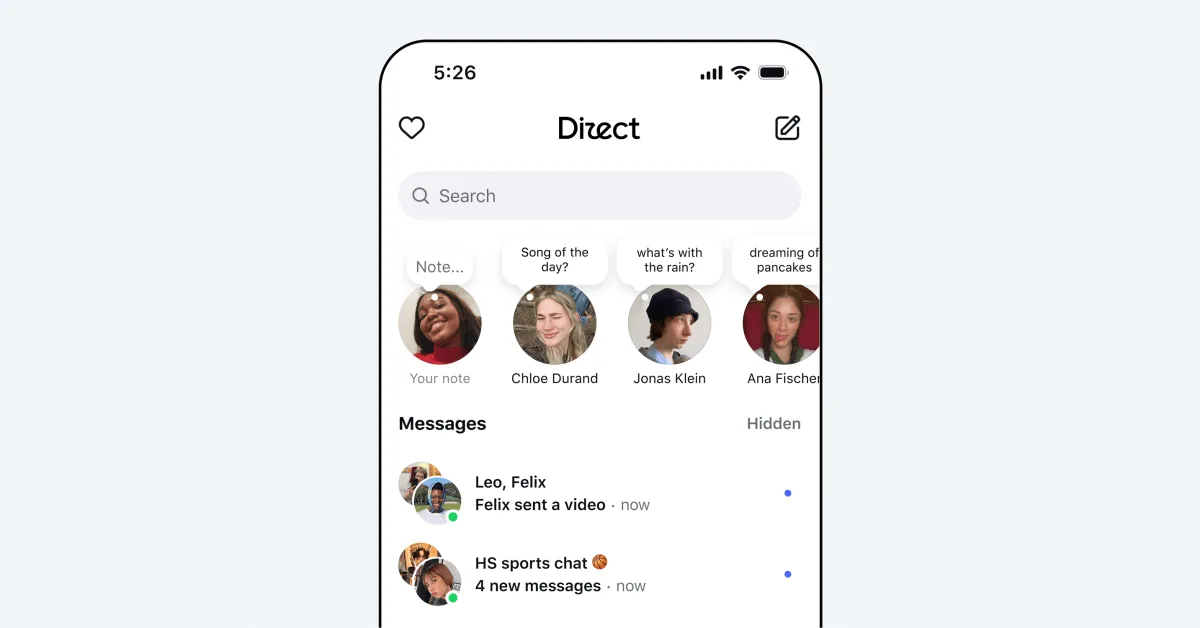
Meta has begun testing a standalone messaging application named Direct, a move that signals a significant shift in how the company manages the social ecosystem of Instagram. Currently available only to users in Turkey and Thailand on Android and iOS, the app allows individuals to participate in one-on-one and group messaging without ever maintaining an Instagram account. While the app mirrors the existing direct messaging interface found within the main Instagram platform, its existence marks a strategic pivot for Meta, which has previously consolidated messaging features to drive engagement.
What does it mean to decouple messaging from social media?
The core proposition of the Direct app is simplicity: users can sign up using only an email address or a mobile phone number. For those who choose to log in with existing Instagram credentials, their conversations sync across both the main app and the new, dedicated messenger. For those who do not link an Instagram account, the experience is more manual; these users must add contacts by entering their usernames or scanning QR codes, and they are restricted from initiating conversations with others. According to Meta, only your contacts and people you’re already connected to can start a chat with you or add you to a group on Direct, a safety measure that limits the app's functionality to existing social circles.
By launching a standalone messenger, Meta appears to be addressing a specific subset of users who find the main Instagram interface cluttered or unnecessary. For these users, the value lies entirely in the inbox. By allowing them to remain active within the Meta ecosystem without being forced to engage with the main platform's photo-sharing or algorithmic feeds, the company potentially protects its user base from moving to third-party messaging services. This strategy keeps these users reachable and measurable under the Meta corporate umbrella.
Are the feature sets enough to justify a second app?
The Direct app attempts to entice users with a suite of personalization tools that go beyond basic text exchange. The platform includes features such as the ability to doodle or draw directly within chat threads, the use of custom stickers, personalized chat backgrounds, and sound effects for voice replies. Furthermore, it incorporates Notes — short status updates that appear at the top of an inbox — to maintain the social connectivity associated with the Instagram brand.
The functionality is clearly aimed at a younger demographic and those who prioritize quick-fire, interactive communication. Yet, the limitation on initiating conversations for users without Instagram accounts creates a significant friction point. Because these users cannot "cold message" others, the app effectively functions as an extension of one's existing contact list rather than a tool for discovery. This makes the utility of the app heavily dependent on whether one’s friends also decide to adopt the secondary, standalone interface.
Who is safe, and how does parental supervision function?
Safety is a primary pillar of the rollout, particularly for younger users. The app is restricted to users aged 13 and older and features built-in supervision tools. Parents gain the ability to monitor which accounts their teenagers are messaging, adjust various safety settings, and impose daily usage limits. For teens who choose to log in with their existing Instagram username and password, all messaging restrictions inherent to Instagram’s Teen Accounts are applied automatically.
Meta has also stated that it will use its age-estimation technology to identify and address potentially inappropriate interactions, though the company has remained vague regarding the specific technical mechanisms of this detection. By importing these safeguards into a standalone environment, Meta aims to satisfy regulatory scrutiny regarding the safety of minors on its platforms, ensuring that the move toward a simplified app does not come at the cost of oversight.
Will this eventually cannibalize WhatsApp?
The introduction of Direct raises an obvious question regarding Meta’s internal competition. Meta already owns WhatsApp, which the standalone Direct app could potentially compete with. By creating an Instagram-branded messenger that functions independently, Meta risks creating overlap in countries where WhatsApp is already the primary communication tool.
However, the current design suggests a deliberate effort to avoid direct competition. Because Direct is tethered to the Instagram social graph, relying on Instagram usernames or existing contacts for identity, it acts as an siloed network rather than a universal messaging utility like WhatsApp. The decision to keep the test geographically limited to Turkey and Thailand suggests that Meta is monitoring whether this app captures a distinct user segment that prefers Instagram-centric interactions, or if it merely shifts existing usage from one Meta property to another.
Ultimately, the long-term success of the project hinges on whether the convenience of a lighter app outweighs the requirement of a secondary installation. Meta did not say when or if it will bring Direct to additional countries. Whether this app becomes a permanent fixture of the Meta portfolio or joins the company's historical list of experimental spinoffs remains unknown, and the answer will likely determine how the company balances its goal of total connectivity with the realities of app fatigue.