Lindsay Clancy Retrial Scheduled for March 2027 in Children Deaths
A judge has scheduled Lindsay Clancy's retrial for March 2027 after her initial murder trial ended in a hung jury amid postpartum psychosis claims.
Lindsay Clancy Retrial Scheduled for March 2027 in Children Deaths
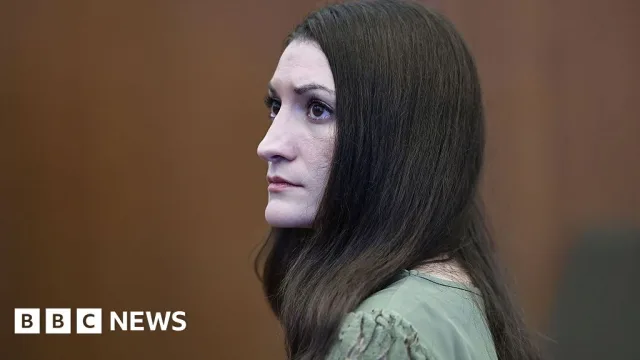
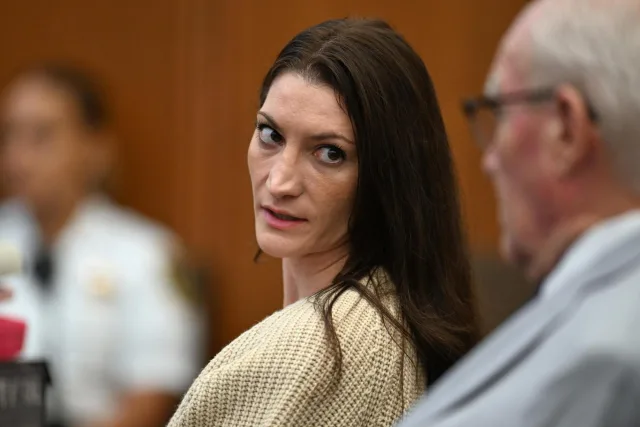
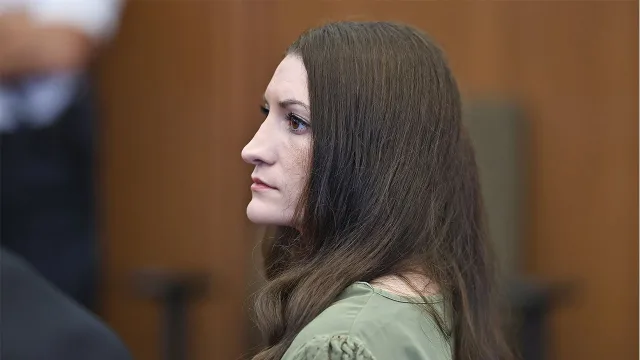
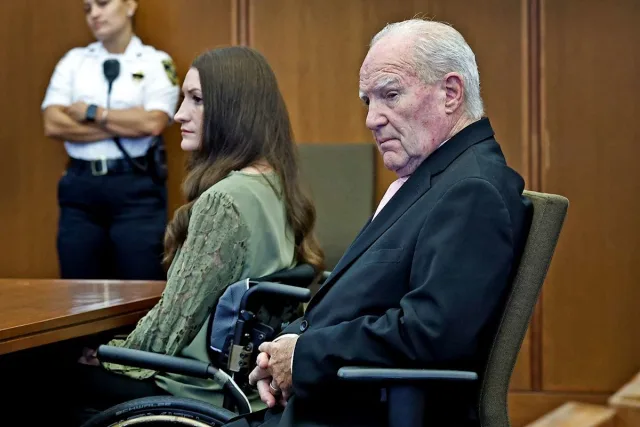
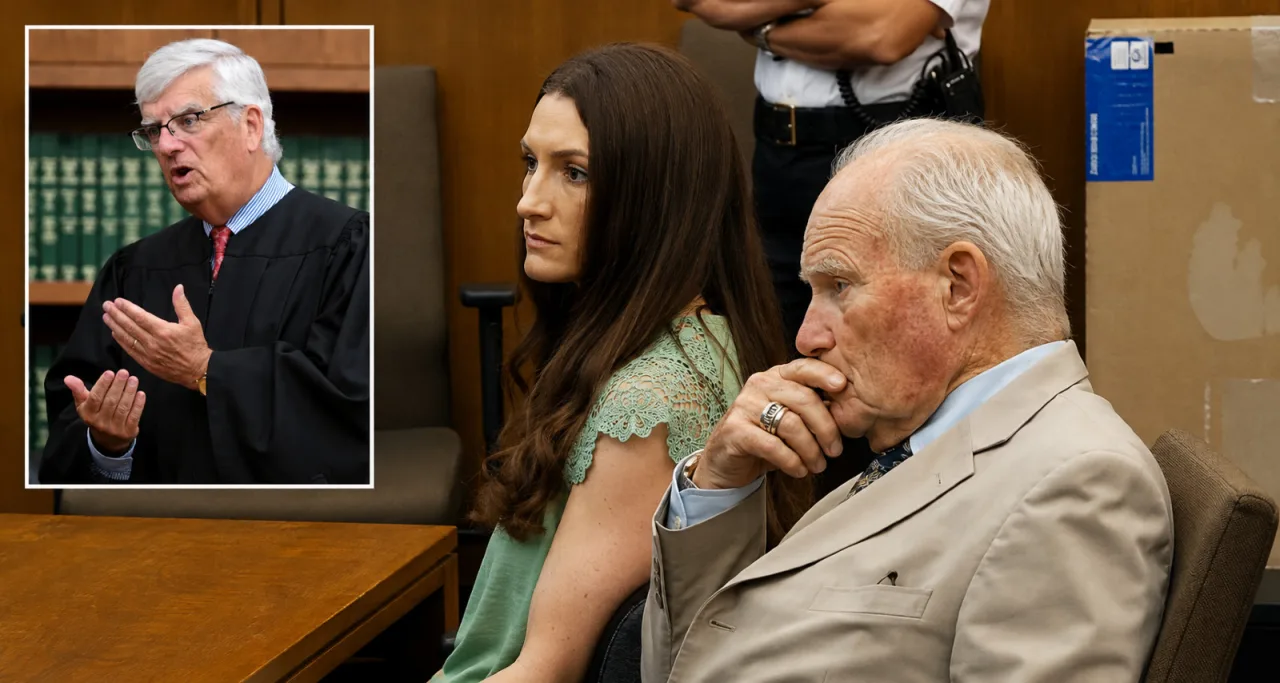
Lindsay Clancy will face a second jury trial starting March 29, 2027, for the deaths of her three young children, a decision handed down Monday by Plymouth Superior Court Judge William Sullivan in Plymouth superior court. The scheduling follows the collapse of her initial murder trial on September 4, 2026, when a jury deadlocked after seven days of deliberations. Clancy, 36, is a former labor and delivery nurse.
The victims were five-year-old Cora, three-year-old Dawson, and eight-month-old Callan. The children were strangled at the family home on January 24, 2023. It was not disputed at Clancy's first trial that she strangled the children with exercise bands in the basement of the family home in the Boston suburb of Duxbury, after having asked her now-ex husband, Patrick Clancy, to leave the house to pick up takeout food and children's medicine shortly before the children were attacked. While the defense has never contested that Clancy strangled her children, they maintain that she was suffering from postpartum psychosis at the themed, rendering her legally irresponsible. Prosecutors, however, contend that the mother planned the killings and understood what she was doing.
The Shadow of First-Degree Murder Charges and Legal Strategy
During Monday’s status conference, Assistant District Attorney Jennifer Sprague did not officially modify the charges, but she signaled that the Commonwealth would proceed with a jury trial. Given what the charges are, it requires a jury,
Sprague told the court. In Massachusetts, first-degree murder cases must be tried by a jury, whereas certain lesser offenses permit trial before a judge alone. Clancy was charged in the first trial with three counts of first degree murder, which is the intentional and premeditated killing of another person. The district attorney has not yet officially said he will proceed with first-degree murder charges, and the BBC has contacted the district attorney's office for comment. The prosecution could choose to bring lesser charges against Clancy, such as second-degree-murder, which applies to unlawful killings committed with malice or extreme recklessness, but without planning.
Clancy’s defense attorney, Kevin Reddington, interpreted the statement as a clear indication that prosecutors intend to maintain the initial first-degree murder indictments. I think you can read between the lines that when they say that the case is going to require a jury, that it's an indirect comment from the DA [district attorney] that they intend to proceed on first-degree murder indictments, so we will pick a trial date,
Reddington said at Monday's hearing, noting it serves as an indirect announcement of the state’s intent. If convicted of first-degree murder, Clancy faces a mandatory sentence of life imprisonment without the possibility of parole. Plymouth County District Attorney Tim Cruz holds the ultimate authority over how Clancy is charged the second time around. Prosecutors are currently holding firm on their position, despite the fact that 11 jurors in the first trial favored acquittal based on a lack of criminal responsibility, while only one juror dissented.
Why the Judge Rejected Double Jeopardy and Juror Inquiry Motions
Following the September mistrial, Clancy’s defense team filed motions arguing that a retrial would violate her constitutional protections against double jeopardy. Judge Sullivan rejected this request last week, ruling that the jury's inability to reach a unanimous verdict justified the mistrial and allowed the state to proceed with a new prosecution. Double jeopardy is a legal principle that protects someone from being prosecuted more than once for the same crime after an acquittal or conviction. The court also denied a request to conduct an inquiry into the lone holdout juror who refused to join the majority in finding Clancy not guilty by reason of mental health problems. Clancy’s lawyers had argued that the judge should have investigated or removed the lone juror who opposed acquittal before declaring a mistrial.
In his November 9, 2026, ruling, Sullivan wrote that questioning the holdout juror mid-deliberations could have pressured the juror to change his stance. The Court’s primary concern must be protecting the fairness of the proceedings and avoiding the possibility of a coerced verdict,
the judge wrote. Before declaring the mistrial, the jury foreperson handed the judge a note stating that the holdout juror was unable to follow the instructions regarding reasonable doubt. The holdout juror, Michael P. Desronvil, publicly maintained his belief that Clancy was guilty in a September 28, 2026, interview, stating, I know the whole focus has been on me, but we want to reel the whole thing back and put the focus on the three angels [Clancy’s three children],
adding, [They] are the ones who can’t speak for themselves. The ones that can’t defend themselves. The ones that can’t fight their own battles.
A Race Against the Judge's Retirement
The upcoming proceedings are set against a backdrop where Judge Sullivan is required to retire in June 2027. During Monday’s hearing, he expressed urgency in resolving the matter, referencing Shakespearean themes as he navigated disputes between counsel over the calendar. Prosecutors sought a May trial date citing other cases on the docket and scheduling conflicts, but Sullivan selected March despite scheduling objections, prioritizing resolution before his anticipated mandatory retirement. Reddington had been pushing for an April date, while the judge opted for March.
The retrial is expected to again focus on the boundary between severe psychiatric illness and the legal standards for criminal responsibility. Throughout the first trial, the defense argued that Clancy heard a voice commanding her to kill her children, a symptom they attributed to postpartum psychosis. Clancy is currently in a state-run psychiatric hospital and medical facility in Massachusetts. Before the retrial was officially declared, defense attorney Rosemary Scapicchio told CBS News that Clancy was dreading the possibility of a second trial, noting she has been on suicide watch since her children's deaths and stating, She wants to be with her children. … And if given the opportunity, I have no doubt in my mind at all that she would take her own life.
The prosecution maintains that such arguments are a strategy to deflect from premeditated actions. This case is not about our mental health system or how it treats women,
Sprague said in her closing statement during the first trial. That’s a distraction to get you angry and passionate about an important issue, but an issue that’s not on trial here.
If you or someone you know may be considering suicide or be in crisis, call or text 988 to reach the 988 Suicide & Crisis Lifeline. Call or text the National Maternal Mental Health Hotline at 833-852-6262 for free, confidential support, available 24/7 in the U.S.
Legal teams are scheduled to return to court on December 30, 2026, at 9am for further discussions regarding trial logistics, including security and media arrangements. A subsequent pre-trial conference is set for February 18, 2027. While the defense intends to appeal the judge’s double-jeopardy ruling, they have stated this will not delay the scheduled retrial.
Updated 2 times since publication; last update 17 November 2026, 13:34.