US loses measles elimination status amid worst outbreak in 26 years
The Pan American Health Organization has confirmed that measles is once again endemic in the United States, ending a 26-year elimination period amid surging cases and falling vaccination rates.

US loses measles elimination status amid worst outbreak in 26 years
The United States has officially lost its measles elimination status, marking a historic and painful retreat in public health. On Tuesday, the Pan American Health Organization (PAHO) confirmed that the virus is once again endemic in the U.S., a designation issued after federal health officials documented that a single virus strain has circulated uninterrupted across the country for at least 12 months. This reversal ends a 26-year period of elimination that began in 2000, rendering the U.S. unable to contain the infectious disease as it did for more than two decades.
The scale of this public health failure is captured by the rising toll of the current crisis: the U.S. has recorded more than 5,400 measles cases so far this year. This figure, which is already double the 2,242 cases reported in 2025, represents the highest annual case count in the country since 1991. The surge has resulted in hundreds of hospitalizations and 10 measles-associated deaths this year, including at least five children, according to figures released by the Centers for Disease Control and Prevention (CDC) and regional health reports.
PAHO designation and the roots of transmission
Measles elimination status is an official designation granted by the Pan American Health Organization, a regional branch of the World Health Organization. It signifies that a country has successfully interrupted the local, continuous transmission of the measles virus for at least 12 months. When a nation loses this status, it indicates that the disease is considered endemic, meaning it is now circulating within the population rather than being merely imported by travelers.
The loss of this status is not merely a bureaucratic reclassification; it is a direct consequence of shifting immunity levels in the population. While the U.S. historically maintained high vaccination coverage, recent years have seen childhood vaccination rates decline, leaving gaps that allow the virus to establish persistent chains of transmission. PAHO confirmed that the same virus strain, first recorded in west Texas on Jan. 20, 2025, served as the primary indicator for the re-establishment of endemic measles. The organization simultaneously stripped Bolivia and Mexico of their elimination status.
The political climate surrounding federal health oversight has complicated the response to these outbreaks. Throughout the last two years, President Donald Trump and Health and Human Services Secretary Robert F. Kennedy Jr. have frequently expressed skepticism regarding vaccination. Kennedy has specifically advocated for separating the measles, mumps, and rubella (MMR) vaccine, suggesting without evidence that together, there could be a possibility they’re quite lethal. Meanwhile, the administration has framed the decline in vaccination as a long-standing issue and noted that other nations have also struggled with measles, an argument that has drawn sharp criticism from public health experts who emphasize that domestic policy choices have tangible consequences for infectious disease control.
From a medical triumph to a preventable tragedy
The return of endemic measles is a devastating outcome for those who rely on population-wide immunity, including infants, pregnant women, and individuals with compromised immune systems. For the millions of Americans living in areas where vaccination rates have slipped below the required 95% threshold, the protection previously afforded by their neighbors has significantly weakened. Experts note that when outbreaks occurred during the years of elimination, such as the 2015 incident at Disneyland or the 2018-19 outbreak in New York, they were often contained by targeted public health interventions. Today, however, the sheer volume of transmission across 45 states and Washington, D.C., has overwhelmed the capacity of local departments to snuff out new clusters before they metastasize.
The impact is being felt acutely in cities and rural communities alike. In Pennsylvania, the state most affected this year, officials reported more than 1,500 cases and seven deaths associated with the disease. In Wisconsin, two children have died, and New York reported its first measles-related death in over 30 years. Dr. William Schaffner, a professor of preventive medicine at Vanderbilt University Medical Center, described the situation as profoundly sad and disappointing and noted that these infections and deaths were completely preventable. The clinical reality of the disease is also severe; while many recover, patients face risks of pneumonia, dehydration, and encephalitis, as well as the long-term potential for immune suppression, which can leave children vulnerable to other secondary infections.
The federal government has provided $100 million in funding over two tranches to support state-level responses, yet local health officials argue this is insufficient to combat a nationwide surge of this magnitude. Dr. Erica Schwartz, the director of the CDC, maintained that the focus remains on stopping active outbreaks and that vaccination remains the primary tool for protection, stating, The measles elimination designation is not what protects Americans. Vaccination does. We know where transmission is occurring and we’ve invested $100 million in state and local health departments to reach those communities.
However, observers such as Noel Brewer, a behavioral scientist at the University of North Carolina at Chapel Hill, point to a lack of vocal, high-level leadership. Brewer, who chaired the committee that evaluated data for PAHO’s decision, warned that the federal response has been ho-hum, and that without consistent messaging from the top, vaccination programs will continue to falter.
Consequences for public health infrastructure
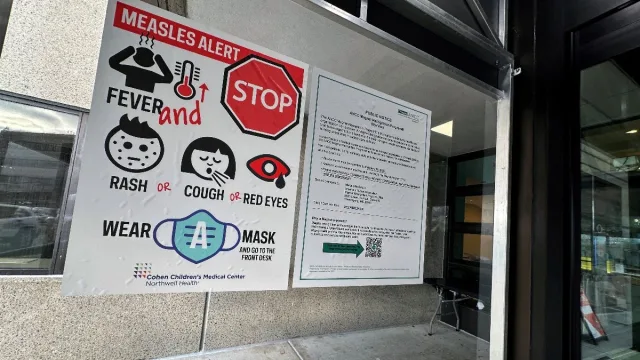
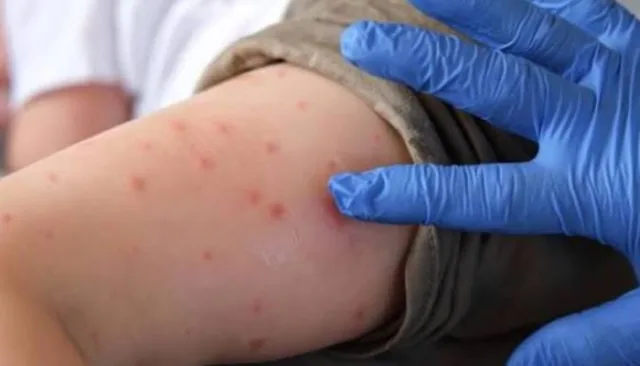
The reclassification of the U.S. carries practical and logistical burdens for the public. As measles becomes endemic, clinicians are increasingly being advised to consider the virus as a potential diagnosis for any patient presenting with fever and rash, regardless of travel history. Furthermore, the loss of elimination status may turn the United States from a destination that imports the disease into an exporter of the virus to other countries, potentially complicating international travel and coordination. For individuals, the reality is that the safety net has dissolved; medical experts are now suggesting that adults should verify their own vaccination records, as the baseline risk of exposure has risen significantly.
Legislative action in the coming year may determine how quickly the country can move toward regaining its status. Dr. Céline Gounder noted that state legislatures, many of which are set to reconvene in January, hold the authority to adjust school vaccination requirements and exemption policies. Some states that restricted nonmedical exemptions in 2025 saw kindergarten vaccination rates rise by 2 to 4 points, suggesting that policy changes can still impact outcomes. PAHO expects the U.S. to submit a formal national plan for measles elimination in the coming weeks, which will require a level of political and scientific coordination that has been conspicuously absent throughout the current administration’s tenure.
The path forward for the U.S. rests on a reconciliation between public health mandates and a fragmented political landscape. Sen. Ron Wyden of Oregon characterized the current determination as the result of a campaign by grifters, quacks and charlatans, while others, like Sen. Bill Cassidy of Louisiana, have urged the administration to prioritize clear communication about vaccine safety. Ultimately, the loss of elimination status serves as a stark metric of how quickly scientific progress can be undone when the mechanisms of public health are devalued. The U.S. now enters a period where it must rebuild its immunity profile from the ground up, facing a reality where the most basic defensive measure—the vaccine—has become the center of an increasingly dangerous national divide.
Updated 1 time since publication; last update 17 November 2026, 21:43.