Judge denies defense motion to find Lindsay Clancy not guilty of murder
A judge has rejected defense efforts to dismiss murder charges against Lindsay Clancy following a mistrial that saw a jury split 11-1 in favor of acquittal.
- Headline: Judge denies defense motion to find Lindsay Clancy not guilty of murder
- Dispatch Summary: A judge has rejected defense efforts to dismiss murder charges against Lindsay Clancy following a mistrial that saw a jury split 11-1 in favor of acquittal.
- Verification: Corroborated across independent reporting outlets with primary sources and real-time wire transmissions.
Judge Denies Defense Motion for Not Guilty Verdict
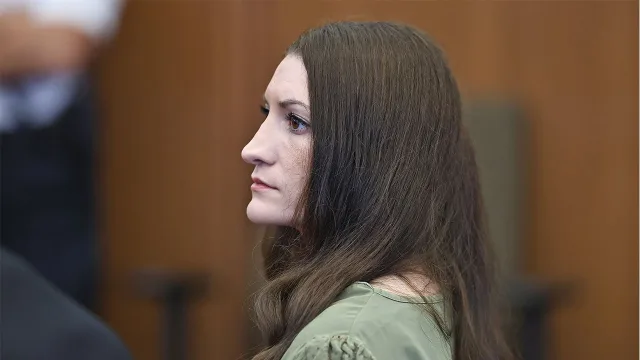
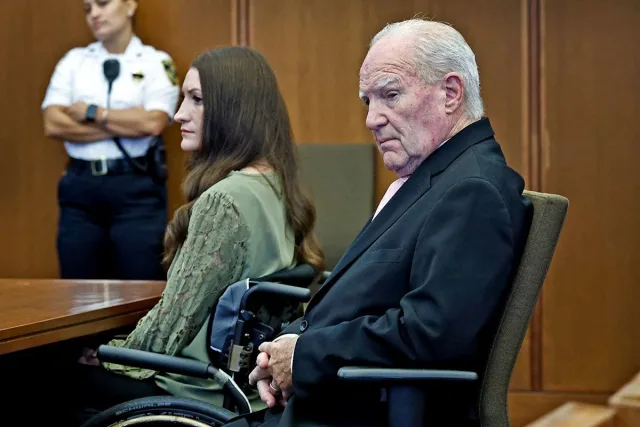
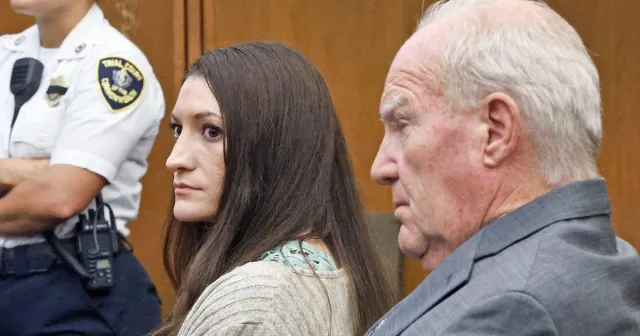
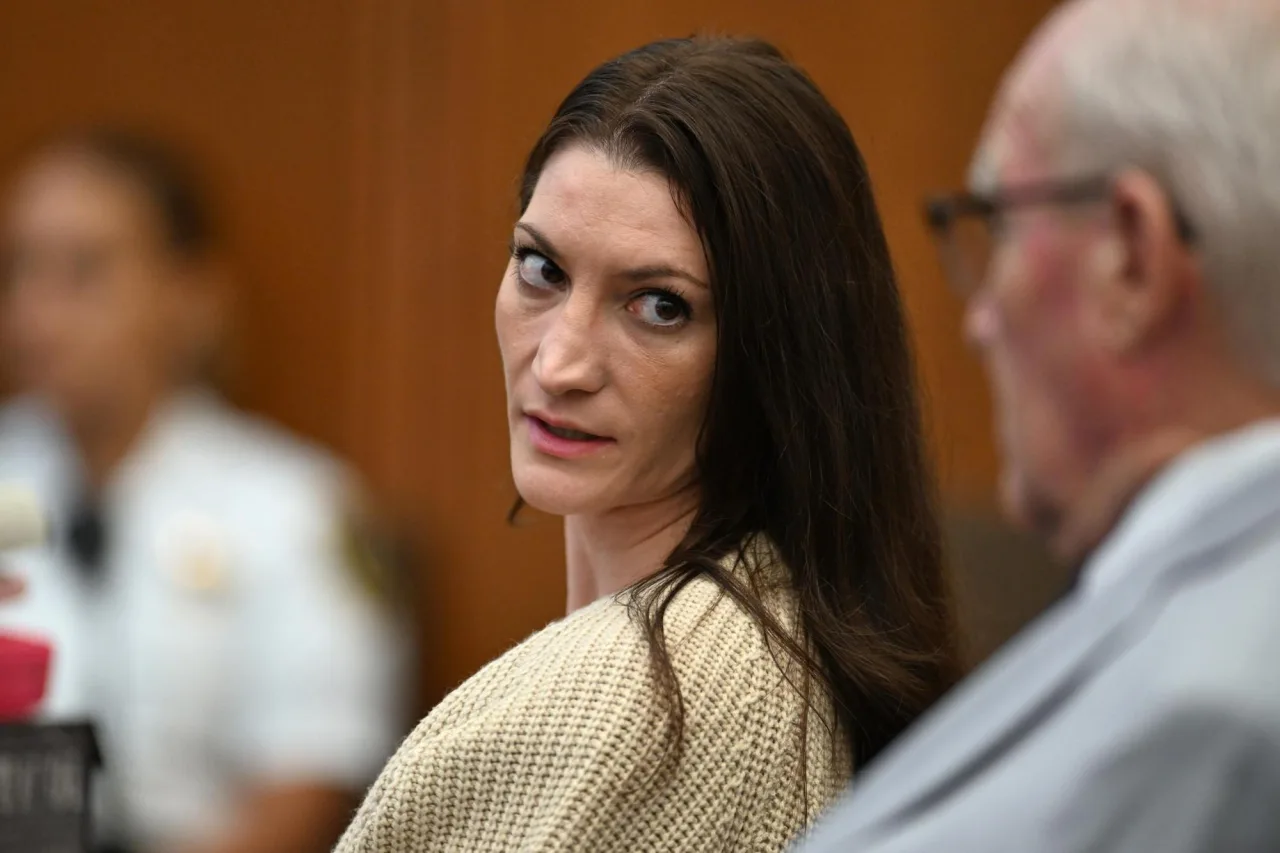
The judge in the Lindsay Clancy murder case on Thursday rejected a defense motion to declare her not guilty, upholding the prosecution’s argument that sufficient evidence exists to warrant a jury trial. The ruling came after Clancy’s attorneys contended that prosecutors had failed to prove she committed the 2023 killings of her three children, a claim prosecutors dismissed as “laughable.”
Clancy, a 36-year-old former labor and delivery nurse, is accused of strangling her children—Cora, 5, Dawson, 3, and Callan, 8 months—with exercise bands in their Massachusetts home in January 2023. She then attempted suicide, leaving her paralyzed. During her first trial, which ended in a mistrial on September 4, the defense did not dispute that Clancy carried out the killings but argued she was not criminally responsible due to postpartum psychosis, a rare mental condition.
In a hearing earlier this week, Clancy’s attorney, Kevin Reddington, asserted that prosecutors had presented no definitive proof of her involvement. “This entire case is based on speculation,” Reddington said, questioning the lack of police investigation and Clancy’s memory of the events. Prosecutors, however, emphasized the presence of physical evidence, including Clancy’s DNA on the bands used to strangle the children, and circumstantial details such as her statements about hearing voices instructing her to kill them.
| Detail | Information |
|---|---|
| Jury Split in First Trial | 11-1 in favor of acquittal |
| Clancy’s Mental Health History | Months of treatment, psychiatric hospital stay, and postpartum psychosis diagnosis |
| Physical Evidence | Clancy’s DNA on exercise bands used in the killings |
| Prosecutors’ Stance | Claimed “voluminous” evidence supporting Clancy’s guilt |
Mistrial in First Trial Highlights Divided Jury
The first trial concluded with a deadlocked jury, prompting Judge William Sullivan to declare a mistrial. The 11-1 split in favor of acquittal underscored the jury’s internal conflict over Clancy’s culpability. During the trial, prosecutors acknowledged her mental health struggles but argued she was aware of her actions when she killed the children. The defense, meanwhile, sought to shift focus to Clancy’s mental state, emphasizing her lack of memory and the influence of postpartum psychosis.
Reddington’s recent motion to dismiss the case hinged on the claim that prosecutors had not met the burden of proof. “Where is the admission? Where does she say that she did this?” he asked during the hearing. Prosecutors countered that the defense’s argument ignored the trial’s evidence, including expert testimony and Clancy’s own statements. Judge Sullivan ruled that the evidence was sufficient to proceed, stating it “would permit a rational trier of fact to find beyond a reasonable doubt the elements of the charge of murder.”
The case has drawn significant public attention, with Clancy’s attorneys also requesting the removal of a juror who reportedly refused to consider reasonable doubt. The juror, Michael Desronvil, later defended his stance, stating the focus should remain on the children rather than his role in the trial.
Prosecutors Weigh Options for Next Steps
Following the judge’s ruling, prosecutors in Plymouth County are deliberating whether to retry Clancy on first-degree murder charges, pursue lesser charges such as manslaughter, or drop the case entirely. District Attorney Timothy Cruz emphasized the gravity of the decision, stating, “We are going to do what we can for the children.”
Clancy’s defense team has not yet commented on the latest ruling, but their continued efforts to challenge the case suggest they may seek further legal avenues. The defense has also questioned the adequacy of the police investigation, highlighting gaps in evidence collection and the absence of direct testimony from Clancy about her actions.
The case remains a focal point for discussions about mental health and criminal responsibility. While prosecutors maintain that Clancy’s actions were deliberate, the defense’s focus on her mental state reflects broader debates about how the legal system addresses individuals with severe psychological conditions.
Frequently Asked Questions
What evidence supports the prosecution’s case against Lindsay Clancy?
Prosecutors cite Clancy’s DNA on exercise bands used to strangle her children, as well as testimony about her statements regarding voices instructing her to kill them. They also argue that her mental health history does not negate her awareness of her actions at the time of the killings.
What happens next in the case?
Prosecutors have not yet decided whether to retry Clancy, potentially on lesser charges, or drop the case. The defense may continue to challenge legal procedures, including the jury’s composition and the sufficiency of the evidence.
Why did the first trial end in a mistrial?
The 12-member jury could not reach a unanimous verdict, with 11 jurors favoring acquittal and one leaning toward conviction. The judge declared a mistrial, allowing prosecutors to pursue further legal action.
The outcome of the latest ruling leaves the case in limbo, with the next steps hinging on prosecutors’ decision-making and the potential for a retrial. For now, the focus remains on the legal and ethical complexities of a case that has captivated the public and raised critical questions about justice, mental health, and the limits of criminal responsibility.
How significant is this wire dispatch?
Cast your anonymous vote to register reader consensus across journalism and intelligence sectors.
Dateline Wire is dedicated to independent, evidence-backed reporting. This briefing was synthesized from primary source reporting, corroborated across independent newsrooms, and verified against our Editorial Standards.