Israeli President Herzog to name new government candidate Sunday
President Isaac Herzog prepares to name Israel's next government candidate on Sunday following intense consultations and a fractured Knesset election.
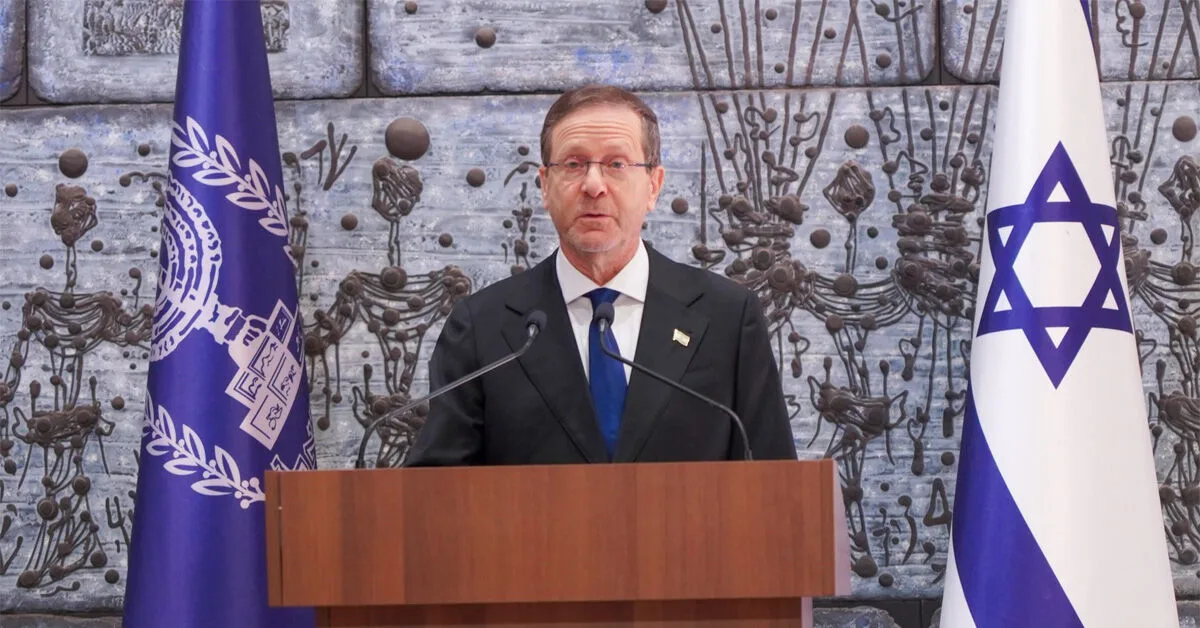
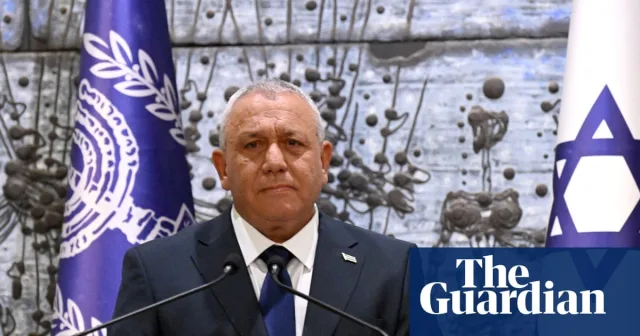
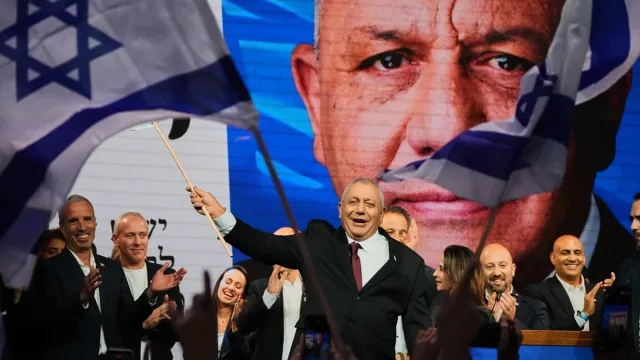
Israeli President Isaac Herzog will announce on Sunday which political leader he will task with forming the country's next government. The decision follows marathon consultations with parties elected to the 120-seat Knesset after the October 27 election left the nation in deep political deadlock. Opposition figure Gadi Eisenkot, leader of the Yashar party and a former military chief, secured recommendations from 67 lawmakers. Meanwhile, Prime Minister Benjamin Netanyahu, who leads the Likud party, received the backing of 46 lawmakers, while seven abstained.
Despite Eisenkot commanding a numerical majority, Herzog cautioned that raw numbers do not guarantee a successful coalition. In televised remarks on Thursday, the president pointed to mutual vetoes between the blocs and within the blocs themselves
as a major obstacle. Herzog held consultations on Wednesday and Thursday and plans to conduct personal talks with select party leaders over the Israeli weekend, which runs from Friday to Saturday, before making his final announcement.
Who holds the parliamentary numbers and who is left out?
The post-election landscape divides the Knesset into distinct blocs with deep mutual distrust. Netanyahu's Likud won 27 seats, making it the largest single party, but his broader religious-nationalist coalition garnered only 53 seats in total. Eisenkot's alliance of four Jewish-led parties, spanning from the centre-left to the right, secured 48 seats. Additionally, two parties representing Israel's Arab minority won an unprecedented 19 seats combined.
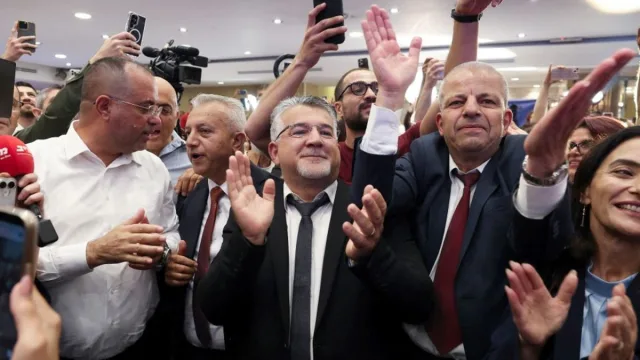
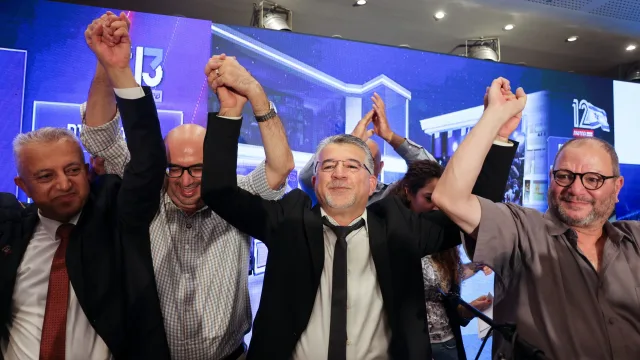
Both Netanyahu and Eisenkot have ruled out forming a government with the Arab-led parties. Nevertheless, Arab lawmakers chose to recommend Eisenkot to block the current administration. We want to do things that we did not do in the past in order to remove this criminal government,
said Ahmad Tibi, a senior member of the Joint List. Eisenkot's party, Yashar, noted that his 67 recommendations are the most any candidate has received since 2015, urging Herzog to hand over the mandate as soon as possible so he can form a national emergency government.
| Political Leader | Party / Alliance | Seats Won | Recommendations Secured |
|---|---|---|---|
| Gadi Eisenkot | Yashar and center-left to right alliance | 48 | 67 |
| Benjamin Netanyahu | Likud and religious-nationalist coalition | 53 (Likud: 27) | 46 |
| N/A | Arab-led parties (two parties) | 19 | 7 (Abstentions) |
Why did Netanyahu suffer a crucial defection?
Netanyahu's path to power suffered a severe blow when United Torah Judaism, one of the two main ultra-Orthodox parties and a longtime political ally, declined to recommend any candidate during Thursday's consultations. The party broke with Netanyahu because his coalition failed to pass legislation exempting ultra-Orthodox men from military service. Yariv Oppenheimer, a member of the Democrats party within Eisenkot's alliance, noted that United Torah Judaism has signaled its support is available for the right price, meaning a competitive offer from Eisenkot could provide him with the working majority he needs.
It’s very clear that Netanyahu doesn’t have a chance to establish a government at all,
Oppenheimer told Al Jazeera. Meanwhile, Netanyahu has seized upon an investigation by election officials into possible vote tampering, accusing Arab-led parties of stealing the vote. Critics accuse Netanyahu and his allies of trying to undermine the results, an allegation he denies. The Central Election Committee stated on Wednesday that the election's integrity remains uncompromised. Supreme Court Justice Noam Sohlberg, who heads the committee, warned Herzog that attempting to shake public trust poses a real danger to the peaceful transfer of power.
How did the political crisis unfold?
The sequence of events following the October vote demonstrates the rapid acceleration of the institutional and parliamentary crisis:
- October 27: Israel holds parliamentary elections, resulting in a fractured 120-seat Knesset where neither major bloc secures an outright majority.
- Wednesday: President Isaac Herzog begins consultations with elected political factions at his residence. Supreme Court Justice Noam Sohlberg warns against undermining public trust in the election results.
- Thursday: Herzog concludes the second day of consultations, revealing that 67 lawmakers backed Gadi Eisenkot and 46 backed Benjamin Netanyahu, while seven abstained. Herzog announces he will name the mandate holder on Sunday.
- Friday: President Herzog prepares for personal talks with party leaders over the weekend, while far-right figures call for the immediate arrest of Arab party leaders and opposition figures maneuver for coalition leverage.
What happens once the president names a candidate?
Once Herzog assigns the mandate on Sunday, the chosen candidate will have 28 days to forge a governing coalition, with a possible extension of 14 days. Until a new government is successfully formed, Netanyahu will continue to serve as prime minister in a caretaker capacity. If the designated candidate fails to assemble the necessary parliamentary support within the allotted window, Israel will face yet another round of parliamentary elections.
Far-right allies of the prime minister, including National Security Minister Itamar Ben-Gvir, have responded to the political impasse by calling for the immediate arrest and interrogation of Arab party leaders who backed Eisenkot.