Israeli President picks Gadi Eisenkot, Netanyahu rival, to try to form g…
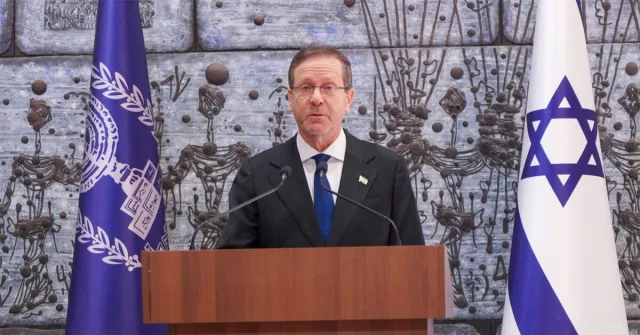
Israeli President Isaac Herzog has bypassed Benjamin Netanyahu, tasking opposition leader Gadi Eisenkot with forming a new government after securing 67 parliamentary recommendations.
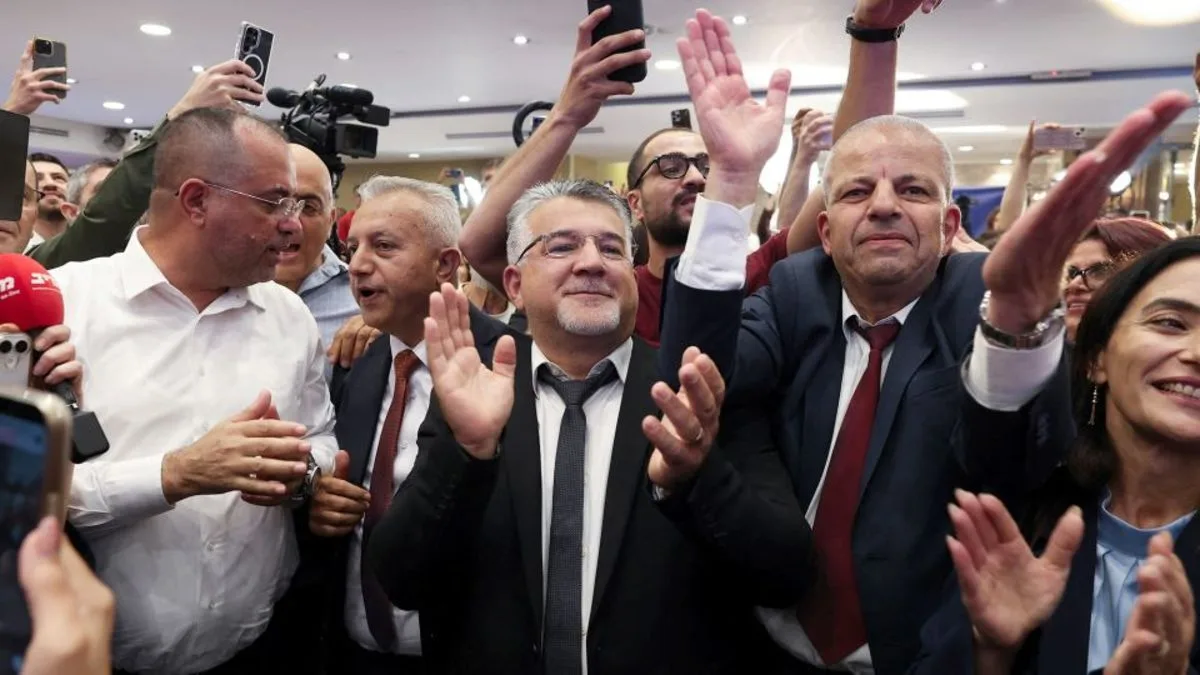
Israeli President picks Gadi Eisenkot, Netanyahu rival, to try to form government
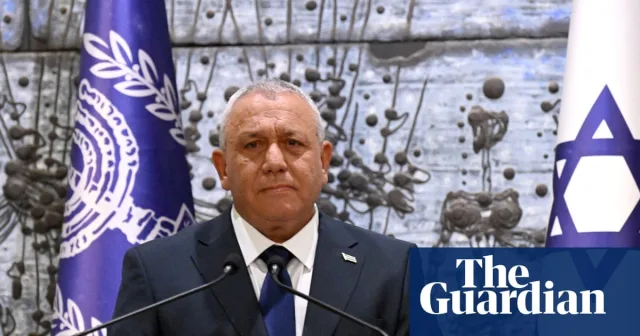
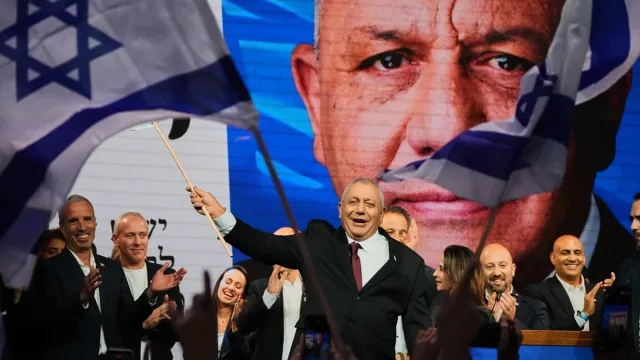
Israeli President Isaac Herzog said Saturday night that he was giving opposition candidate Gadi Eisenkot the first opportunity to form a governing coalition following elections on Oct. 27. That official announcement on Saturday set off a political earthquake in Israel, placing retired military chief Gadi Eisenkot just one step away from ousting Netanyahu, the country’s longest-serving leader, following an inconclusive national election.
The core dispute centers on a deeply deadlocked 120-seat Knesset where neither major bloc secured an outright majority in the October 27 vote. Netanyahu's Likud party won 27 seats, emerging as the largest single party, while Eisenkot's centrist Yashar party won 21 seats as the second-largest party. However, President Herzog bypassed Netanyahu entirely after consultations with all parties, handing the initial mandate to Eisenkot because he secured the recommendations of 67 members of the incoming parliament, compared to just 46 for Netanyahu. The math makes Eisenkot the first in line to try to form a government, but the political reality leaves him walking a narrow ledge.
How did an opposition leader with fewer party seats win the presidential mandate?
The maneuver that sidelined Netanyahu was driven by a surprising convergence of anti-Netanyahu sentiment and parliamentary maneuvering. While Netanyahu’s broader religious-nationalist coalition captured 53 seats, falling short of the 61-seat majority required, his once-loyal bloc suffered internal fractures. During consultations at the president's residence, United Torah Judaism, a traditional Netanyahu ally, declined to recommend him.
Meanwhile, Arab parties incensed by the policies of Netanyahu and his far-right allies threw their weight behind Eisenkot. Two parties representing Israel's Arab minority won an unprecedented 19 seats amid their highest turnout ever in the Tuesday election. Although Eisenkot has ruled out including Arab parties in his Cabinet, lawmakers from the Joint List and Ra'am nominated him simply to break the deadlock and deny Netanyahu another term. This unusual backing pushed Eisenkot's recommendation count to 67, forcing President Herzog's hand to officially hand over the mandate.
What are Gadi Eisenkot's actual chances of building a governing coalition?
Despite holding the mandate and a parliamentary majority on paper, Eisenkot faces steep obstacles that make his path to a functioning government deeply uncertain. He is pushing to swear in a minority government composed of four Jewish opposition parties holding 48 seats: his own Yashar, Together led by Naftali Bennett and Yair Lapid, Yisrael Beiteinu led by Avigdor Liberman, and the left-wing Democrats led by Yair Golan. To survive, this minority government would rely on Arab parties providing a parliamentary safety net from the outside. Eisenkot has indicated a willingness to partner with Arab parties under certain conditions, including agreeing to refer to Hamas as a terrorist group that needs to be destroyed.
That strategy faces fierce opposition from within the anti-Netanyahu camp itself. Avigdor Liberman has flatly ruled out any government dependent on Arab parties, arguing it would be short-lived and ultimately pave the way for Netanyahu to return with 70 seats. Liberman instead advocates for a 61-seat coalition including the ultra-Orthodox parties Shas and United Torah Judaism, combined with potential defections from Likud. Yet that alternative plan collides directly with the opposition's core campaign promise to end the blanket military draft exemptions for ultra-Orthodox men—exemptions those religious parties are demanding be enshrined into law.
What does this mean for Netanyahu and his allies?
Netanyahu is fighting aggressively on multiple fronts to retain power, denouncing the unfolding political transition as illegitimate. In a video statement, Netanyahu warned against hastily swearing in a government with terrorist supporters, claiming the election was stolen through foreign funding and voter bribery. Din Livne, the acting director-general of the Central Elections Committee, said in a letter to a committee member on Thursday that there is no basis to the claims regarding a systematic compromise of the integrity of the elections.
Netanyahu is instead demanding a broad national unity government involving his entire bloc of religious and far-right parties.
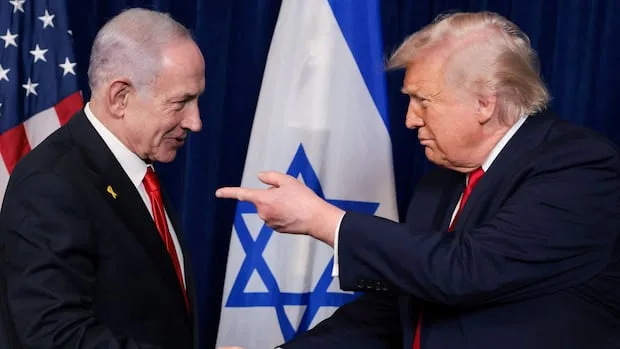
Eisenkot dismissed Netanyahu's counter-offer as a pathetic spin, stating that if Likud genuinely wants unity, it must dissolve its alliance with extremist factions and join a government under Eisenkot's leadership. Netanyahu, whom President Trump endorsed enthusiastically, currently serves as caretaker prime minister while the clock ticks on the opposition's attempt to build an alternative.
What happens next in the race to govern Israel?
Spokesperson for President Isaac Herzog via The Independent
President Herzog has invited Gadi Eisenkot to the President’s Residence, where he will be tasked with forming the government tomorrow,
Eisenkot formally receives the mandate at 5 p.m. local time on Sunday and will have an initial 28 days to negotiate Cabinet posts, budgets, and policies, with a possible 14-day extension giving him up to six weeks total. In a post on X, Eisenkot wrote, Now is the time to form a national emergency government. I will do everything to ensure we are worthy.
His Yashar party also slammed the prime minister's video in a statement posted on X and urged members of Netanyahu's party, Likud, to disavow their alliance with radical parties.
His first major test arrives Tuesday with the swearing-in of the new Knesset. Once the new Knesset is sworn in, Eisenkot's bloc, along with the Arab parties, could begin passing laws given that they will control a majority in the parliament. The opposition intends to use its numbers to replace Netanyahu's Knesset speaker, a move that would immediately weaken Netanyahu's grip on power and allow the opposition to initiate a state commission of inquiry into the October 7, 2023, security failures.
If Eisenkot fails to forge a coalition within the allotted window, President Herzog can transfer the mandate to another lawmaker, potentially returning it to Netanyahu for another four-week trial. There is a deadline for the process of around 100 days. If all attempts at forming a government fail, Israel faces the prospect of returning to the polls for a fresh election while Netanyahu remains at the helm as caretaker.
Updated 1 time since publication; last update 10 November 2026, 02:55.