Estonia Blames Russia for Arson Attack on Defense Firm Milrem Robotics
Estonia has formally accused Russia of orchestrating an arson attack on defense technology firm Milrem Robotics, drawing strong condemnation from NATO and European allies.
- Headline: Estonia Blames Russia for Arson Attack on Defense Firm Milrem Robotics
- Dispatch Summary: Estonia has formally accused Russia of orchestrating an arson attack on defense technology firm Milrem Robotics, drawing strong condemnation from NATO and European allies.
- Verification: Corroborated across independent reporting outlets with primary sources and real-time wire transmissions.

Estonia has formally accused Russia of orchestrating an arson attack on Milrem Robotics, a defense technology firm that supplies unmanned ground vehicles to Ukraine, marking a significant escalation in tensions between the Baltic nation and Moscow. The August 15 blaze, which targeted the company’s facility in Tallinn, was described by Estonian officials as a "deliberate act of sabotage" carried out by Russian security services. The claim comes amid heightened concerns over Russia’s alleged use of hybrid warfare tactics to intimidate European allies and undermine support for Ukraine.
Estonia's Direct Accusation and Security Claims
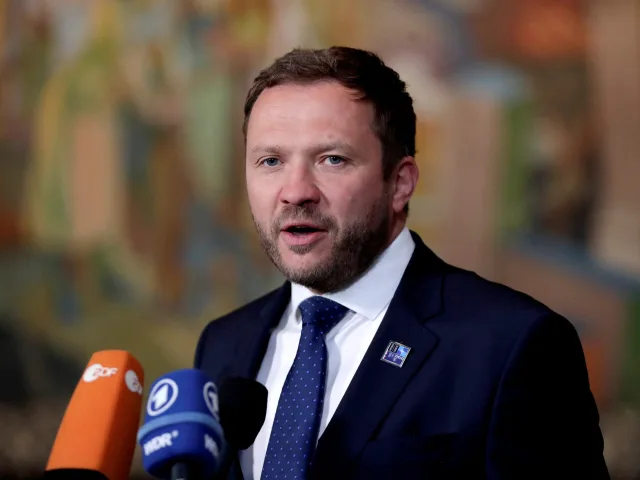
Estonian Foreign Minister Margus Tsahkna stated that the attack was "an act of sabotage ordered by the special services of the Russian Federation," citing intelligence from the country’s Internal Security Service (KAPO). "We can conclude with certainty" that the fire was premeditated, Tsahkna wrote on X, adding that the perpetrators had been apprehended and were no longer a threat. KAPO confirmed the assessment, noting the attack’s "modus operandi" aligned with other sabotage operations attributed to Russian intelligence since the start of the war in Ukraine.
The agency also revealed that it and its partners had arrested over 20 individuals linked to attacks on behalf of Russian security services since 2022. Defense firms, particularly those involved in drone technology, have been among the targets, according to KAPO. Tsahkna emphasized that the attack was part of a broader Russian strategy to "intimidate" Estonia and weaken its support for Ukraine. "Our response will be the opposite," he said, vowing to increase aid to Kyiv and pressure Moscow to end its "aggression."
Kremlin Denial and European Reactions
Russia’s Kremlin swiftly dismissed the allegations, with spokesman Dmitry Peskov calling them "baseless, ill-considered, and lacking any form of reasoning." He added that Moscow would "not take such statements seriously." However, European allies and NATO leaders condemned the accusation as credible. NATO Secretary-General Mark Rutte called the attack part of Russia’s "reckless campaign of hostile actions against NATO allies," while French President Emmanuel Macron described it as a "dangerous escalation" in a series of "hostile acts" targeting Europe.
Lithuanian Foreign Minister Kestutis Budrys and Swedish Prime Minister Ulf Kristersson both labeled the attribution "extremely serious," with Kristersson stating the attacks were "directed against Europe as a whole." Latvian President Edgars Rinkevics urged "more support for Ukraine," while the European Commission condemned the arson as "reckless" and vowed to continue backing Kyiv. Estonian Defense Minister Martin Herem also reiterated the country’s commitment to allocating 0.25% of its GDP to support Ukraine, despite the threat of Russian sabotage.
Context of Hybrid Warfare and Regional Tensions
Estonia’s accusation adds to a pattern of alleged Russian hybrid operations targeting NATO and EU states. Since Russia’s full-scale invasion of Ukraine in 2022, the Baltic nation has repeatedly accused Moscow of cyberattacks, disinformation campaigns, and physical sabotage. The Milrem Robotics attack occurred amid a wave of Russian strikes on Ukrainian infrastructure, including a September 29 missile attack on Kyiv that damaged data centers, a railway depot, and an educational institution. President Volodymyr Zelensky attributed the strikes to Russia’s efforts to "exhaust" Ukrainian air defenses and "scare Europe into winding down its support for Ukraine."
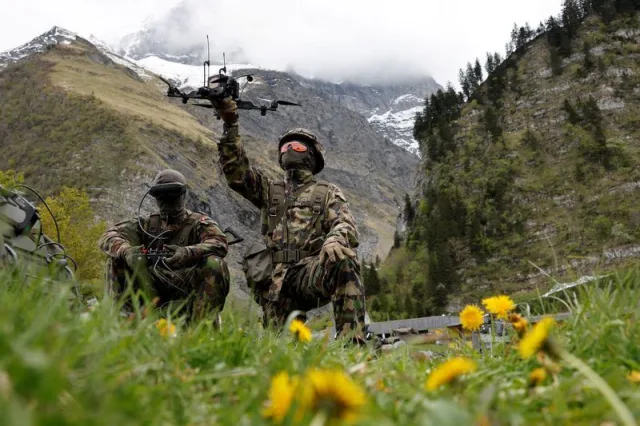
The incident also highlights the growing risks for defense companies supplying Ukraine. Milrem Robotics, which develops unmanned systems for military use, has become a focal point for Russian attempts to disrupt Western military aid. Estonia’s security services have reportedly thwarted multiple similar attacks, with Tsahkna stating that the country’s "security services are working effectively" to counter such threats.
| Detail | Information |
|---|---|
| Date of Attack | August 15, 2026 |
| Target | Milrem Robotics, Tallinn, Estonia |
| Alleged Perpetrators | Russian Federation’s special services |
| Kremlin Response | Denial, calling allegations "baseless" |
| Estonian Actions | Summoned Russia’s chargé d’affaires, arrested perpetrators |
| European Reactions | NATO, EU, and national leaders condemned the attack as part of Russia’s hybrid campaign |
Frequently Asked Questions
What was the nature of the attack on Milrem Robotics?
The attack involved an arson fire at Milrem Robotics’ facility in Tallinn on August 15, 2026. The company, which supplies unmanned ground vehicles to Ukraine, was targeted by what Estonian officials describe as a "deliberate act of sabotage" attributed to Russian security services.
Why is Estonia accusing Russia of the attack?
Estonia’s Foreign Minister Margus Tsahkna and the Internal Security Service (KAPO) stated that the attack’s "modus operandi" matches other sabotage operations linked to Russian intelligence. They claim the fire was part of a broader campaign to intimidate Estonia and weaken its support for Ukraine.
How has Russia responded to the accusation?
Russia’s Kremlin dismissed the claims as "baseless" and "without any form of reasoning," with spokesman Dmitry Peskov stating that Moscow would not take the allegations seriously. The Russian government has not provided evidence to counter Estonia’s assertions.
The incident underscores the escalating risks for European nations supporting Ukraine, as Russia continues to employ hybrid tactics to destabilize its neighbors. With NATO and EU leaders vowing to maintain unity, the coming weeks may see further diplomatic or economic measures against Moscow. Meanwhile, Estonia’s security services remain on high alert, as the country seeks to prevent future attacks while reinforcing its commitment to Kyiv.
How significant is this wire dispatch?
Cast your anonymous vote to register reader consensus across journalism and intelligence sectors.
Dateline Wire is dedicated to independent, evidence-backed reporting. This briefing was synthesized from primary source reporting, corroborated across independent newsrooms, and verified against our Editorial Standards.