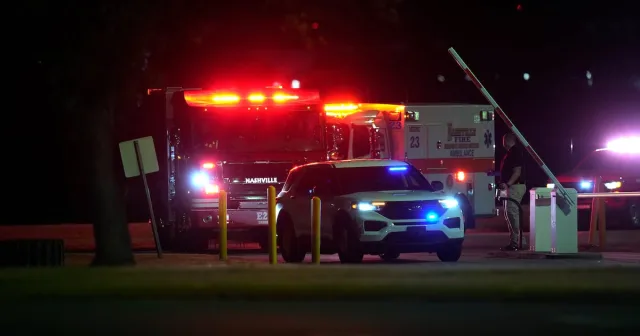
Christa Pike is conscious and speaking after Tennessee failed execution
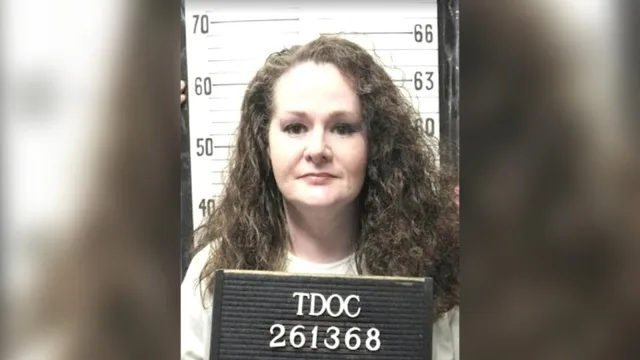
Death row inmate Christa Pike is conscious and speaking in a hospital nearly a week after surviving a botched lethal injection attempt in Tennessee.
- Headline: Christa Pike is conscious and speaking after Tennessee failed execution
- Dispatch Summary: Death row inmate Christa Pike is conscious and speaking in a hospital nearly a week after surviving a botched lethal injection attempt in Tennessee.
- Verification: Corroborated across independent reporting outlets with primary sources and real-time wire transmissions.

Against all odds, 50-year-old death row inmate Christa Pike is conscious, speaking, and continues to receive critical medical care
in a hospital nearly a week after surviving a botched execution attempt in Tennessee, according to her defense team. Pike is believed to be the only person known to have survived a completed execution attempt in the United States, raising questions as she remains handcuffed and shackled to her hospital bed.
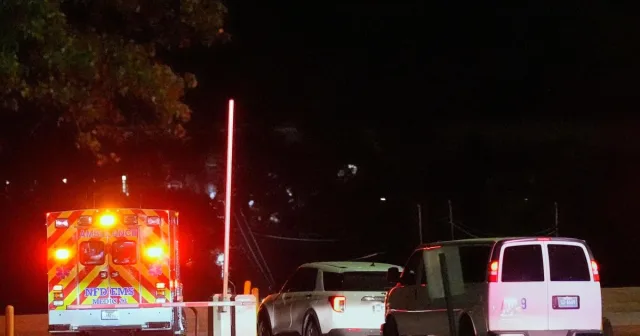
The development marks the first public sign of improvement since an ambulance rushed Pike from Riverbend Maximum Security Institution to a hospital in Nashville on Wednesday, September 30, 2026. Until Tuesday, her attorneys reported that she remained unconscious while medical staff cleared her body of the pentobarbital injected during the execution attempt. Her legal team stated that her recovery is medically unprecedented,
noting that while her exact prognosis remains unclear, at a minimum, we expect a long recovery.
Two Rounds of Pentobarbital and Severe Arm Injuries
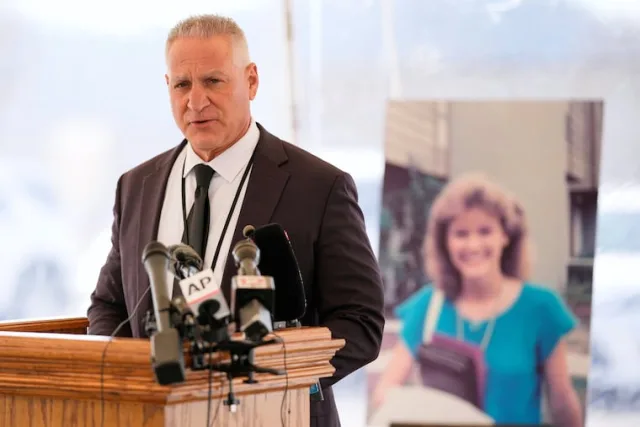
Pike survived two doses of pentobarbital during the September 30 attempted execution, which was carried out to put her to death for the 1995 beating and stabbing murder of 19-year-old classmate Colleen Slemmer. Attorney Randy Spivey stated that the execution team spent an hour trying to establish an IV line, counting at least seven needles used in her left arm alone and saying her right arm turned purple, particularly after the second round of drugs. Media witnesses at the prison described Pike coughing, moving on the gurney, and complaining that her arm felt as though it was about to burst.
Prior to the lethal injection, Pike's attorneys and medical experts had warned state officials that her medical history and anatomy—including thrombocytosis, a blood-clotting condition, and small veins—meant there was a risk she would experience unnecessary pain and suffering. Her lawyers confirmed Tuesday that she suffered severe damage
to her arms during the ordeal, leaving them burned and blistered.
Dr. Joel Zivot, an anesthesiologist advising Pike's defence team, explained that the two doses of pentobarbital she received would have been enough that, had it entered her bloodstream in normal circulation, she would have surely died.
Instead, Zivot stated that a possible explanation is that instead of entering Pike's bloodstream, the pentobarbital was more likely to have spread across the tissue under her skin. While she has recovered to a certain degree to be off a ventilator and able to speak, Zivot cautioned that it could take weeks or months to determine the full extent of her recovery and whether her competency could ever return to a level that might enable the state to try again to execute her.
Political Fallout and Institutional Crisis in Tennessee
The catastrophic failure of the execution protocol triggered immediate and severe fallout within Tennessee's corrections system. Governor Bill Lee suspended all executions for the rest of the year and ordered an independent review. Meanwhile, the head of prisons in the state said over the weekend that he plans to resign.
Federal and state lawmakers have also weighed in on the unprecedented breakdown of the state's capital punishment apparatus.
If it’s lethal injection, if it is electric chair, what we do know is we have to find a way to do this — and do it successfully.
US Senator Marsha Blackburn
The Tennessee Department of Correction told Newsweek: Christa Pike remains hospitalized at the Nashville-area facility where she was transported by emergency services on September 30. Federal privacy laws prevent TDOC from sharing or confirming her medical information.
Legal Battles and Defense Appeals for Clemency
Pike's legal team is set to go to court on Wednesday as they seek to learn more about what happened in the failed lethal injection. Filed by attorneys Randy Spivey and Kelly Gleason of the Tennessee Office of the Post Conviction Defender, alongside Stephen Ferrell and Luke Ihnen of Federal Defender Services of Eastern Tennessee, the legal action demands a court order requiring the Tennessee Department of Correction to preserve evidence, including drug lot numbers, records and other information from the September 30 attempted execution. Chancery Court Judge I’Ashea Myles scheduled a Wednesday morning status conference in the case.
Simultaneously, defense attorneys are renewing their request for Governor Bill Lee to commute Pike's sentence to life in prison without the possibility of parole. Highlighting her personal history, her lawyers noted that Pike was 18 when she and her then-boyfriend, Tadaryl Shipp, beat, tortured and killed 19-year-old Slemmer, whom they had met at a job training camp for troubled teens, and that she had survived multiple rapes during childhood and nearly 30 years of solitary confinement, followed by increasingly restrictive confinement before the execution attempt.
- Christa Pike, 50, is conscious, speaking, and recovering in a hospital.
- She remains handcuffed and shackled to her hospital bed despite suffering severe arm damage.
- Governor Bill Lee suspended all state executions for the rest of the year and ordered an independent review.
- The state prison chief announced his resignation over the weekend following the failed lethal injection.
- Defense attorneys are appearing in court to demand the preservation of drug lot numbers and execution records.
That leaves state officials facing a compounding series of legal, medical, and administrative roadblocks. With the head of prisons resigning, executions halted through the end of the year, and an independent review underway, the state has offered no explanation for what went wrong and no indication of whether it intends to try again to execute Pike. For those following the capital punishment debate in Tennessee, the immediate focus turns to Wednesday's court proceedings in Nashville.