SpaceX launches Starship on first attempt to orbit Earth
SpaceX aims to achieve orbital velocity and complete six Earth orbits during Starship's first orbital test flight. The mission is a pivotal step toward future crewed missions to the Moon and Mars.
- Headline: SpaceX launches Starship on first attempt to orbit Earth
- Dispatch Summary: SpaceX aims to achieve orbital velocity and complete six Earth orbits during Starship's first orbital test flight. The mission is a pivotal step toward future crewed missions to the Moon and Mars.
- Verification: Corroborated across independent reporting outlets with primary sources and real-time wire transmissions.

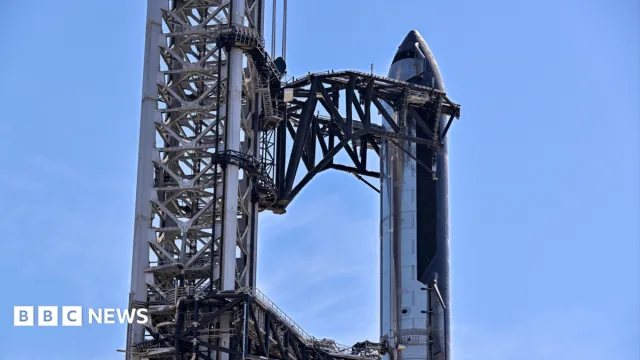
SpaceX is set to conduct its first orbital test flight of the Starship rocket on Monday, September 28, 2026, marking a critical step in the development of the spacecraft designed for future Moon and Mars missions. The 14th test flight, launched from Starbase in Texas, will focus on demonstrating the capability to reach and sustain orbital velocity, a significant leap from previous suborbital tests. The mission, which is expected to last approximately 10 hours, involves the Starship upper stage entering Earth orbit, deploying 26 Starlink V3 satellites, and completing six orbits before a planned splashdown in the Pacific Ocean.
Orbital Test Flight Details
The Starship rocket, the largest and most powerful spacecraft ever built, will be launched at 7:15 a.m. local time (1215 GMT) from Texas. The mission’s primary objective is to demonstrate the capability to reach and sustain orbital velocity, a key milestone for future interplanetary travel. According to sources, the spacecraft aims to enter a circular orbit approximately 275 km (171 miles) above Earth, requiring a speed of about 28,000 km/hour. If successful, Starship will then deploy its payload of 26 Starlink satellites, including three equipped with cameras to capture imagery of the heat shield after deployment.
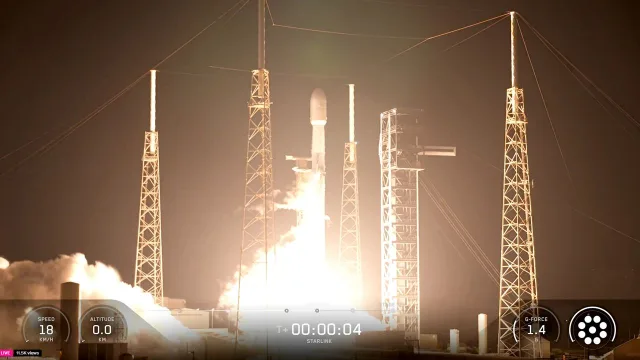
The flight plan includes a two-stage process: the first stage, known as the Super Heavy booster, will separate shortly after liftoff and splash down in the Gulf of Mexico. The upper stage, Starship itself, will perform a second burn to achieve orbital insertion. The entire mission is expected to conclude with a controlled splashdown in the Pacific Ocean west of Chile, nearly 10 hours after launch. Neither stage will be recovered, as SpaceX has not yet developed a method to catch them during such high-energy flights.
| Detail | Information |
|---|---|
| Launch Time | 7:15 a.m. local time (1215 GMT) on September 28, 2026 |
| Orbital Altitude | 275 km (171 miles) above Earth |
| Orbital Speed | Approximately 28,000 km/hour |
| Satellites Deployed | 26 Starlink V3 satellites, including three with cameras |
| Booster Splashdown | Gulf of Mexico, seven minutes after launch |
| Starship Splashdown | Pacific Ocean west of Chile, after six orbits |
Technical Challenges and Historical Context
The test flight represents a major technical challenge for SpaceX, as achieving orbital velocity requires precise calculations and robust engineering. Kathleen Curlee, a senior analyst at Georgetown University’s Center for Security and Emerging Technology, noted that the second burn to reach orbit is the "hardest part," involving complex gravitational forces and aerodynamic stresses. Previous Starship tests have ended in spectacular explosions, highlighting the risks associated with the program’s rapid development cycle.
Since its initial test flight, SpaceX has focused on suborbital trajectories to minimize risks. The 14th flight, however, marks a shift toward more ambitious goals, including testing refueling in orbit—a critical component for future lunar and Martian missions. The company has also emphasized the importance of gathering data from such tests, with one analyst stating that "just achieving flight and getting data" would be considered a success.
Significance for SpaceX’s Future
The orbital test flight is a pivotal step in SpaceX’s roadmap for the Starship program, which aims to enable crewed missions to the Moon and Mars. The spacecraft is designed to carry up to 100 people on "long-duration, inter-planetary flights," according to sources. A successful mission would also support the Artemis program, which seeks to return humans to the Moon, and position SpaceX as a leader in the competitive space industry.
Despite the challenges, SpaceX has maintained its focus on rapid iteration and risk-taking. The company’s partially reusable Falcon rockets have already dominated the global launch market, and the Starship program is seen as the next frontier. However, the test flight also comes amid growing competition, with Chinese companies making progress in reusable rocket technology.
Frequently Asked Questions
What was the primary goal of SpaceX’s Starship orbital test flight?
The mission aims to achieve a 10-hour flight with six Earth orbits, demonstrating the capability to reach and sustain orbital velocity. This is a critical step toward future lunar and Martian missions, as well as the deployment of Starlink satellites.
How many satellites were deployed during the flight?
SpaceX will deploy 26 Starlink V3 satellites, including three equipped with cameras to monitor the spacecraft’s heat shield after deployment.
What happened to the Super Heavy booster and Starship after launch?
The Super Heavy booster will splash down in the Gulf of Mexico shortly after liftoff, while Starship is planned to splash down in the Pacific Ocean west of Chile after completing six orbits. Neither stage will be recovered during the test.
The outcomes of this test flight will inform SpaceX’s next steps, including plans for refueling in orbit and further development of the Starship program. The company is also set to conduct three additional rocket launches later in the week, including a crewed mission to the International Space Station. As SpaceX continues to push the boundaries of space exploration, the lessons learned from this orbital test will be crucial for its long-term goals.
How significant is this wire dispatch?
Cast your anonymous vote to register reader consensus across journalism and intelligence sectors.
Dateline Wire is dedicated to independent, evidence-backed reporting. This briefing was synthesized from primary source reporting, corroborated across independent newsrooms, and verified against our Editorial Standards.