Trump offered to sell arms to China, US ambassador tells Fox News
US Ambassador to China David Perdue stated that President Trump asked Chinese President Xi Jinping if he would like to purchase U.S. arms. The State Department and White House subsequently denied any plans to sell weapons to China, citing legal prohibitions.
- Headline: Trump offered to sell arms to China, US ambassador tells Fox News
- Dispatch Summary: US Ambassador to China David Perdue stated that President Trump asked Chinese President Xi Jinping if he would like to purchase U.S. arms. The State Department and White House subsequently denied any plans to sell weapons to China, citing legal prohibitions.
- Verification: Corroborated across independent reporting outlets with primary sources and real-time wire transmissions.
Ambassador’s Statement on Trump’s Arms Inquiry
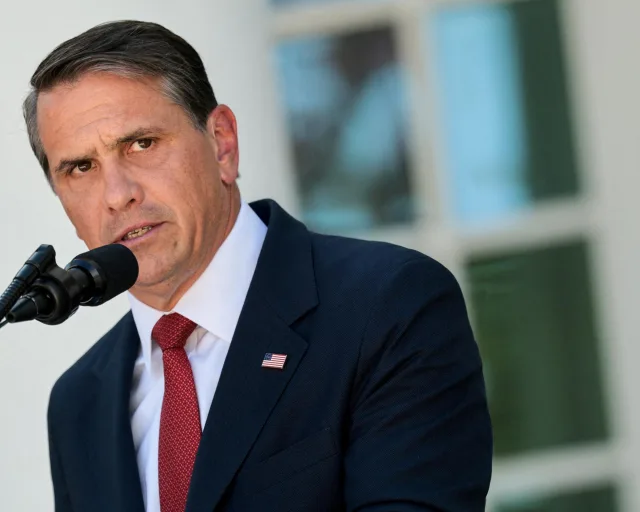
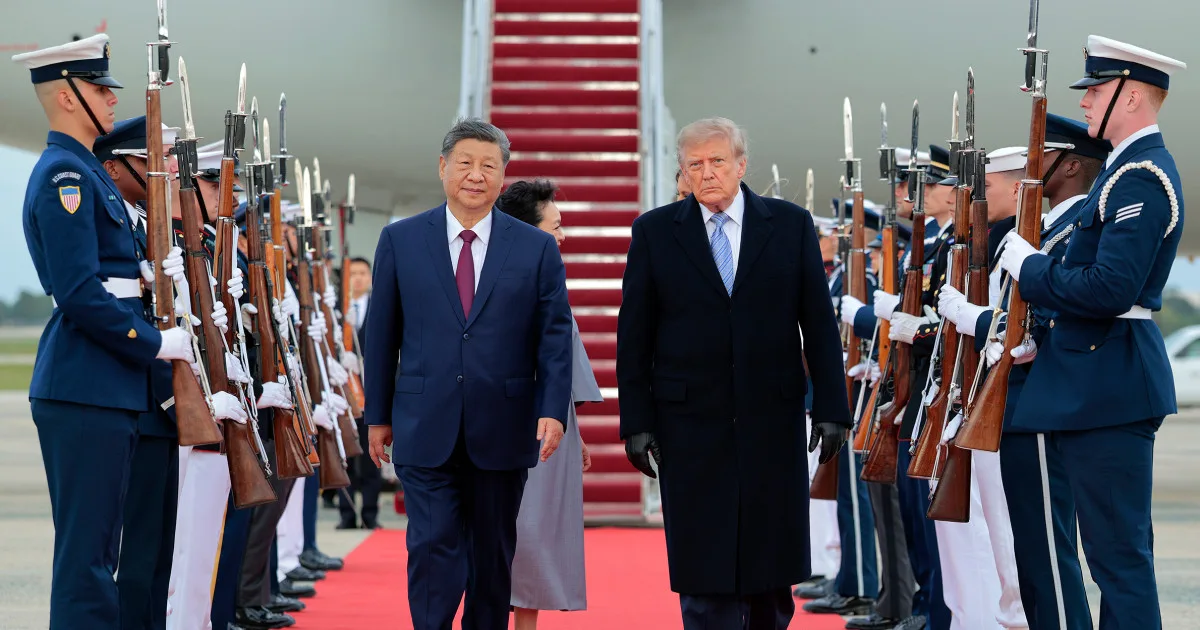
US Ambassador to China David Perdue told Fox News that President Donald Trump asked Chinese President Xi Jinping if he would like to purchase U.S. arms during Xi’s recent state visit to Washington. Perdue stated, “He actually asked President Xi—would he like to buy some?—at one point,” according to multiple reports including Newarab.com and NBC News. The claim highlights a rare and controversial suggestion by Trump to expand military trade with a geopolitical rival, though Perdue emphasized that the U.S. position on arms sales to China has not changed.
Perdue acknowledged that Trump and Xi continue to discuss potential sales during their meetings. The ambassador’s remarks were made in the context of heightened scrutiny over U.S. policy toward Taiwan, where Trump has faced pressure to approve a $14 billion arms package. The president had previously paused the deal, calling it a “very good negotiating chip” in dealings with Beijing. However, Perdue stressed that the U.S. is legally barred from arms sales to China under existing law.
White House and State Department Deny Arms Sale Plans
Following Perdue’s comments, White House officials and the U.S. State Department swiftly denied any intention to sell arms to China. A State Department spokesperson stated, “US law prohibits arms sales to China and there is no offer or plan to sell arms to China.” The White House also reiterated this stance, with officials citing legal restrictions and strategic concerns. These denials contrast with Perdue’s account, raising questions about the scope and intent of Trump’s remarks.
The contradiction underscores the complexity of U.S.-China relations, where arms sales to Taiwan remain a sensitive issue. While the U.S. is legally obligated to supply Taiwan with defensive weapons under the Taiwan Relations Act, the administration has faced criticism for delaying approvals. Trump’s pause of the $14 billion deal in May drew accusations of compromising Taiwan’s security, with some lawmakers warning that such moves could embolden Beijing.
Context of Taiwan Arms Sales and Geopolitical Tensions
The controversy over Trump’s alleged inquiry into selling arms to China is intertwined with longstanding tensions over Taiwan. The island, which China claims as a breakaway province, has been a focal point of U.S.-China friction. Washington’s arms sales to Taiwan are seen by Beijing as a threat to regional stability, with Chinese officials repeatedly urging the U.S. to halt such transactions.
During Xi’s visit to Washington, the two leaders reaffirmed their commitment to future meetings, including the APEC summit in November and the G20 forum in December. However, Xi reportedly pressed Trump to explicitly oppose Taiwan independence, a demand the U.S. has historically avoided. Meanwhile, Taiwan’s deputy foreign minister, Chen Ming-chi, warned of a “severe situation” in the Taiwan Strait, citing China’s growing military investments.
| Detail | Information |
|---|---|
| Pause in Taiwan Arms Sales | $14 billion package paused in May 2026, described by Trump as a “very good negotiating chip” with China. |
| Recent Arms Sale to Taiwan | $11.1 billion approved in December 2025, the largest since 1979, according to Perdue. |
| Legal Prohibition on Sales to China | US law explicitly bans arms sales to China, as stated by the State Department. |
Reactions from China and Taiwan
China’s foreign ministry did not directly address Perdue’s claims but reiterated its commitment to “strengthening national defense capabilities based on its own needs.” The statement emphasized Beijing’s dedication to global peace, though it has not ruled out military action to reclaim Taiwan. Chinese officials have long criticized U.S. arms sales to the island, framing them as interference in internal affairs.
Taiwan’s government expressed concern over the controversy, with Chen Ming-chi highlighting the “severe military threat” posed by China. The island’s leaders have repeatedly called on the U.S. to uphold its security commitments, even as Trump’s administration faces scrutiny for its handling of the issue. The situation has intensified fears that U.S. policy could be influenced by broader diplomatic negotiations with Beijing.
Frequently Asked Questions
Did President Trump actually offer to sell arms to China?
US Ambassador David Perdue claimed Trump asked Xi Jinping if he would like to purchase U.S. weapons during their meeting. However, the White House and State Department denied any such plans, citing legal prohibitions and existing policy.
Why is the U.S. arms sale to Taiwan a point of contention?
The U.S. is legally required to supply Taiwan with defensive weapons under the Taiwan Relations Act. However, China views these sales as a threat to regional stability and has repeatedly urged Washington to halt them. Trump’s pause of a $14 billion deal in May further complicated the issue.
What are the implications of this controversy for U.S.-China relations?
The alleged inquiry, if true, would mark a significant shift in U.S. policy toward China. However, the White House’s denial suggests the administration remains cautious about escalating tensions. The situation highlights the delicate balance between supporting Taiwan and managing broader diplomatic ties with Beijing.
The next critical test of U.S.-China relations will come at the APEC summit in November and the G20 forum in December, where leaders will likely address unresolved issues. Meanwhile, the fate of the $14 billion Taiwan arms sale and the broader question of U.S. strategic priorities in the region remain uncertain, with both sides closely watching for signals of policy shifts.
How significant is this wire dispatch?
Cast your anonymous vote to register reader consensus across journalism and intelligence sectors.
Dateline Wire is dedicated to independent, evidence-backed reporting. This briefing was synthesized from primary source reporting, corroborated across independent newsrooms, and verified against our Editorial Standards.