Dolby Vision 2 will be available first on some 2026 Hisense TVs
Dolby Vision 2 has begun its global rollout, with select 2026 Hisense television models serving as the first devices to support the new HDR format.
- Headline: Dolby Vision 2 will be available first on some 2026 Hisense TVs
- Dispatch Summary: Dolby Vision 2 has begun its global rollout, with select 2026 Hisense television models serving as the first devices to support the new HDR format.
- Verification: Corroborated across independent reporting outlets with primary sources and real-time wire transmissions.
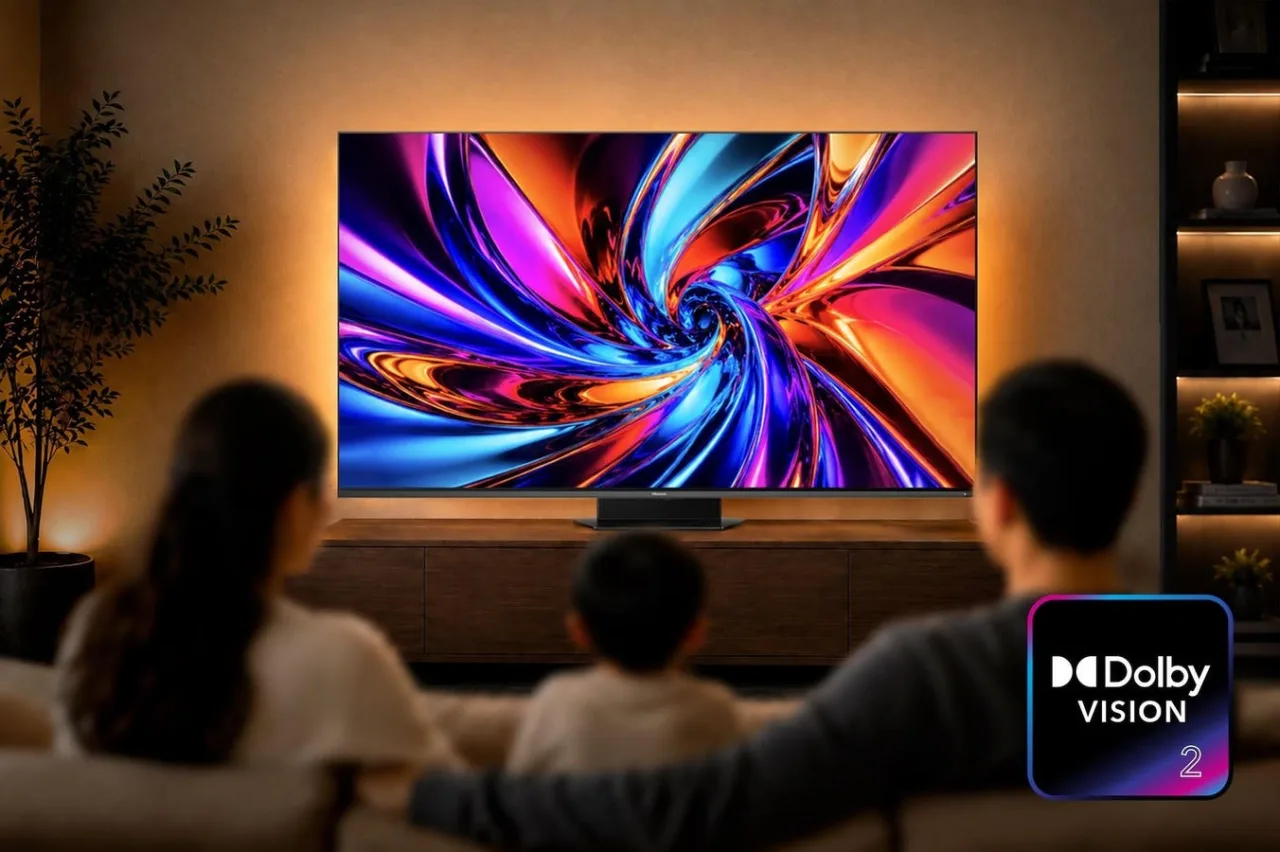
Dolby Vision 2, the latest iteration of Dolby Laboratories’ high dynamic range (HDR) technology, has begun its global rollout, with select 2026 Hisense television models serving as the first devices to support the format. The update, announced on August 6, 2026, is a notable step in the evolution of home entertainment, offering enhanced visual fidelity and new features designed to bridge the gap between creators’ artistic intent and viewers’ experience.
The initial rollout targets Hisense’s premium 2026 models, including the UX, UR9, UR8, and U7 series, which will receive firmware updates enabling Dolby Vision 2. These updates are being distributed globally, with some regions already seeing the feature activated. The rollout is expected to continue over the coming weeks, with the majority of compatible devices receiving the update by the end of August. By September, the update should be complete, according to Dolby Laboratories. Other manufacturers, including TCL and Philips, are set to follow suit later in 2026, though no specific timelines have been disclosed.
Two Tiers, Divergent Capabilities
Dolby Vision 2 operates in two distinct tiers: a standard version and Dolby Vision 2 Max, the latter of which is available on the initial Hisense models. The standard tier introduces features such as an enhanced image engine, content intelligence, and an intensity slider to adjust HDR punchiness. These improvements are designed to work with existing Dolby Vision content, offering subtle but noticeable refinements in contrast, brightness, and color accuracy.
The Max tier, reserved for high-end models, adds advanced capabilities tailored to premium displays. Authentic Motion, a standout feature, allows content creators to apply motion smoothing selectively to specific scenes, reducing judder in fast-paced sequences while avoiding the “soap opera effect” that often plagues motion processing. Light Sense 2 dynamically optimizes picture quality based on ambient lighting conditions, preserving the artistic intent of creators without compromising visibility in bright environments. Pro settings further empower users with granular control over calibration, appealing to enthusiasts and professionals alike.
Content Adoption and Industry Context
While the technical advancements of Dolby Vision 2 are clear, its impact hinges on content adoption. Major streaming platforms such as CANAL+, iQIYI, and Peacock have pledged to support the format, though no fully optimized titles have yet been released. Dolby and Hisense emphasize that existing Dolby Vision content will benefit from the standard’s base features, but the Max tier’s full potential remains dependent on post-production workflows that integrate Dolby Vision 2 metadata. This has sparked debates among AV enthusiasts, with some questioning whether enhanced brightness and motion adjustments might alter the original creative vision of filmmakers.
The rollout also occurs amid ongoing competition with HDR10+, Samsung’s alternative HDR standard. HDR10+ Advanced, announced last year, offers similar features such as bidirectional tone mapping and motion smoothing metadata. However, Dolby Vision 2’s adoption is expected to outpace HDR10+ due to its established industry presence and licensing model. Samsung, which has invested heavily in HDR10+, has no plans to support Dolby Vision, creating a split in the market that could influence consumer choices.
Technical Requirements and Limitations
Dolby Vision 2 requires specialized hardware, with the MediaTek Pentonic 800 SoC currently the only compatible chip. This means older Dolby Vision TVs cannot be upgraded to support the format, though they will still display Dolby Vision 2 content by ignoring the additional metadata. The reliance on new hardware underscores the technology’s position as a forward-looking standard rather than a backward-compatible update.
Despite these limitations, the partnership between Dolby and Hisense highlights the latter’s growing influence in the premium TV market. Hisense’s role as the first brand to implement Dolby Vision 2 aligns with its recent innovations, including RGB MiniLED technology and laser projectors. The company’s commitment to integrating advanced HDR formats reflects its strategy to compete with industry giants like LG and Sony, which have yet to announce support for Dolby Vision 2.
For consumers, the immediate benefit of Dolby Vision 2 lies in its ability to enhance existing content. However, its long-term success will depend on broader industry adoption and the availability of titles that fully leverage its capabilities. As the technology matures, it could redefine expectations for home entertainment, pushing manufacturers and content creators to prioritize visual accuracy and creative control.
How significant is this wire dispatch?
Cast your anonymous vote to register reader consensus across journalism and intelligence sectors.
Dateline Wire is dedicated to independent, evidence-backed reporting. This briefing was synthesized from primary source reporting, corroborated across independent newsrooms, and verified against our Editorial Standards.