SpaceX plans rocket launch for US Space Force. Where to see liftoff
SpaceX is preparing to launch the USSF-153 classified mission using a Falcon 9 rocket. Residents across Southern California may witness the liftoff and hear subsequent sonic booms.
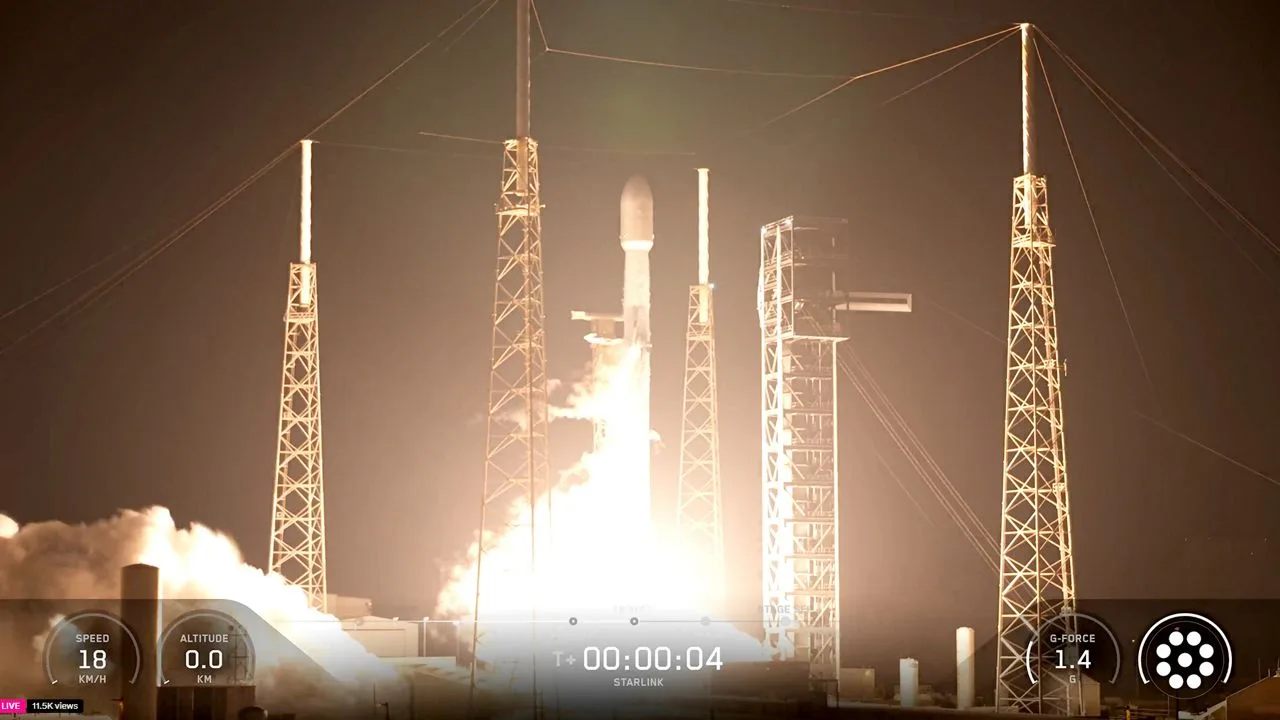
SpaceX is preparing for a pivotal rocket launch on Thursday, September 10, 2026, marking its first mission for the US Space Force this year. The classified mission, designated USSF-153, will see the company’s Falcon 9 rocket depart from Space Launch Complex 4-East (SLC-4E) at Vandenberg Space Force Base in Santa Barbara County, California. This event represents a shift from SpaceX’s recent focus on Starlink satellite deployments, underscoring the growing intersection of commercial spaceflight and national defense priorities.
Launch Window and Backup Plan
The launch window for the USSF-153 mission opens at 8:37 a.m. PT on September 10, offering a three-hour timeframe for liftoff. A Federal Aviation Administration operations plan advisory confirms a backup opportunity is available for the following day, September 11, should weather or technical challenges necessitate a delay. The National Weather Service forecasts mostly sunny conditions during the targeted window, though cloud cover in Southern California may affect visibility for some observers.
SpaceX’s Falcon 9 rocket, a two-stage vehicle standing 230 feet tall, will carry the classified payload into low-Earth orbit. The mission’s exact nature remains undisclosed, but multiple spaceflight outlets have speculated it could involve the deployment of military satellites designed for surveillance, communications, or other defense-related functions. The company has not confirmed the specifics of the payload, reflecting the classified nature of the mission.
Public Viewing and Sonic Booms
While Vandenberg Space Force Base does not permit public viewings of launches, residents in Santa Barbara County, San Luis Obispo County, and Ventura County may witness the Falcon 9’s ascent, particularly after sunset or before sunrise. Local tourism bureaus and spaceflight tracking websites have compiled lists of recommended viewing locations, including cities like Lompoc, Ventura, and San Luis Obispo. The rocket’s trajectory is expected to pass over Southern California, offering a rare opportunity for ground-based observers to see a commercial launch in the region.
Residents near Vandenberg may also hear sonic booms as the Falcon 9’s first-stage booster descends through the atmosphere. The booster, which will attempt to land on SpaceX’s drone ship “Of Course I Still Love You” in the Pacific Ocean, is anticipated to generate shock waves that could last up to 10 minutes after liftoff. Vandenberg has warned that areas adjacent to the base may experience a low rumble during the initial takeoff phase.
Historical Context and Falcon 9’s Track Record
This mission adds to SpaceX’s extensive history of launching payloads for both commercial and government clients. The Falcon 9 rocket, which has completed hundreds of flights since its debut, has become a cornerstone of the company’s operations. Its first-stage booster for the USSF-153 mission has not been identified in the sources, but previous launches have demonstrated the vehicle’s reliability, including successful landings on drone ships and at landing zones in Florida and California.
| Detail | Information |
|---|---|
| Launch Date | September 10, 2026 |
| Launch Window | 8:37 a.m. PT – 11:37 a.m. PT (3-hour window) |
| Backup Date | September 11, 2026 |
| Launch Site | Space Launch Complex 4-East (SLC-4E), Vandenberg Space Force Base |
| Rocket Type | Falcon 9 (two-stage, 230 feet tall) |
| Payload | Classified military satellites for the US Space Force |
Frequently Asked Questions
Where can I watch the SpaceX launch on September 10?
Public viewing locations include Santa Barbara, Los Angeles, and other Southern California areas. Specific sites are listed by local tourism bureaus and spaceflight tracking websites. SpaceX will also provide a livestream of the mission on its website.
What is the USSF-153 mission?
The USSF-153 mission is a classified launch for the US Space Force, involving the deployment of military satellites to low-Earth orbit. The exact nature of the payload has not been disclosed, but it is believed to include defense-related technology.
What happens if the launch is postponed?
If the September 10 launch is delayed, a backup opportunity is available for September 11. The Federal Aviation Administration has confirmed this contingency plan, though no official decision has been made.
The USSF-153 launch represents a significant milestone in the collaboration between SpaceX and the US Space Force, reflecting the increasing reliance on commercial spaceflight for national security needs. As the countdown begins, observers in Southern California and beyond will be watching not only the rocket’s ascent but also the broader implications of this partnership for the future of space exploration and defense. The next critical update will come from SpaceX or the US Space Force, should any changes to the launch schedule or mission details arise.
Dateline Wire is dedicated to independent, evidence-backed reporting. This briefing was synthesized from primary source reporting, corroborated across independent newsrooms, and verified against our Editorial Standards.