Google aims for influencers with the Pixel 11 Creator Suite
Google announced the Pixel 11 lineup at the Made by Google 2026 event, introducing a dedicated Creator Suite and hardware upgrades tailored for mobile influencers.
- Headline: Google aims for influencers with the Pixel 11 Creator Suite
- Dispatch Summary: Google announced the Pixel 11 lineup at the Made by Google 2026 event, introducing a dedicated Creator Suite and hardware upgrades tailored for mobile influencers.
- Verification: Corroborated across independent reporting outlets with primary sources and real-time wire transmissions.
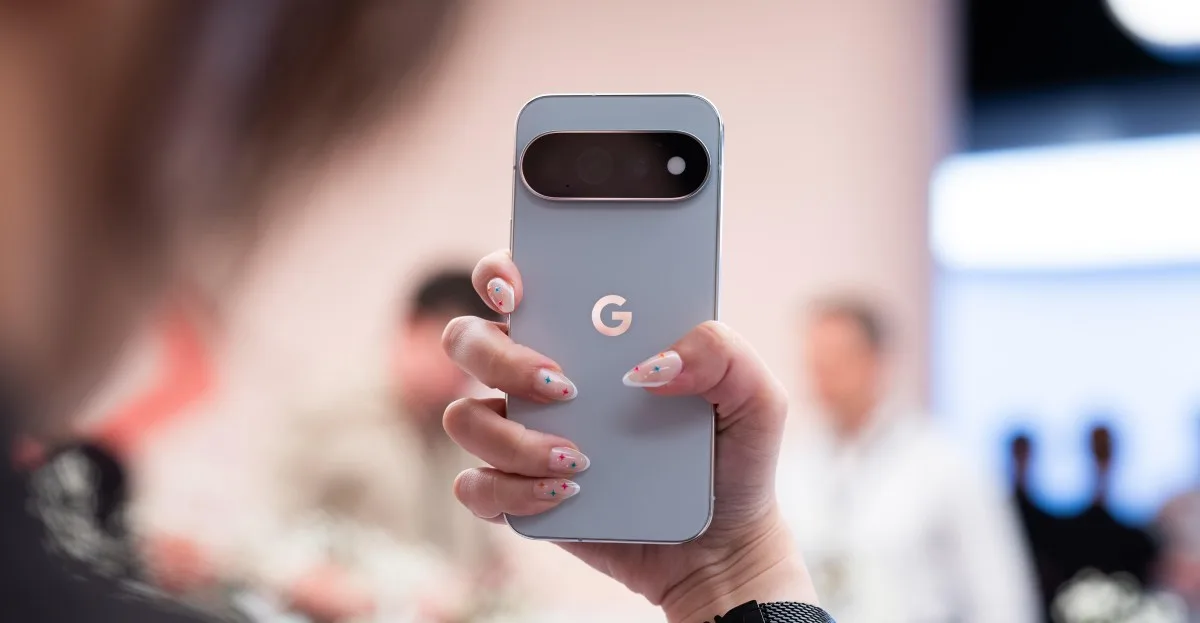
Google has unveiled a suite of features aimed at content creators as part of its Pixel 11 launch, positioning the new smartphones as tools for independent influencers and video producers. The Pixel 11 series, announced during the Made by Google 2026 event, includes a “Creator Suite” integrated into the Camera app, designed to streamline the process of filming, editing, and publishing content directly from the phone. This move underscores Google’s effort to carve out a niche in the competitive smartphone market by targeting a growing demographic of self-starting creators who rely on mobile devices for their work.
The Creator Suite includes tools such as a teleprompter, vocal enhancer, and external microphone level controls, alongside social media frame guides to help users align their content for platforms like TikTok and Instagram. Google’s Pixel camera team lead, Isaac Reynolds, emphasized that the feature addresses a gap in the creator ecosystem, where many individuals lack the resources of larger production teams. “They’re striving to put out content weekly or daily, even when they have full-time jobs,” Reynolds said. “They’ve got money coming in, it’s very enticing, but it’s not the replacement for their work yet.” The suite also includes a storyboard tool for organizing clips and improved speech enhancement, aiming to reduce the need for post-production editing.
Google’s focus on creators aligns with the broader shift in content production, where platforms like TikTok have lowered barriers to entry. The Pixel 11’s camera upgrades, including a 48MP wide lens with 56% more light sensitivity and a 10.8MP 5x telephoto lens supporting up to 30x Super Zoom, are positioned as key assets for video-focused users. The Pro models introduce additional features such as 8K video recording and Pro Stable Video, which Google claims can stabilize footage more effectively than previous iterations. These capabilities are paired with AI-driven tools like Magic Capture, which automatically selects the best moments from video recordings, and Camera Looks, which applies customizable stylistic presets to photos.
The Pixel 11 lineup also includes hardware refinements. The base model, starting at $899, features a Tensor G6 chip, 12GB of RAM, and 256GB of storage, with a 30-hour battery life and 25W wireless charging. The Pixel 11 Pro and Pro Fold models, priced at $1,099 and $1,899 respectively, offer larger displays, enhanced durability, and upgraded cameras. The Pro Fold, in particular, boasts a 3,600-nit brightness rating and a hinge designed to improve drop resistance. Google also introduced the Pixel Watch 5, which includes health features such as Blood Pressure Trends and Insulin Resistance Trends, alongside improved GPS accuracy for fitness tracking.
Another notable addition is the Pixel Tag, a Bluetooth tracker designed to compete with Apple’s AirTag. The device uses Bluetooth Channel Sounding and Ultra Wideband technology for precise location tracking, with a replaceable battery lasting over a year. Google also emphasized AI integration across the Pixel ecosystem, including Gemini Intelligence, which can proactively surface contextual information from apps and assist with tasks like grocery ordering or call transcription.
The company’s strategy reflects a broader push to differentiate its hardware through software innovation. While the Pixel 11 series shares similarities with last year’s models, Google highlighted incremental improvements in durability, camera performance, and AI capabilities. The Creator Suite, however, represents a targeted effort to attract users who prioritize mobile content creation. By bundling tools that reduce the complexity of video production, Google aims to position the Pixel 11 as a viable alternative to devices optimized for professional workflows.
How significant is this wire dispatch?
Cast your anonymous vote to register reader consensus across journalism and intelligence sectors.
Dateline Wire is dedicated to independent, evidence-backed reporting. This briefing was synthesized from primary source reporting, corroborated across independent newsrooms, and verified against our Editorial Standards.