US Considers Using Mother of All Bombs Against Iran Facilities
As US military planners weigh using the 21,600-pound MOAB against Iranian energy and nuclear sites, analysts raise doubts about the weapon's underground capability.
- Headline: US Considers Using Mother of All Bombs Against Iran Facilities
- Dispatch Summary: As US military planners weigh using the 21,600-pound MOAB against Iranian energy and nuclear sites, analysts raise doubts about the weapon's underground capability.
- Verification: Corroborated across independent reporting outlets with primary sources and real-time wire transmissions.
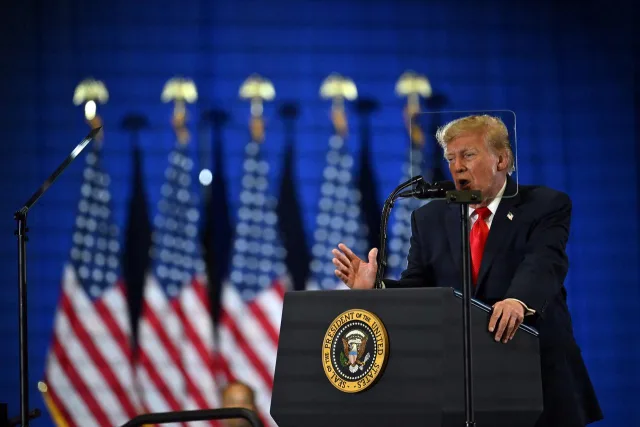
The mother of all bombs is not nuclear…This is just an extremely large bomb,
President Donald Trump said during an interview with Newsmax, addressing mounting international concern over whether Washington will deploy its most destructive conventional weapon against Iran. Following reports that American military planners have prepared strike options targeting Iranian energy infrastructure and nuclear sites, the administration faces a high-stakes calculation about escalating a months-long conflict that has already defied repeated diplomatic efforts at peace.
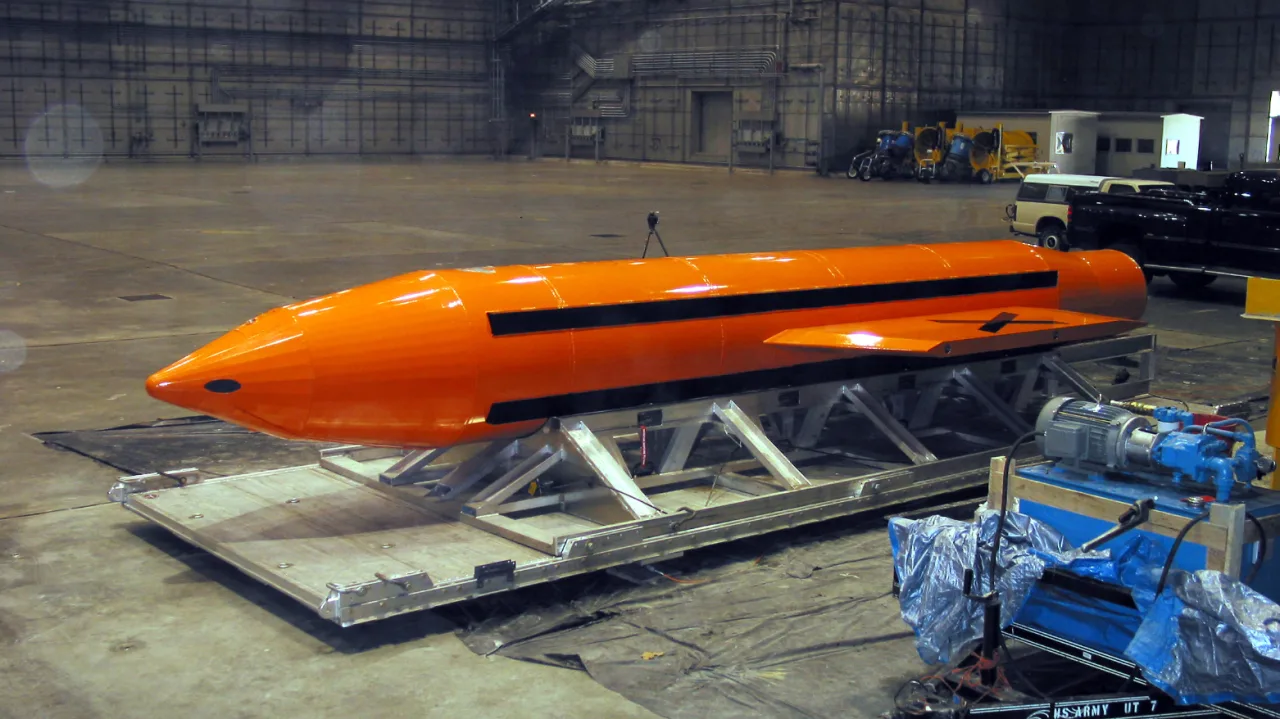
The core question for strategists and regional observers is whether a GBU-43/B Massive Ordnance Air Blast, known familiarly as the MOAB, can achieve its military objectives against deeply buried targets. While American military planners have weighed options involving the weapon against Iranian energy infrastructure and the suspected underground facility known as Pickaxe Mountain, some officials harbor serious doubts about its utility against installations protected by thick layers of granite. That technical limitation forces a hard look at what the weapon is actually built to accomplish.
Weight, Design, and Technical Capabilities of the MOAB
According to the US Air Force, the GPS-guided GBU-43/B weighs approximately 21,600 pounds, or 9,800 kilograms, and relies entirely on conventional explosives rather than nuclear material. Its explosion is commonly estimated at the equivalent of approximately 11 tons of TNT, generating exceptionally powerful blast pressure across a broad area. The device is engineered to destroy surface military bases or energy sites completely rather than bore deeply through rock or reinforced concrete.
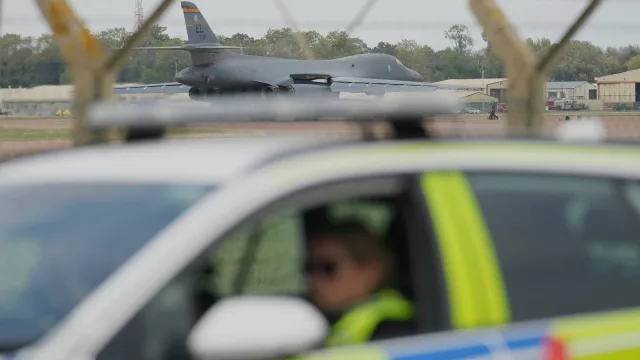
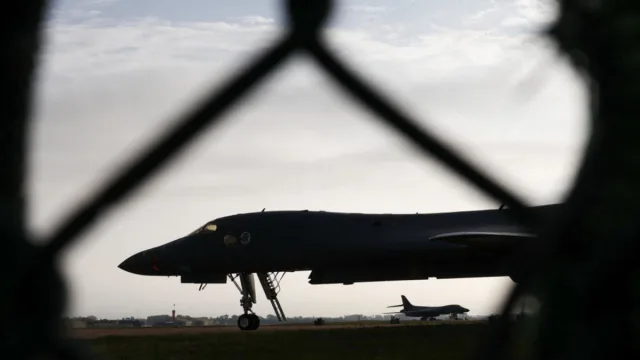
Unlike conventional munitions carried beneath fighter jets, the MOAB is deployed from a C-130-family transport aircraft, resting on an airdrop platform before being extracted to use satellite guidance and control fins toward its designated target. The Air Force Research Laboratory began developing the bomb in late 2002 at Eglin Air Force Base in Florida ahead of the US-led liberation of Iraq as a GPS-guided successor to the BLU-82 Daisy Cutter. That operational design makes its effects potentially devastating against exposed positions, personnel, equipment, and defensive obstacles, but leaves open questions about hardened subterranean targets.
- Late 2002: Development begins at Eglin Air Force Base in Florida by the Air Force Research Laboratory.
- March 11, 2003: The first full-scale MOAB test takes place, producing a mushroom-shaped cloud reportedly visible from 20 miles away.
- April 2003: The weapon is deployed to the region ahead of the Iraq War but is not used in the conflict.
- April 13, 2017: The MOAB sees its first confirmed combat use when US forces drop one on an ISIS-K tunnel complex in Achin district, Afghanistan's Nangarhar province.
- June 2025: US B-2 bombers employ GBU-57 Massive Ordnance Penetrator weapons against Iranian nuclear facilities during Operation Midnight Hammer.
- October 15, 2026: CNN reports that American military planners have prepared options involving the MOAB against Iranian energy infrastructure and nuclear sites.
That leaves Washington with a fundamental capability gap. The US military maintains a heavier 30,000-pound weapon, the GBU-57 Massive Ordnance Penetrator, engineered specifically to penetrate hardened underground structures before exploding. CNN reported that some US officials doubt a MOAB strike could reach suspected infrastructure beneath Pickaxe Mountain, pointing to a mismatch between weapon design and target geology.
Strategic Risks and Regional Fallout
President Trump ruled out using nuclear weapons against Iran during his Newsmax interview, stating, No, I wouldn't use nuclear. We don't have to,
while avoiding direct confirmation of an order to deploy the MOAB. That political framing highlights an administration attempting to signal conventional resolve without crossing the nuclear threshold. Yet military analysts caution that spectacle does not equal strategic success, particularly when dealing with well-fortified adversaries.
- Iranian military and political leadership facing potential strikes on energy infrastructure and nuclear sites.
- Civilians living near energy installations or populated areas exposed to the risk of severe collateral damage.
- US and allied forces in the region potentially bracing for retaliation from Tehran.
- World leaders and international observers monitoring the escalating conflict following reports of failed peace talks.
The strategic calculus extends far beyond the immediate blast zone. Using the MOAB against Iran would represent a major escalation in conventional firepower, risking retaliation from Tehran and deepening a regional crisis. As military planners weigh options following the reported failure of peace talks, the administration must decide whether surface-level devastation justifies the escalatory risks of deployment.
The reported consideration of the MOAB reveals an administration searching for psychological and physical impact without resorting to nuclear options, even as experts warn that surface blasts cannot reach deep subterranean targets. How Washington bridges that gap between conventional spectacle and subterranean fortification will define the next phase of the conflict.