Cargo ship sinks in Strait of Hormuz after hitting naval mine
The container ship GFS Pride sank in the Strait of Hormuz after being struck by a projectile, marking an escalation in attacks that have disrupted oil flows.
- Headline: Cargo ship sinks in Strait of Hormuz after hitting naval mine
- Dispatch Summary: The container ship GFS Pride sank in the Strait of Hormuz after being struck by a projectile, marking an escalation in attacks that have disrupted oil flows.
- Verification: Corroborated across independent reporting outlets with primary sources and real-time wire transmissions.
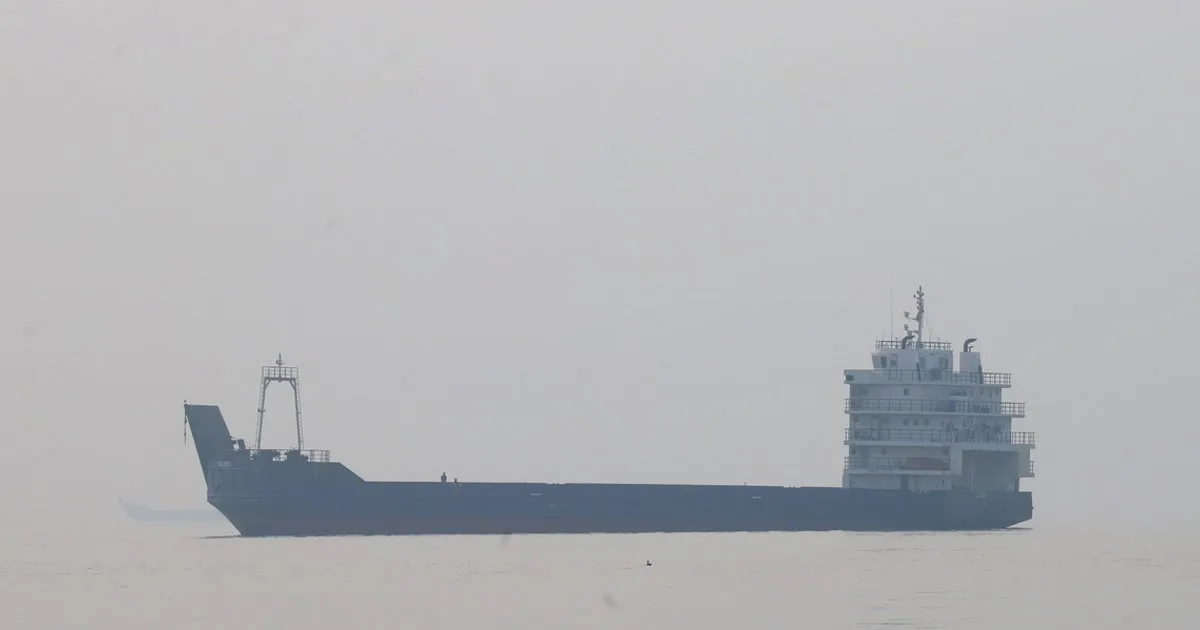
A Singapore-flagged container ship sank in the Strait of Hormuz on Wednesday after being struck by a projectile, marking a sharp escalation in maritime warfare that has pushed attacks in the vital trade corridor to their highest daily toll since the conflict began. While the United States military insists that American forces and regional partners maintain control of the passage, shipping data shows that commercial traffic has plummeted as Tehran deploys new tactics to thwart a recovery in global oil flows.
The sunken vessel was identified by maritime security sources as the GFS Pride, a small container ship with a capacity for 2,824 twenty-foot equivalent units operated by the United United Arab Emirates-based manager GFS Ship Management FZE. State television quoted a statement from Iran's Revolutionary Guard Corps navy asserting that the ship was traveling on an illegal and dangerous route when it struck a naval mine Wednesday morning. The vessel was carrying 2,500 containers, and state broadcasts showed the ship tilted in the water and spewing a thick plume of smoke. However, the maritime security firm Marisks noted that there is no independent evidence to confirm that a mine caused the sinking, suggesting Tehran's account is consistent with a psychological operations campaign aimed at generating fear and discouraging commercial shipping.
Strait Security and the Rising Toll on Seafarers
The incident involving the GFS Pride is part of a broader surge in violence that has alarmed international regulators and maritime authorities. According to data from security firm Vanguard, the International Maritime Organization, and the British maritime agency UKMTO, at least ten vessels have been attacked in or near the Strait of Hormuz since Oct 11. Four vessels were struck on Oct 13 and six on Oct 11, marking the highest daily toll since the conflict began.
A second Singapore-registered container ship, the GFS Giselle, sustained hull damage after being hit by an unidentified projectile on Wednesday, though it reached safe anchorage with no crew injuries reported. For the GFS Pride, all 21 crew members were safely evacuated, according to the Maritime and Port Authority of Singapore, which issued a sharp rebuke. Such attacks are unprovoked, unjustifiable, and a breach of international law,
the authority said.
The International Maritime Organization reports that the loss of the GFS Pride marks the second vessel to sink since the US-Iran war began on February 28. A separate bulk carrier, the Antigua and Barbuda-flagged Cape Dao, was reported to be sinking close to the strait following an unsuccessful rescue attempt after it was originally struck on September 23. In total, 24 seafarers have died in incidents near the strait since the conflict began, with two additional sailors reported missing this month.
Tactics, Oil Flows, and the U.S. Midterm Elections
Before the war on Iran, around 125 to 140 large commercial vessels traversed the Strait of Hormuz daily before traffic came to an effective standstill on February 28 when the United States and Israel launched coordinated military airstrikes across Iran. While shipments partially rebounded to near pre-war levels at the start of October, they have since retreated as attacks intensified. Data from Kpler shows that crude oil exports through Hormuz averaged 8.5 million barrels per day in the week ended Oct. 12, nearly 40% below normal levels before the Iran war.
Vanguard analyst Barun Gupta told AFP that the recent uptick in attacks is designed to disrupt the recovery of Gulf oil flows and impose costs on commercial shipping. Two senior Iranian officials confirmed that Tehran is deploying new tactics to keep oil prices high and influence the U.S. midterm elections, explicitly stating that they will not allow U.S. President Donald Trump to bring down prices before November. Just when they think they are getting close to the point where prices will fall, we will push them away from it. This is a game of chess,
the second official said. Such vessels would be safe nowhere, even outside the Strait of Hormuz.
Contrasting sharply with Tehran's claims, the U.S. Central Command rejected suggestions that Iran controls the strait. IRGC's navy commander has no navy. American forces and regional partners clearly control the Strait of Hormuz. Just yesterday U.S. forces assisted Gulf partners in shipping more than 19 million barrels of crude oil through the strait,
U.S. Central Command said in a post on X on Tuesday.
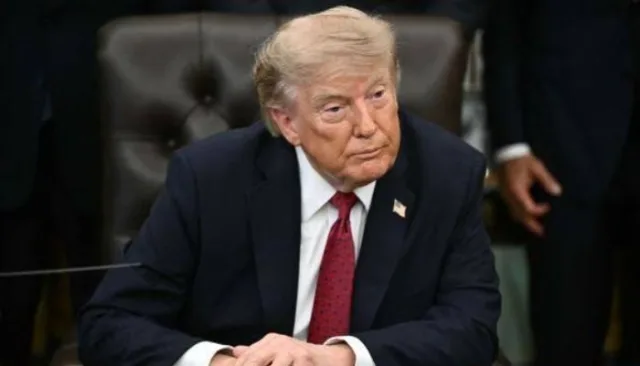
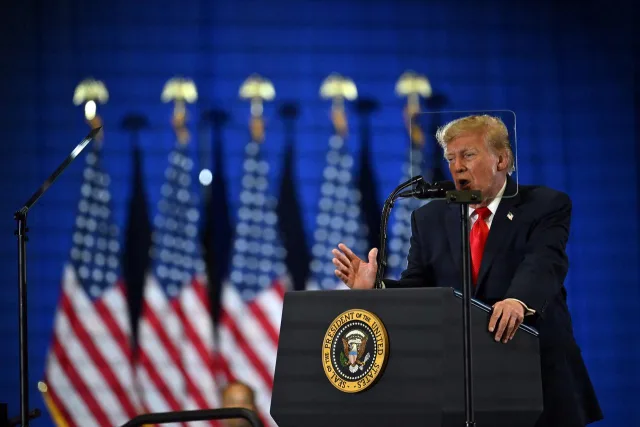
President Trump warned outside the White House that Washington will decide its next move very soon regarding Iran, calling it a failed country with no economy. Wait till you see what we do to Iran. We’re going to do a number… wait till you see what we do to Iran, because we’ve sort of had it,
Trump said at a campaign rally.
- September 23: The Antigua and Barbuda-flagged bulk carrier Cape Dao is struck by a projectile.
- October 10: The United States reports striking a cargo vessel as part of its embargo on Iranian ports.
- October 11: Six vessels are struck in or near the Strait of Hormuz, the highest daily toll of the conflict.
- October 13: Four additional vessels are struck by projectiles in the passage.
- October 14: Security data shows total attacks reaching at least ten incidents over a four-day span.
- October 15: The Singapore-flagged GFS Pride and GFS Giselle are hit, with the Pride sinking and its 21 crew members evacuated.
Diverging Assessments of Passage Vulnerability
| Metric or Source | Iranian Official Position | U.S. and Maritime Data Position |
|---|---|---|
| Strait Control | Iran maintains approval authority and threatens unauthorized routes. | U.S. Central Command states American forces and partners control the waterway. |
| Cause of Sinking | Revolutionary Guard claims the GFS Pride struck a naval mine on an illegal route. | Maritime security firm Marisks attributes the claim to psychological operations, noting no independent proof of a mine. |
| Export Volumes | Aims to keep oil prices high and choke off recovery. | Flows dropped to 8.5 million barrels per day, down nearly 40 percent. |
Meanwhile, Mohammad Bagher Qalibaf, the speaker of Iran's parliament, stated in a televised speech that his country must remain prepared for war even while negotiating with the United States. They break their promises,
Qalibaf said, adding that sustainable deterrence requires fighting courageously against a bullying enemy. As regional tensions compound—highlighted by an overnight Houthi strike that damaged the Dhahran headquarters of Saudi state-owned oil company Aramco—observers and market participants await Washington's promised decision.
The next major focal point is the anticipated announcement from the White House regarding potential U.S. military actions in response to the Houthi strikes and escalation in the Strait of Hormuz, with President Trump signaling that a decision on Iran will be made very soon.