PM Modi launches Nasha Mukt Yuva campaign
Prime Minister Narendra Modi launched a 100-week nationwide campaign to mobilize over 1 crore youth against substance abuse, supporting the vision of a developed India.
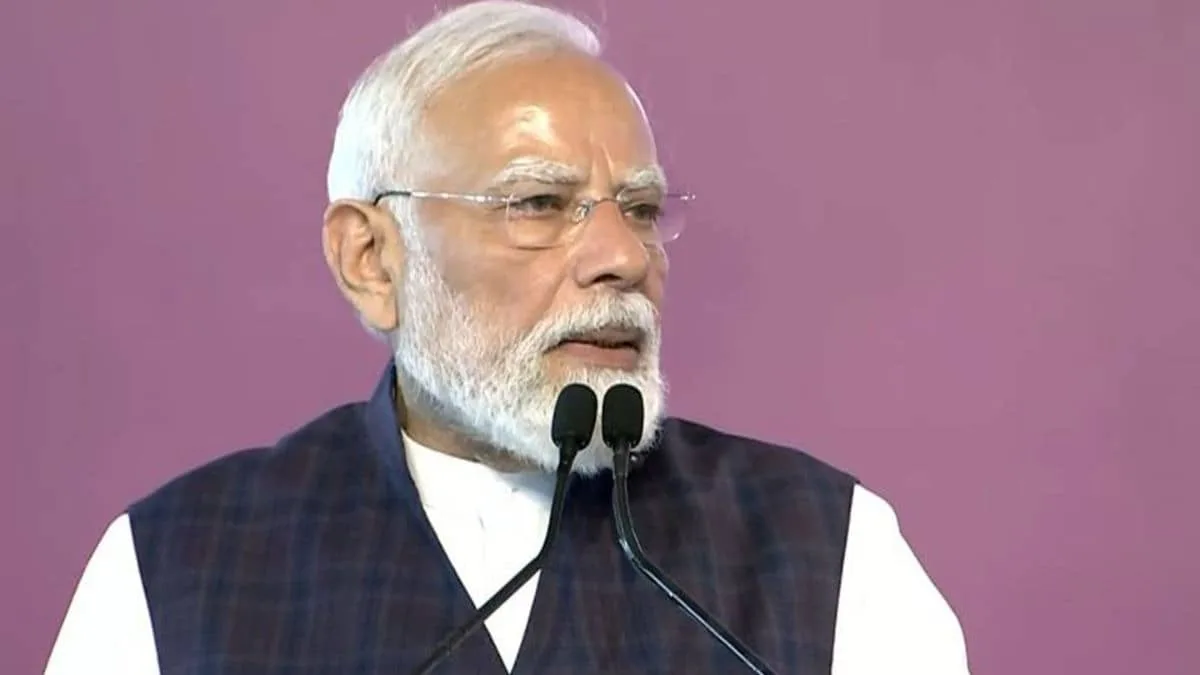
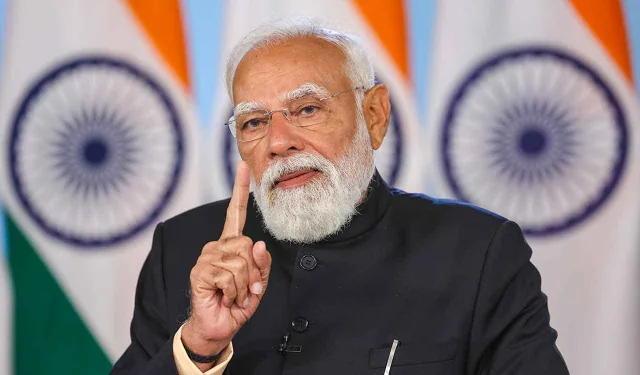
Prime Minister Narendra Modi launched the 'Nasha Mukt Yuva for Viksit Bharat Sankalp Abhiyan' on August 2, 2026, through a video conference, marking the start of a 100-week nationwide campaign against substance abuse. The initiative, described as a 'Jan Bhagidari' (people’s participation) movement, aims to mobilize over 1 crore (10 million) youth across 10,000 locations to pledge against drug use and promote awareness through weekly activities.
Launch Details and Campaign Structure
The campaign was launched as a nationwide extension of a pilot project initiated in Kashi (Varanasi) in 2025. Modi emphasized that the movement is designed to benefit individuals, families, society, and the nation, with weekly activities planned every Sunday. These include sports events, walkathons, meditation sessions, cultural programs, and community engagement initiatives. The Prime Minister stated that the campaign’s name itself reflects its purpose: "Drug-free youth are essential for Viksit Bharat."
Modi highlighted the role of collective action in combating substance abuse, noting that individual efforts often lead to frustration but that unity can inspire greater energy. He urged families to address drug addiction openly, warning that it destroys careers, disrupts family life, and undermines national strength. The campaign also includes participation from over 125 spiritual organizations, educational institutions, NGOs, and youth groups.
Official Statements and Key Themes
Union Minister Mansukh Mandaviya, addressing the launch, reiterated that a developed India requires healthy citizens. He linked the campaign to Modi’s 2020 declaration to make India drug-free, calling the initiative a step toward achieving "Nasha Mukt Bharat." Modi himself linked the campaign to the broader vision of Viksit Bharat 2047, stating that healthy, self-confident youth are critical to national progress.
The Prime Minister also warned that drug addiction diverts individuals from their goals and weakens societal strength. He called for early identification of warning signs, such as social isolation or behavioral changes, and urged educators to conduct awareness campaigns in schools and colleges. Over 1 crore youth participated in the event, with involvement from state governors, chief ministers, and volunteers across 10,000 locations.
Timeline and Future Plans
The campaign follows a pilot phase in Kashi, where the Kashi Declaration provided a roadmap for the initiative. Modi noted that the movement, born in Kashi, has now evolved into a national mission. The 100-week campaign will include recognition for volunteers and organizations at the 50th, 75th, and 100th week milestones. Weekly activities will focus on building a drug-free society, with an emphasis on youth leadership as "ambassadors of positive social change."
The initiative aligns with Modi’s vision of Viksit Bharat 2047, which emphasizes the role of youth in national development. Campaign organizers described "drug-free youth as the greatest strength of Viksit Bharat," aiming to embed this message across the country through public participation and community engagement.
Divergent Emphases Across Sources
While all sources agree on the campaign’s launch date and core objectives, some highlight unique aspects. For example, indiatvnews.com and republicworld.com emphasize the role of spiritual organizations and the Kashi Declaration, whereas telanganatoday.com and freepressjournal.in focus on the 2047 vision and the 10,000-location participation. newsonair.gov.in details Modi’s warnings about the societal impact of drug addiction, while freepressjournal.in notes the recognition of contributors at milestone weeks.
The campaign’s emphasis on weekly activities and long-term engagement underscores its strategic approach to sustained awareness. However, no sources provide specific data on past drug abuse rates or comparative success metrics for similar initiatives.
Dateline Wire is dedicated to independent, evidence-backed reporting. This briefing was synthesized from primary source reporting, corroborated across independent newsrooms, and verified against our Editorial Standards.