PM Narendra Modi launches ‘Nasha Mukt Yuva for Viksit Bharat Sankalp Abh…
Prime Minister Narendra Modi launched a 100-week nationwide campaign to combat substance abuse and foster a drug-free society for India's youth.
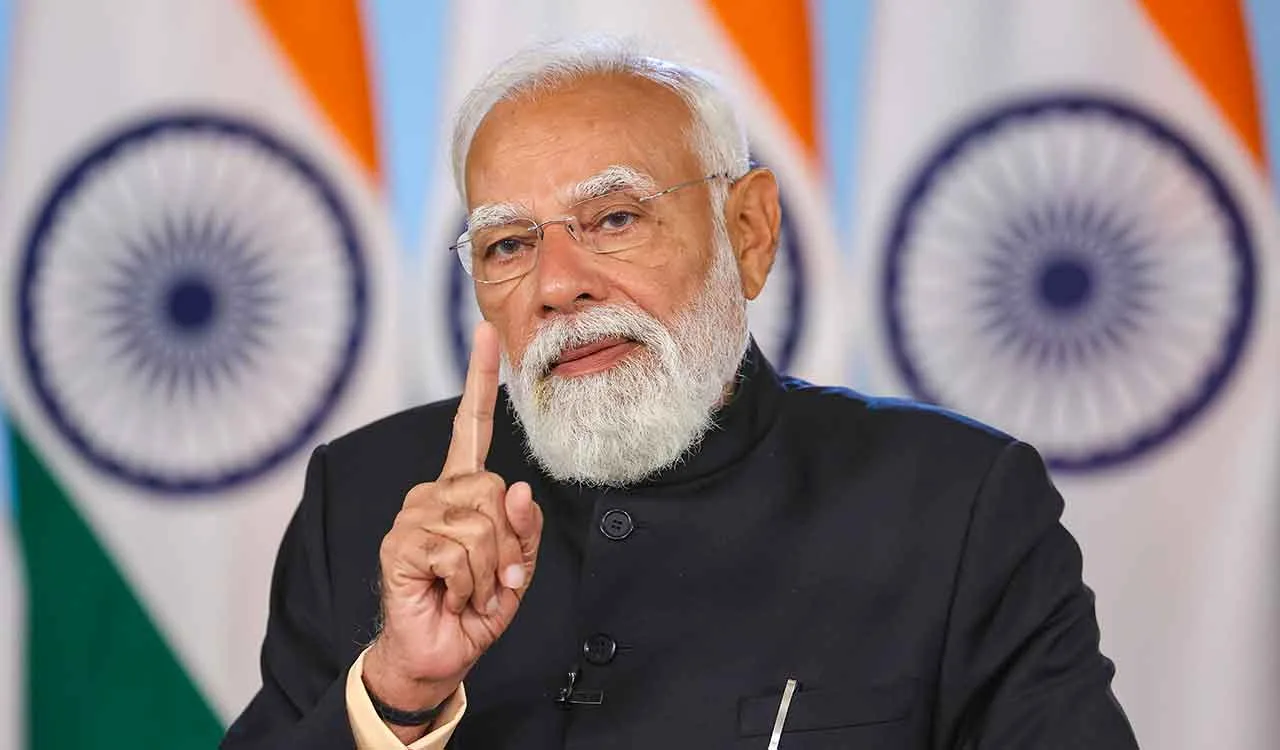
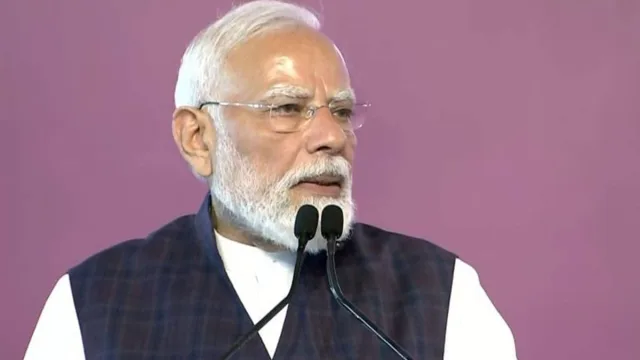
Prime Minister Narendra Modi launched the “Nasha Mukt Yuva for Viksit Bharat Sankalp Abhiyan” on August 2, 2026, a 100-week nationwide campaign targeting substance abuse among India’s youth. The initiative, described as a “Jan Bhagidari” (people’s participation) effort, aims to foster a drug-free society through weekly awareness activities, community engagement, and educational outreach. The virtual event, attended by over 1 crore participants, included representatives from schools, colleges, NGOs, spiritual organizations, and state leaders, as reported by newsonair.gov.in and uniindia.com.
Modi emphasized that achieving a “Viksit Bharat” (developed India) requires a physically and mentally healthy youth population. He warned that drug addiction “diverts people from their goals” and “destroys families,” urging families to seek medical help rather than conceal substance abuse due to stigma. “Drug use disturbs focus, takes you away from dreams,” he said, adding that “hostile nations conspire to drag our youth into the trap of addiction,” according to timesofindia.indiatimes.com. Modi also highlighted the short-term allure of drugs, stating, “Drugs can give you brief high but make your entire life low,” as noted in msn.com.
100-Week Nationwide Campaign Begins
The campaign, which officially starts on August 2, 2026, will feature weekly activities every Sunday, including sports events, meditation sessions, cultural programs, and awareness drives. These efforts are intended to “build a drug-free society” through collective action. The government described the initiative as a continuation of a 2020 pilot project launched in Varanasi (Kashi), which evolved into the “Kashi Declaration” roadmap for national implementation, as detailed in livemint.com and timesofindia.indiatimes.com.
Modi highlighted the role of youth as “ambassadors of positive social change,” urging them to lead the movement. “You are India’s Amrit Peedhi,” he said, referring to the generation shaping the nation’s future. “You will lead the country to the goal of a Viksit Bharat in 2047.” The campaign also includes district-level competitions in categories like folk songs, short films, and debate, culminating in a National Nasha Mukti Youth Conclave on August 14, 2026, as outlined in livemint.com.
Modi’s Remarks on Drug Threats
Modi framed drug trafficking as part of a “terror plan” by “enemy nations” to weaken India. “Drugs part of enemy nations’ terror plan to hurt India,” he stated, linking substance abuse to broader national security concerns. He also criticized the short-term allure of drugs, saying they “give you brief high but make your entire life low,” as reported in msn.com. The Prime Minister called for stricter enforcement against drug traffickers, noting increased arrests and seizures of drugs worth “thousands of crores of rupees,” according to timesofindia.indiatimes.com.
Modi urged educational institutions to integrate anti-drug awareness into campus life, saying teachers and professors must “discuss the dangers of drug abuse” with students. “Your efforts can bring big results,” he said, per uniindia.com. He also emphasized the importance of open family dialogue, advising parents to “create an environment where children can freely discuss their concerns,” as cited in uniindia.com.
Participation and Partnerships
The launch saw participation from over 10,000 locations across India, including MY Bharat volunteers, National Service Scheme (NSS) participants, and 125 spiritual organizations. Modi praised the “spiritual energy” of the campaign, which combines scientific approaches with “yoga and meditation” to strengthen resilience against addiction, as noted in livemint.com and uniindia.com. He also emphasized the importance of rehabilitation centers and community support in helping those already affected by addiction, stating, “We must save every young person from getting trapped in addiction,” according to uniindia.com.
Officials described the campaign as a “people’s movement,” leveraging partnerships between youth groups, civil society, and industry bodies. The government highlighted the role of rehabilitation centers and community support in helping those already affected by addiction. “We must save every young person from getting trapped in addiction,” Modi said, adding that “doors are not closed” for those struggling with substance abuse, as per uniindia.com.
Context and Next Steps
The campaign follows recent student protests demanding educational reforms, though no direct link was made in the sources. The government framed the initiative as part of its broader vision for national development, aligning with Modi’s 2047 “Viksit Bharat” goal. The next phase includes the National Nasha Mukti Youth Conclave, where participants will be recognized for their contributions to the cause, as outlined in livemint.com.
The emphasis on grassroots engagement and multi-sectoral collaboration suggests a focus on sustained public participation. The campaign’s success will likely depend on continued funding, policy enforcement, and the ability to shift cultural attitudes toward drug use and recovery, as noted in the sources.
Dateline Wire is dedicated to independent, evidence-backed reporting. This briefing was synthesized from primary source reporting, corroborated across independent newsrooms, and verified against our Editorial Standards.