Judge blocks Trump media ban and orders White House press access restored
A federal judge temporarily halted the ban on CNN, MS Now, and Politico from the White House, ordering their press credentials restored.
- Headline: Judge blocks Trump media ban and orders White House press access restored
- Dispatch Summary: A federal judge temporarily halted the ban on CNN, MS Now, and Politico from the White House, ordering their press credentials restored.
- Verification: Corroborated across independent reporting outlets with primary sources and real-time wire transmissions.
A federal judge on Thursday temporarily blocked President Donald Trump’s ban on three news outlets from White House coverage, ordering the immediate restoration of their press credentials and accusing the administration of failing to follow due process. The decision, issued by U.S. District Judge Timothy Kelly, halted the president’s effort to exclude CNN, MS Now, and Politico from the White House complex, which he had announced on September 18, 2026.
Judge questions national security rationale, cites due process violations
In a ruling issued shortly after midnight on September 24, 2026, Judge Kelly granted a temporary restraining order to the three news organizations, which had filed a lawsuit alleging their First Amendment rights were violated when their press passes were revoked. The judge expressed skepticism about the Trump administration’s claim that the ban was motivated by national security concerns, noting that “nothing in the record that predates this suit suggests that the revocation of Plaintiffs’ hard passes was motivated by national security concerns.”
The Justice Department had argued in court filings that access to the White House is a “privilege” and that the president has the authority to revoke it for reasons including “professionalism” and “decorum.” In a letter to the outlets, the administration cited specific reports it claimed “threatened national security” or “spread falsehoods,” including CNN’s coverage of White House infrastructure, MS Now’s reporting on a leak investigation, and Politico’s analysis of Secret Service spending. However, Kelly pointed out that the journalists who authored those stories did not hold hard passes, and the administration provided no evidence linking the reporting to actual security risks.
The judge also criticized the process used to revoke the credentials, stating that the outlets were not given prior notice or an opportunity to respond. “Before a journalist’s White House hard pass was suspended or revoked, that journalist was entitled to pre-deprivation notice and an opportunity to be heard,” he wrote, referencing past legal precedents.
DOJ defends ban as necessary to uphold standards
The Department of Justice maintained that the ban was justified under the president’s authority to manage access to the White House. In a filing, lawyers for the administration argued that the three outlets had “failed to satisfy the minimum requirements of professionalism” by relying on anonymous sources and publishing “classified or sensitive national security information.” They also claimed the outlets had violated “decorum” by “trafficking in verifiable falsehoods.”
Trump himself had framed the ban as a response to “fake news,” stating in a social media post that the outlets “shouldn’t be able to constantly write or report FICTION and LIES.” However, the judge noted that the president’s public statements focused on the outlets’ “alleged lack of truthfulness and negativity” rather than security concerns, suggesting a potential “viewpoint discriminatory” motive.
The Justice Department has indicated it will appeal the ruling, with Trump signaling support for the move. The administration’s appeal could determine whether the 14-day restraining order is extended or lifted, though the judge’s skepticism of the ban’s rationale may complicate its legal standing.
Press pool disrupted, allies rally in support
The ban had immediate logistical consequences, particularly for the White House television press pool. CNN’s exclusion from the group — which includes CBS News, ABC News, NBC News, and Fox News — prompted the other networks to suspend the pool’s coverage of Trump’s travels. This disrupted the distribution of footage from the president’s events, including his trip to the United Nations General Assembly in New York.
Press freedom groups and media outlets also rallied behind the banned organizations. A coalition including the Reporters Committee for Freedom of the Press, Reuters, and the Washington Post filed a friend-of-the-court brief arguing that the ban “violates decades of Supreme Court jurisprudence” by targeting journalists based on their editorial views. The brief emphasized that “stripping journalists and news outlets of their rights because of perceived editorial viewpoint” undermines constitutional protections.
The judge ruled that CNN, Politico, and MS Now were “likely to succeed” in showing the White House had not exercised “adequate due process” in implementing the ban. He also cast doubt on the Trump administration’s arguments that the bans were motivated by national security concerns, pointing out the president made no mention of that in his initial announcement. The ruling continued: “The record lacks factual support for Defendants’ contention that the revocation of Plaintiffs’ hard passes will in fact protect national security or that national security will be endangered if the Court orders their passes reinstated while this litigation proceeds.”
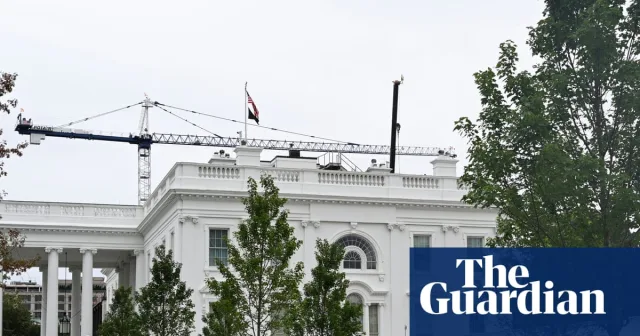
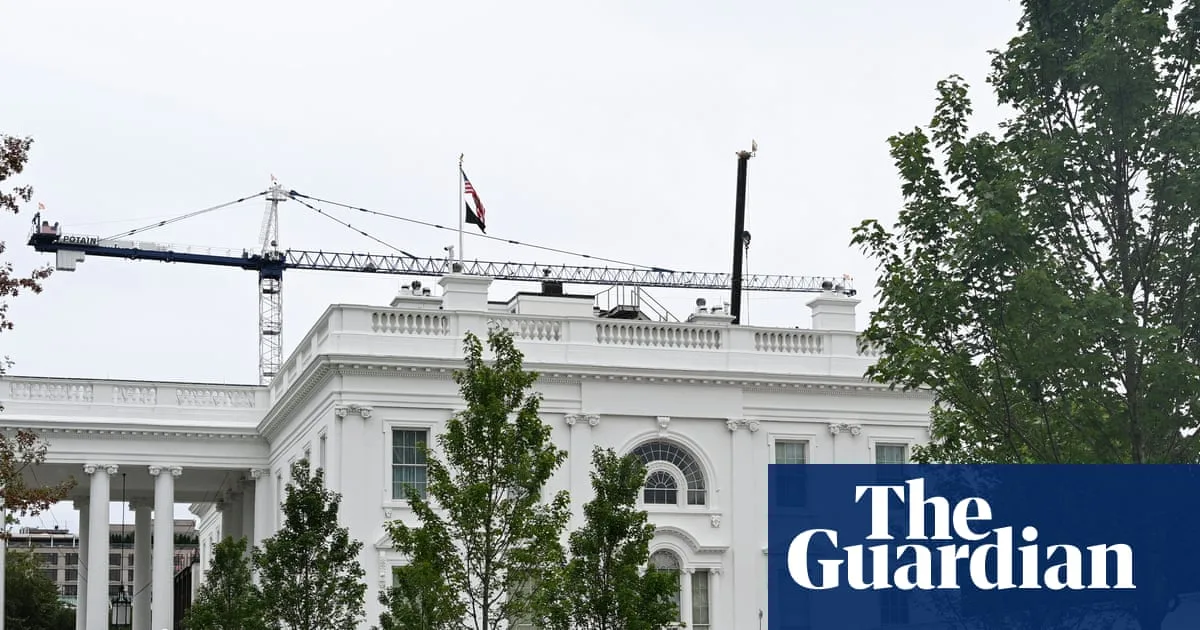
In its defense of the ban, the Trump administration cited a number of articles published by the outlets, including some about construction at the White House, including work on a new ballroom. The judge said that “in most cases” the stories the White House took issue with were written by journalists who “did not even hold card passes”, and in the remaining cases, the Trump administration did not demonstrate “reason to believe that the reporter’s possession of the hard pass was integral to the stories identified.”
In a statement, Ted Boutrous, the lawyer representing the news outlets, said, “This is a strong ruling vindicating freedom of the press, due process, and the rule of law.”
Forty-nine media organizations, including CBS News, The New York Times, and Fox News, also filed a legal brief in support of CNN, MS Now, and Politico’s lawsuit. The White House has yet to comment on the ruling, and lawyers acting for the president may choose to take further legal action.
The case underscores the tension between executive authority and press freedoms, with the judge’s skepticism of the administration’s rationale suggesting a potential legal challenge to the president’s power to restrict media access. As the 14-day period unfolds, the dispute will remain a focal point for debates over the limits of presidential control over the press and the constitutional protections afforded to journalists.
How significant is this wire dispatch?
Cast your anonymous vote to register reader consensus across journalism and intelligence sectors.
Dateline Wire is dedicated to independent, evidence-backed reporting. This briefing was synthesized from primary source reporting, corroborated across independent newsrooms, and verified against our Editorial Standards.