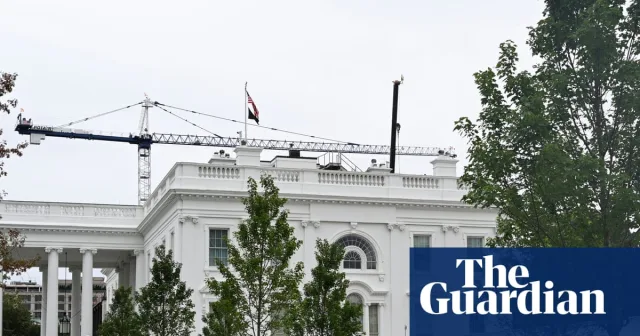
CNN, MS NOW and Politico reporters allowed back into White House after j…
Journalists from CNN, MS NOW, and Politico have returned to the White House after a federal judge ruled their credential revocation lacked constitutional due process.
- Headline: CNN, MS NOW and Politico reporters allowed back into White House after j…
- Dispatch Summary: Journalists from CNN, MS NOW, and Politico have returned to the White House after a federal judge ruled their credential revocation lacked constitutional due process.
- Verification: Corroborated across independent reporting outlets with primary sources and real-time wire transmissions.
Judge Orders Reinstatement After Due Process Concerns
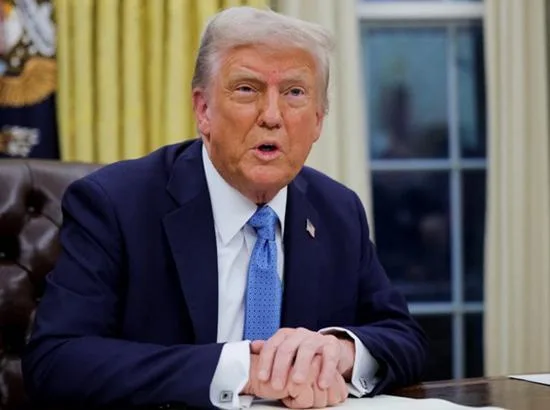
A federal judge on Thursday ordered the Trump administration to restore press access for CNN, MS NOW, and Politico to the White House, ruling that the outlets’ credentials had been revoked without constitutionally adequate due process. The decision came hours after journalists from the three networks were initially barred from entering the complex, despite the court’s earlier directive. U.S. District Judge Timothy Kelly, who was appointed by Trump during his first term, issued a temporary restraining order halting the ban, which had been imposed on September 18. The judge found that the White House had failed to provide the outlets with notice or an opportunity to challenge the revocation of their press badges, violating longstanding legal precedents. “Individuals must receive notice and an opportunity to be heard before the Government deprives them of a constitutionally protected interest,” Kelly wrote, citing case law from the U.S. Court of Appeals for the District of Columbia. The outlets had sued the administration, arguing that the ban — announced via a social media post by Trump — was a First Amendment violation targeting their critical coverage. The president had claimed the outlets’ reporting posed a national security risk, but Kelly was skeptical of this justification. “The record does not support that the revocation of Plaintiffs’ hard passes was motivated by national security concerns,” the judge wrote, noting that Trump’s initial statements focused on the outlets’ “lack of truthfulness and negativity.”White House Initially Ignored Court Order, Confiscated Credentials
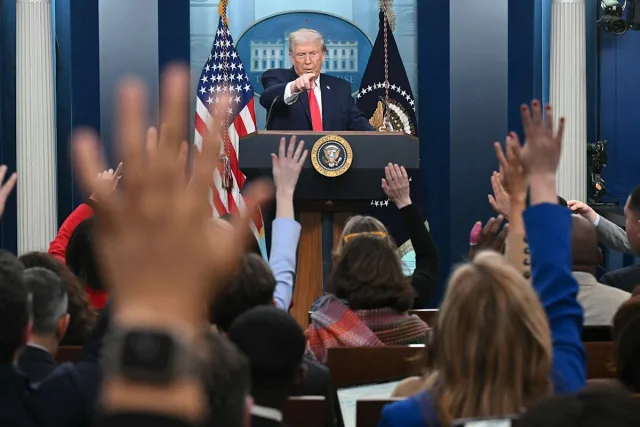
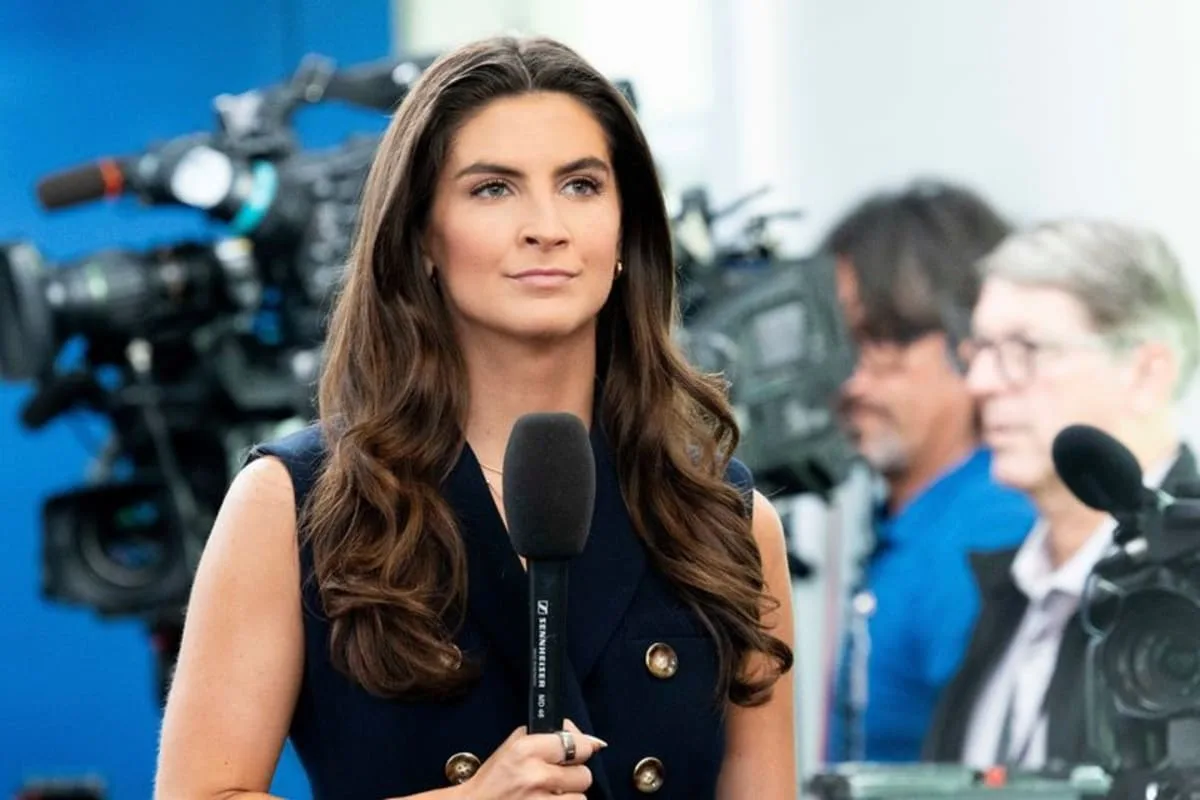
Despite the judge’s ruling, the White House appeared to delay compliance, with Secret Service agents confiscating credentials and barring journalists from entering the complex on Thursday. Reporters from the three networks were turned away as they attempted to return to the White House grounds, prompting the outlets to file emergency court documents alleging the administration had “repeatedly violated” the order. In a sworn statement, Micah Stopperich, the White House director of press operations, claimed that access was restored by 9:07 a.m. on Thursday, with badges reactivated and confiscated passes available for pickup. However, journalists reported being denied entry until midday, with some having their credentials taken for the first time. CNN’s Kaitlan Collins, who had previously criticized Trump for labeling her a “sleazebag” in a social media tirade, tweeted that she was allowed back into the White House at noon, with MS NOW and Politico reporters following shortly after. The delay underscored tensions between the administration and the press, as well as the broader legal implications of the case. The judge’s order was in effect for 14 days, with a preliminary injunction hearing scheduled to determine the long-term status of the ban.Trump’s Ban Sparked National Outcry and Press Solidarity
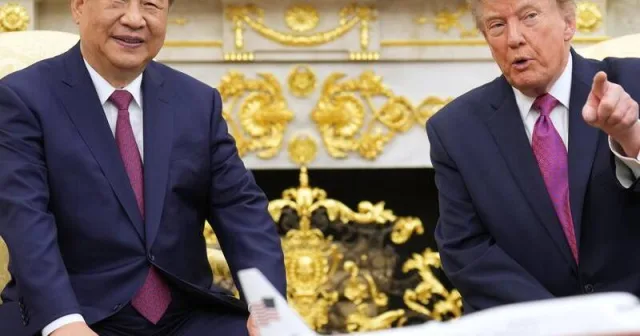
Trump’s decision to ban the three outlets was framed as a response to what he called “fake news,” but it drew sharp criticism from lawmakers, press freedom advocates, and other media organizations. The president had posted an AI-generated image on Truth Social showing the outlets’ logos in trash bags outside the White House, a move that drew widespread condemnation. The image was later removed, but the controversy intensified as the outlets’ journalists continued to cover Trump’s activities, including his meeting with Chinese President Xi Jinping. The ban also disrupted the White House television pool, a system where five networks, ABC, CBS, CNN, Fox, and NBC, share footage of the president. CNN’s exclusion from the pool led the other four networks to halt coverage of the White House in solidarity, a rare move that highlighted the stakes of the legal battle. The networks argued that the ban threatened the public’s right to “accurate, independent information about its government.”Legal Arguments Over National Security and Press Rights
The Trump administration defended the ban by citing national security concerns, with the Department of Justice alleging that the outlets had published “verifiable falsehoods” and “sensitive or classified information.” In court filings, the administration claimed that access to the White House was a “privilege, not a right,” and that the president had the authority to restrict it. However, Judge Kelly dismissed these arguments, noting that the White House had not provided clear standards for revoking press credentials and had delayed notification to the outlets. The judge also criticized the administration’s post-hoc justification for the ban, which cited national security only after the lawsuit was filed. “It seems as if a light bulb went off” in the administration, said attorney Theodore J Boutrous Jr., who represented the outlets. Boutrous argued that the president’s actions were motivated by content-based discrimination, not legitimate security concerns, and that the First Amendment protected the outlets’ right to report on government activities.Frequently Asked Questions
Frequently Asked Questions
How long is the judge’s order in effect?
The temporary restraining order reinstating press access for CNN, MS NOW, and Politico is in effect for 14 days, with a preliminary injunction hearing scheduled to determine the long-term status of the ban.
What legal standards did the judge use to rule against the ban?
Judge Timothy Kelly cited due process requirements established in prior cases, including Karem v. Trump (2022) and Sherrill v. Knight (1977), which hold that journalists must receive notice and an opportunity to challenge the revocation of their press credentials before being barred from the White House.
What impact did the ban have on press coverage?
The ban disrupted the White House television pool, leading four networks, ABC, CBS, NBC, and Fox, to suspend coverage of the president in solidarity with CNN. The move highlighted concerns about the administration’s ability to restrict press access and limit public scrutiny of government actions.
The case remains unresolved, with the Trump administration signaling plans to appeal the judge’s decision. Meanwhile, the reinstatement of press access underscores the ongoing tension between executive authority and constitutional protections for the press. As the legal battle continues, the outcome could set a precedent for how future administrations manage relationships with media outlets deemed critical of their policies.
How significant is this wire dispatch?
Cast your anonymous vote to register reader consensus across journalism and intelligence sectors.
Dateline Wire is dedicated to independent, evidence-backed reporting. This briefing was synthesized from primary source reporting, corroborated across independent newsrooms, and verified against our Editorial Standards.