EA Shuts Down BioWare and Cuts 400 Jobs, Next Mass Effect Cancelled
Electronic Arts is shutting down legendary RPG studio BioWare, canceling the next Mass Effect game, and cutting 400 jobs amid a post-buyout restructuring.
- Headline: EA Shuts Down BioWare and Cuts 400 Jobs, Next Mass Effect Cancelled
- Dispatch Summary: Electronic Arts is shutting down legendary RPG studio BioWare, canceling the next Mass Effect game, and cutting 400 jobs amid a post-buyout restructuring.
- Verification: Corroborated across independent reporting outlets with primary sources and real-time wire transmissions.
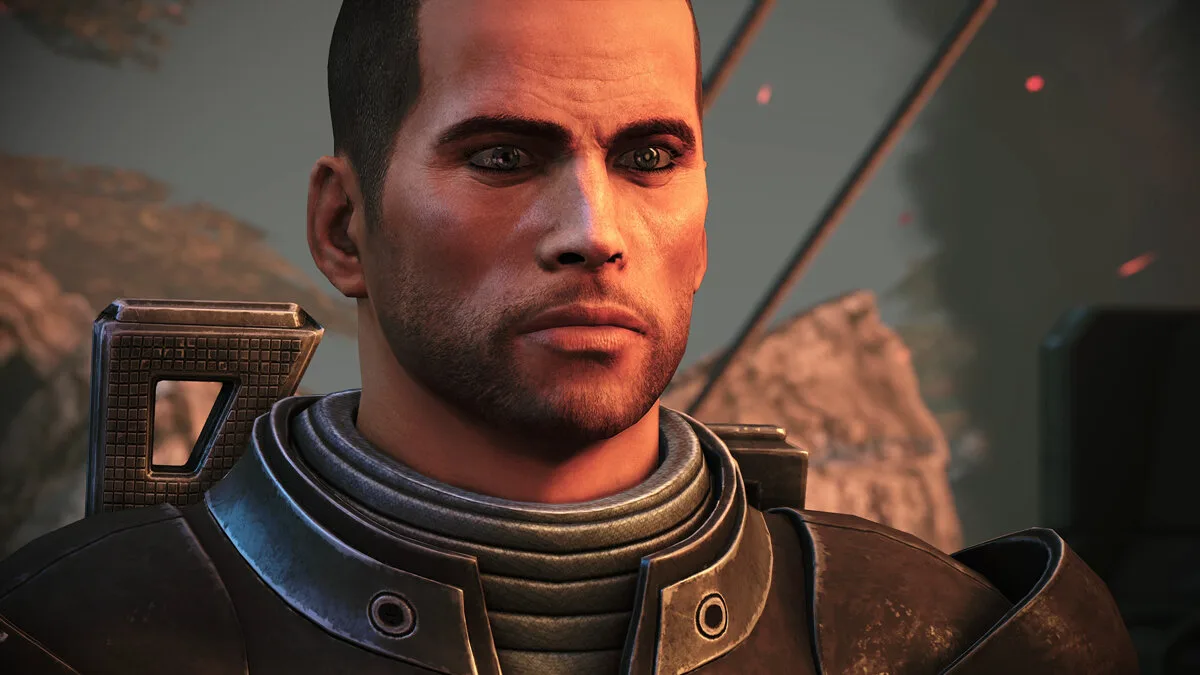
Electronic Arts is shutting down BioWare, the legendary role-playing game studio behind Mass Effect and Dragon Age, while canceling the next installment in the sci-fi franchise and cutting 400 jobs across the company.
The most unexpected development is that the Amazon MGM Studios live-action Mass Effect series remains in development at Amazon MGM Studios despite the studio closure, according to IGN, even as the interactive franchise that inspired it has been brought to a sudden halt.
Three Decades of RPG History End With a Staff Memo
BioWare announced online on Wednesday, October 21, that after more than three decades of shared adventures, it is closing its doors. Bloomberg’s Jason Schreier first reported the cuts, which affect roughly 3% of Electronic Arts' total global workforce, including around 50 roles at the Edmonton, Canada-based studio. The news arrived via an internal staff letter from EA chief operating officer David Tinson and chief studios officer Cam Weber, who wrote that over the past several months, the company has taken a hard look at its business.
Founded in 1995, BioWare made a name for itself with Baldur’s Gate (1998) and Baldur’s Gate 2 (2000), followed by Neverwinter Nights and Star Wars: Knights of the Old Republic. Electronic Arts announced its plans to acquire the developer in 2007, and the deal closed in early 2008. The Edmonton studio achieved its greatest successes with original franchises, most notably the Mass Effect trilogy, which Heise notes is considered a landmark in the genre for its self-created universe and choices that carried across all three games, prompting players to debate decisions and fall in love with characters.
That legacy could not protect the studio from years of declining performance. Mass Effect: Andromeda (2017) received a poor critical reception and sold worse than its predecessors, while the live-service game Anthem (2019) flopped. Following the shutdown of Anthem earlier this year and the late 2024 launch of Dragon Age: The Veilguard missing EA’s sales expectations, BioWare was cut down to a small team in early 2025 to focus on the next Mass Effect. That project, which was in early development with a small team and had been teased for half a decade as returning to the original Milky Way setting hundreds of years after Mass Effect 3, will not move to another EA studio and has been canceled entirely.
That leaves the publisher with sole ownership of two iconic intellectual properties and no active games in development for either of them, signaling a hard pivot away from story-driven single-player role-playing games that take years to build.
The Financial Pressures Behind the $55 Billion Buyout
The restructuring represents the first major overhaul since a consortium comprising Saudi Arabia’s Public Investment Fund (PIF), investment firm Silver Lake, and Jared Kushner’s Affinity Partners completed its $55 billion takeover of Electronic Arts on August 4, 2026. TalkEsport notes this is the largest leveraged buyout on record, loading roughly $18 billion to $20 billion of debt onto EA’s own books. Bloomberg reported in August that EA had told debt investors it planned around $700 million in annual cost savings, making BioWare a likely target after Insider Gaming reported last year that staff feared for the studio and that EA had explored selling it before deciding on closure.
The financial mechanics of modern blockbuster publishing favor predictable recurring revenue over precarious single-player releases. According to Heise, citing EA's financial disclosures for the fiscal year ending in March 2026, about $5.6 billion of the publisher's $8 billion in net bookings came from live-service revenue such as add-on content and microtransactions. The Ultimate Team mode in its sports titles generates revenue that EA describes as essential to its business. By contrast, single-player role-playing games demand years of capital with no guarantee of recouping costs if critical reception falters.
EA executives framed the cuts around three strategic priorities: 'Deepen Our Core,' 'Expand Our Reach,' and 'Transform Our Business.' Weber and Tinson stated in their memo that the industry is changing quickly and competition is intensifying. The company's immediate investment roadmap clarifies where the remaining resources are flowing:
- EA Sports: Continued expansion of the FC franchise, an open-world American football experience codenamed 'Project Gridiron,' and a revival of the boxing series 'Fight Night'
- Shooter and Action Divisions: Respawn and DICE collaborating on a project reported by Insider Gaming and Variety to be Star Wars: Battlefront 3
- Live Services: Heavy ongoing investment in Respawn's Apex Legends, alongside Battlefield following the success of last year's Battlefield 6
- Select Action-Adventures and Lifestyle: Star Wars Jedi 3 at Respawn and Marvel’s Iron Man at EA Motive surviving the cuts, alongside the continuation of The Sims project 'Project Evergreen'
Not all live-service initiatives survived the internal audit. The Sims project 'Project Lotus' was paused with resources redirected to 'Project Evergreen,' and skateboarding title skate is seeing its team reduced to focus on a smaller, more disciplined roadmap after experiencing success in bringing players into the game.
Broader Industry Fallout and What Comes Next
The closure of BioWare is the largest single studio casualty at EA this year, following three earlier rounds of staff reductions before the buyout closed. The publisher is far from alone in contracting its footprint; Microsoft cut jobs across Xbox and Activision in September, pointing to a wider industry correction as post-pandemic growth projections evaporate under higher borrowing costs.
For existing fans and players, the immediate impact is mixed. Competitive and live-service mainstays such as Apex Legends, EA Sports FC, and Battlefield remain fully funded, and existing games across EA's catalog are not being pulled from sale. However, Insider Gaming reports that more cuts are expected across the industry over the next 12 to 18 months, meaning development teams and competitive organizers will remain on edge. Meanwhile, fans of BioWare's historic contributions are left to mourn the permanent loss of a studio that helped define an entire generation of computer role-playing games.
That corporate triage confirms that multi-year narrative adventures are increasingly incompatible with debt-servicing requirements of private equity ownership, leaving treasured franchises stranded indefinitely.