Air India Appoints Tewolde Gebremariam as New CEO and MD
Air India has named Tewolde Gebremariam as its new CEO and managing director, succeeding Campbell Wilson under Tata Group ownership.
- Headline: Air India Appoints Tewolde Gebremariam as New CEO and MD
- Dispatch Summary: Air India has named Tewolde Gebremariam as its new CEO and managing director, succeeding Campbell Wilson under Tata Group ownership.
- Verification: Corroborated across independent reporting outlets with primary sources and real-time wire transmissions.
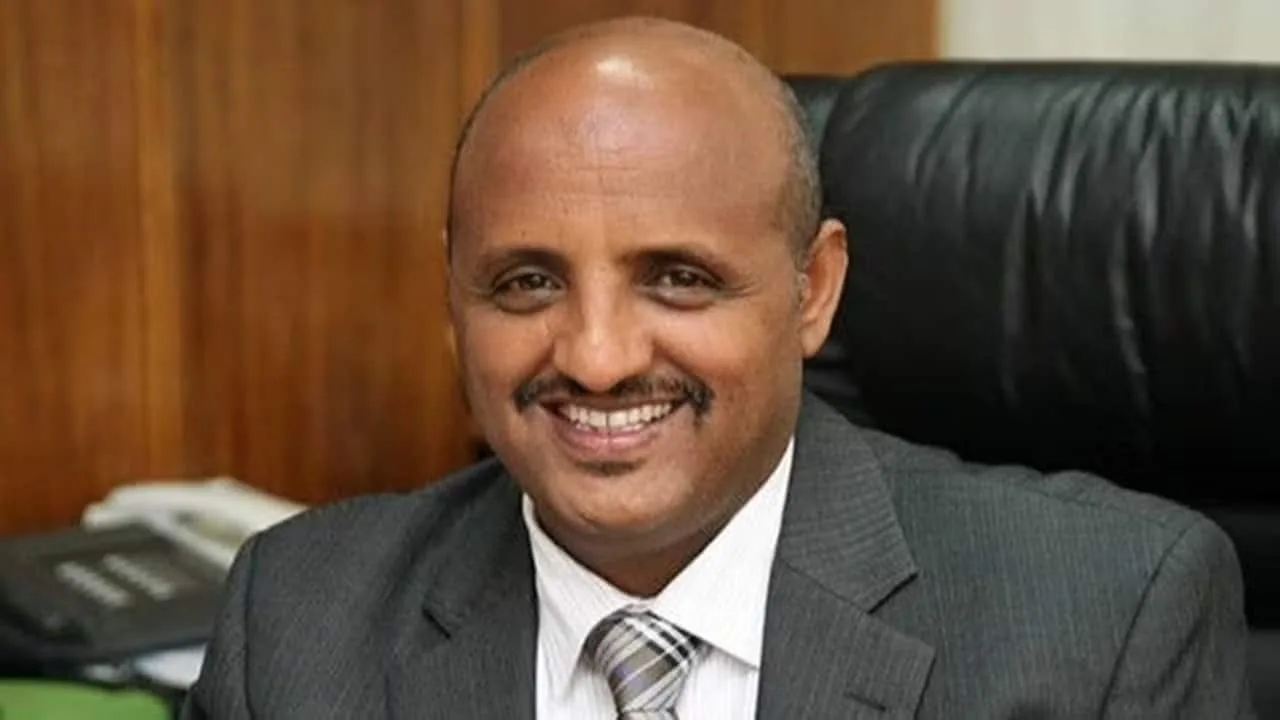
Air India has named Tewolde Gebremariam as its new chief executive officer and managing director, marking a pivotal shift in the airline’s leadership as it transitions under Tata Group ownership. The appointment, announced on 5 August 2026, follows the resignation of Campbell Wilson, who had led the carrier since 2022. Gebremariam, a seasoned aviation executive best known for his decade-long tenure as head of Ethiopian Airlines, brings extensive experience in scaling global operations and managing complex airline networks, according to newsx.com and airwaysmag.com.
Gebremariam’s appointment comes as Air India transitions from a phase of stabilization and fleet modernization to one focused on operational efficiency and long-term profitability. N. Chandrasekaran, chairman of Tata Sons and Air India, highlighted the need for a leader capable of driving “sustainable long-term profitability” during a critical juncture in the airline’s evolution. “Tewolde’s track record in building one of the world’s most efficient and profitable airline groups makes him uniquely suited to lead Air India,” Chandrasekaran stated, emphasizing his expertise in hub development and corporate turnarounds, as reported by newsx.com.
The Ethiopian Airlines chief, who led the carrier from 2011 to 2022, transformed it into Africa’s largest and most profitable airline network. Under his leadership, Ethiopian Airlines expanded its fleet from 33 to 130 aircraft, boosted annual turnover from $1 billion to $4.5 billion, and increased passenger numbers from 3 million to 12 million before the COVID-19 pandemic, according to airwaysmag.com. These figures come from Ethiopian Airlines’ own reports. His career also includes roles in India, where he worked on commercial and operational strategies for the airline, providing him with direct market experience, per airwaysmag.com.
Wilson’s departure in April 2026 concluded a tenure marked by significant restructuring. Since taking charge in 2022, he oversaw the integration of Vistara into Air India, the consolidation of Tata-owned airlines, and the acquisition of 100 new aircraft. However, challenges such as delayed cabin refits and supply-chain constraints have left some aspects of the transformation incomplete. Gebremariam’s immediate task will be to address these gaps, including improving operational consistency, completing fleet upgrades, and developing profitable connecting traffic routes, as noted by airwaysmag.com.
The new CEO’s remuneration package remains undisclosed, though it may draw parallels to Wilson’s Rs 27.75 crore annual compensation, which included a fixed salary, performance-linked bonuses, and long-term incentives. Source 3 (freepressjournal.in) notes that Gebremariam’s pay structure could differ, reflecting his distinct operational mandate. Wilson’s package placed him among India’s highest-paid airline executives, with comparisons to figures like IndiGo’s Pieter Elbers and Akasa Air’s Vinay Dube. However, these figures are not directly comparable due to differing financial frameworks and timeframes, per freepressjournal.in.
Air India’s transformation has also involved strategic partnerships, including a 25.1% stake held by Singapore Airlines following the Vistara merger. The airline’s expanded fleet of 600 new aircraft and 36 leased units underscores its ambition to strengthen domestic and international connectivity. Gebremariam’s role will be critical in leveraging this scale to establish Delhi as a major aviation hub while ensuring reliable service across a mix of new, leased, and refurbished aircraft, according to airwaysmag.com.
The transition from Wilson to Gebremariam is set to occur without a specified timeline in the official announcement. Air India’s statement emphasized the need for “execution and expansion,” with the new leadership expected to prioritize financial sustainability amid ongoing challenges. Gebremariam, in his first public remarks, expressed optimism about Air India’s potential: “The opportunity to build a world-class global airline that reflects India’s extraordinary economic potential is uniquely exciting,” as quoted by newsx.com.
As the airline prepares for its next phase, the focus will shift to how Gebremariam navigates the complexities of managing a carrier in flux. His experience with Ethiopian Airlines’ hub-and-spoke model and fleet growth offers a blueprint for addressing Air India’s operational hurdles. Yet, the success of his tenure will depend on his ability to balance ambitious expansion with the need for consistent service and profitability in a competitive global market, according to airwaysmag.com.
How significant is this wire dispatch?
Cast your anonymous vote to register reader consensus across journalism and intelligence sectors.
Dateline Wire is dedicated to independent, evidence-backed reporting. This briefing was synthesized from primary source reporting, corroborated across independent newsrooms, and verified against our Editorial Standards.