Air traffic control technical issue disrupts flights across UK airports
A technical failure at the Prestwick air traffic control centre triggered widespread flight disruptions across Scotland, northern England, and Northern Ireland on 21 September 2026.
- Headline: Air traffic control technical issue disrupts flights across UK airports
- Dispatch Summary: A technical failure at the Prestwick air traffic control centre triggered widespread flight disruptions across Scotland, northern England, and Northern Ireland on 21 September 2026.
- Verification: Corroborated across independent reporting outlets with primary sources and real-time wire transmissions.
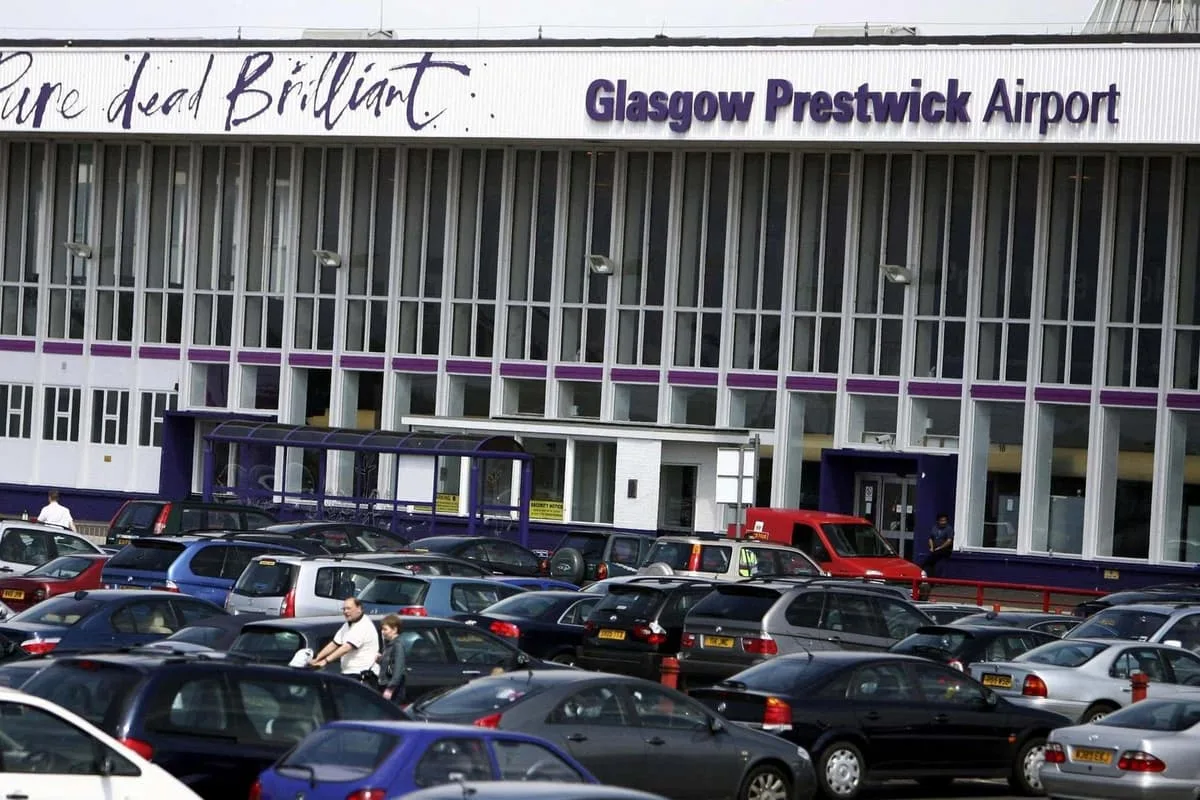
A technical failure at the Prestwick air traffic control centre triggered widespread flight disruptions across Scotland, northern England, and Northern Ireland on 21 September 2026, marking the second major incident involving National Air Traffic Services (NATS) in two weeks. The issue, described as unrelated to the 8 September outage that grounded over 2,000 flights, caused delays and cancellations at key airports, including Glasgow, Edinburgh, Manchester, and Belfast, while airlines criticized the repeated system failures.
NATS Technical Issue Causes Regional Flight Disruptions
The technical problem at Prestwick, which handles air traffic across northern England, Scotland, and parts of the North Atlantic, led to a 60% reduction in airspace capacity, according to aircargoweek.com. Flights heading north or departing from Scottish airports faced delays, while airports south of Manchester remained largely unaffected. Airlines such as British Airways, EasyJet, and Ryanair reported disruptions, with 24 flights cancelled and hundreds delayed, per aviation analytics firm Cirium.
Manchester Airport, one of the hardest-hit locations, saw queues build as over 130 flights were delayed, according to the Mirror. Passengers like Lewis Fraser, stranded at Glasgow Airport, described delays of up to two hours, with some opting to leave planes due to prolonged waiting times. A NATS spokesperson stated that engineers were investigating the issue but emphasized it was separate from the 8 September software defect that caused widespread chaos.
| Location | Flights Affected | Details |
|---|---|---|
| Manchester, Belfast International, Belfast City | 4 flights cancelled or no fly each | Reported by Cirium as of 10am on 21 September. |
| Edinburgh | 3 flights cancelled or no fly | Reported by Cirium as of 10am on 21 September. |
| Highlands and Islands Airports | Full disruption | All 13 airports operated by Highlands and Islands Airports Limited faced schedule impacts. |
Airlines Criticize System Resilience
EasyJet and Ryanair were among the carriers questioning NATS’s ability to prevent recurring failures. EasyJet stated the latest issue “calls into question the resilience of NATS’s systems,” citing the second technical problem within a month. Ryanair attributed delays to “yet another NATS Air Traffic Control IT equipment failure,” urging passengers to monitor flight updates via its app.
British Airways described the disruption as “disappointing,” acknowledging it was beyond their control but emphasizing efforts to minimize passenger impact. NATS CEO Martin Rolfe, who faced calls to resign after the 8 September incident, has not yet commented on the latest outage, though the organization reiterated its commitment to resolving the issue.
The 8 September outage, caused by a software defect in NATS’s flight-data system, led to 2,000 flight cancellations and disrupted 330,000 passengers. A preliminary investigation attributed the fault to a “millisecond” processing error, while Transport Secretary Heidi Alexander condemned the disruption as “completely unacceptable.” The current incident has reignited scrutiny over NATS’s operational reliability, with airlines demanding “firm actions” to prevent future failures.
Passenger Rights and Compensation
Passengers affected by the 21 September disruptions faced limited recourse, as NATS’s technical issues are classified as “extraordinary circumstances” under EU regulations. This means airlines are not obligated to provide compensation, though they must offer food, drink, and accommodation if delays exceed specified thresholds. For example, flights under 1,500km require at least two hours of delay before assistance is required, while longer routes demand up to four hours.
Rory Boland of Which? Travel advised passengers to “keep the receipts” for any out-of-pocket expenses, as reimbursement is typically denied unless airlines agree to it voluntarily. Despite this, NATS and airlines emphasized that passengers should “check with their airlines” for real-time updates, as the situation remained fluid.
Investigation and Regulatory Scrutiny
NATS confirmed the Prestwick issue was resolved by 21 September, with engineers working to lift air traffic restrictions. However, the repeated failures have intensified calls for regulatory oversight. The government has already ordered an independent review into the 8 September incident, and the latest outage may prompt further investigations into NATS’s infrastructure and emergency protocols.
The disruption also overshadowed other ongoing challenges, such as a Gatwick strike involving over 200 airport workers and debates over Heathrow’s third runway. For now, the focus remains on NATS’s ability to restore confidence in its systems, with passengers and airlines alike urging transparency and accountability.
Frequently Asked Questions
What caused the latest air traffic control disruption?
The technical issue occurred at NATS’s Prestwick air traffic control centre, which manages airspace across northern England, Scotland, and the North Atlantic. While NATS has not disclosed the exact cause, it confirmed the problem was unrelated to the 8 September software defect that caused 2,000 flight cancellations.
Are passengers entitled to compensation for delays?
No. The disruption is classified as an “extraordinary circumstance” by the Civil Aviation Authority, meaning airlines are not required to provide compensation. However, passengers may be eligible for food, drink, and accommodation if delays exceed 2–4 hours, depending on flight distance.
How does this compare to the 8 September outage?
The 8 September incident involved a software defect that caused 2,000 flight cancellations and affected 330,000 passengers. The current disruption, while significant, has not reached the same scale, with 24 cancellations reported by analysts. However, both incidents have raised concerns about NATS’s system resilience.
The next major development will likely come from NATS’s official investigation into the Prestwick issue, which could determine whether regulatory actions or systemic reforms are needed. For now, passengers remain advised to monitor airline updates as the situation continues to evolve.
How significant is this wire dispatch?
Cast your anonymous vote to register reader consensus across journalism and intelligence sectors.
Dateline Wire is dedicated to independent, evidence-backed reporting. This briefing was synthesized from primary source reporting, corroborated across independent newsrooms, and verified against our Editorial Standards.