US to ban imports of some Canadian alcohol, dairy goods and motorbikes
The United States has imposed a ban on imports of Canadian alcohol, dairy products, and motorbikes, escalating an ongoing trade conflict between the two nations.
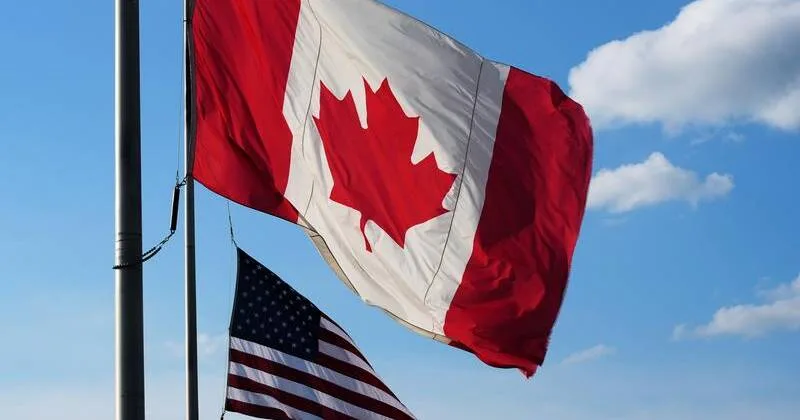
The United States has imposed a sweeping ban on imports of Canadian alcohol, dairy products, and motorbikes, effective September 29, as the trade war between the two nations intensifies. The move, announced through executive orders and published on the White House website, follows Canada’s retaliatory tariffs on $20 billion of U.S. goods, which took effect after midnight on September 8. The escalation marks a sharp deterioration in relations between the longtime allies, with both sides accusing each other of undermining negotiations and destabilizing North American trade.
Timeline of the Trade Dispute
The conflict began in August when the U.S. imposed 50% tariffs on $20 billion of Canadian exports, targeting sectors including wine, dairy, and furniture. Canada responded with its own tariffs, matching the U.S. rates dollar-for-dollar on goods such as steel, clothing, and appliances. The latest U.S. measures, which include outright bans on certain products and additional tariffs on others, are set to take effect just over two weeks after Canada’s retaliatory levies. The White House cited Canada’s “discriminatory” trade practices as justification, while Canadian officials called the actions “unjustified” and vowed to protect domestic industries.
| U.S. Action | Details |
|---|---|
| Banned Products | Alcoholic beverages (including beer, wine, whisky, rum, vodka, tequila, mezcal, brandy, and non-alcoholic beer), dairy items (whey protein, cane molasses, invert molasses), and motorbikes. |
| Additional Tariffs | 50% levies on cheese, aluminum, wood, furniture, and certain motor vehicles, including golf carts and bamboo furniture. |
| Effective Date | September 29 for bans; additional tariffs to take effect within one week of announcement. |
Canadian Response and Economic Concerns
Canadian Prime Minister Mark Carney framed the dispute as a necessary step to reduce reliance on the U.S., which accounts for over two-thirds of Canada’s exports. In a video address, he stated, “We have everything we need to pivot and prosper,” while acknowledging the “cost of action.” Canadian trade minister Dominic LeBlanc criticized the U.S. measures as “unjustified” and emphasized efforts to resolve tensions through dialogue. However, he also highlighted Canada’s commitment to diversifying trade partnerships, a shift that could reshape its economic strategy.
Economists warn the standoff risks destabilizing the U.S.-Mexico-Canada Agreement (USMCA), the free-trade pact that underpins North American commerce. Stephen Brown, a chief North America economist, noted that while the U.S. import ban affects a small fraction of Canadian exports, it signals a broader strategy to inflict economic pressure. “Trump’s measures are about inflicting pain rather than raising revenue,” he said. Canadian officials, meanwhile, have raised concerns about the impact on sectors like dairy, which is heavily regulated in Canada and a frequent target of U.S. criticism.
Political and Industry Implications
The dispute has also spilled into political rhetoric, with President Donald Trump targeting Canadian companies and policies. He directed the General Services Administration to remove Canadian-origin products from federal procurement schedules unless Ottawa restores “reciprocity” for U.S. businesses. The move could affect $50 billion in annual federal contracts. Trump also threatened to block sales of Bombardier aircraft unless the company shifts manufacturing to the U.S., a demand that sent the company’s shares tumbling. Analysts suggest these actions are both economic and symbolic, aiming to pressure Canada while sending a message to other trading partners.
Canadian businesses face a dual challenge: navigating tariffs and adapting to shifting trade dynamics. Some sectors, like dairy, are particularly vulnerable due to Canada’s protective regulations. The U.S. has long criticized these policies, arguing they distort markets. However, Canadian officials maintain that the system ensures stability for domestic producers. The standoff has also fueled consumer backlash, with some Canadians boycotting U.S. products, including alcohol, in protest.
Frequently Asked Questions
When do the U.S. import bans take effect?
The bans on Canadian alcohol, dairy, and motorbikes will go into effect on September 29. Additional tariffs on goods like cheese and furniture are set to take effect within one week of the announcement.
Which Canadian products are affected?
The bans include alcoholic beverages (such as beer, wine, whisky, and tequila), dairy items like whey protein and molasses, and motorbikes. Additional tariffs apply to cheese, aluminum, wood, and certain motor vehicles.
What are the broader economic implications?
The dispute risks destabilizing the USMCA and could lead to higher consumer prices and reduced trade volumes. While the direct economic impact is limited, the political and symbolic stakes are high, with both sides using the conflict to signal their trade priorities.
The next critical development will be the outcome of ongoing diplomatic efforts. Canadian officials have indicated willingness to engage in dialogue, but the U.S. has yet to signal a willingness to revise its stance. As the deadline for the import bans approaches, the focus will shift to how businesses and consumers adapt to the evolving trade landscape. For now, the standoff underscores the fragility of transatlantic economic ties in an era of rising protectionism.
Dateline Wire is dedicated to independent, evidence-backed reporting. This briefing was synthesized from primary source reporting, corroborated across independent newsrooms, and verified against our Editorial Standards.