Trump Names Intelligence Chief Jay Clayton to Lead New AI Task Force
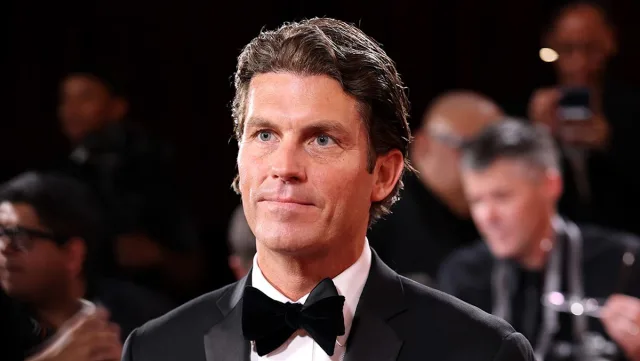
President Trump has appointed Director of National Intelligence Jay Clayton to lead a newly established White House AI task force rebranded as the Super Intelligence Force.
- Headline: Trump Names Intelligence Chief Jay Clayton to Lead New AI Task Force
- Dispatch Summary: President Trump has appointed Director of National Intelligence Jay Clayton to lead a newly established White House AI task force rebranded as the Super Intelligence Force.
- Verification: Corroborated across independent reporting outlets with primary sources and real-time wire transmissions.
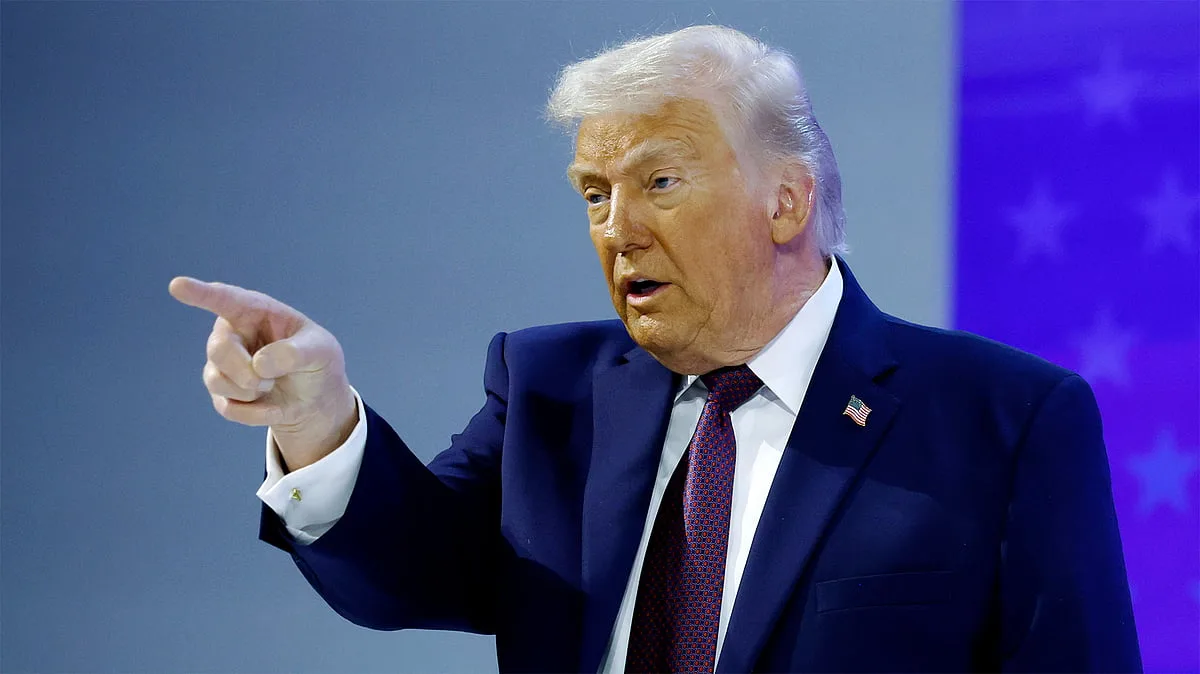
President Donald Trump has appointed Jay Clayton, the director of national intelligence, to lead a newly established White House task force focused on artificial intelligence, rebranding the initiative as the “Super Intelligence Force” (SIF). The announcement, made via a Truth Social post on Sunday, is a notable shift in how the administration frames AI policy, emphasizing strategic competition and industry collaboration over regulatory intervention.
Clayton’s Role and Task Force Structure
Clayton, who oversees the U.S. intelligence community, will serve as the de facto AI czar, coordinating federal efforts to address risks and opportunities posed by AI. The task force, described by Trump as a “super intelligence” initiative, will include federal officials such as Federal Trade Commission Chairman Andrew Ferguson, Pentagon Under Secretary for Research and Engineering Emil Michael, and Office of Personnel Management Director Scott Kupor. The group will report directly to Trump and his chief of staff, Susie Wiles.
The task force’s mandate includes evaluating the federal government’s role in overseeing AI development, assessing existing capabilities for responding to security incidents, and recommending improvements. It will also engage with consumers, public interest groups, religious organizations, and AI companies. A 120-day deadline is cited for the group to submit its findings, according to reporting by Reuters and the Wall Street Journal.
| Task Force Members | Roles |
|---|---|
| Jay Clayton | Director of National Intelligence, lead coordinator |
| Andrew Ferguson | Chairman, Federal Trade Commission |
| Emil Michael | Pentagon Under Secretary for Research and Engineering |
| Scott Kupor | Director, Office of Personnel Management |
Rebranding AI as “Super Intelligence”
Trump has actively promoted the term “super intelligence” to reframe AI as a strategic priority, emphasizing its potential to surpass the impact of the Industrial Revolution and the internet. In his social media post, he stated the SIF would “ensure that America continues to lead the World in Super Intelligence” while protecting “the interests, and improve the lives, of all Americans.” This rebranding aligns with broader administration efforts to position AI as a critical domain for national leadership and economic competitiveness.
The decision to rename AI as “super intelligence” follows a September announcement by Trump to create an “AI Force” amid concerns about the technology’s rapid development. Industry leaders had previously warned of uncontrolled risks, but Trump has consistently prioritized fostering innovation over regulatory constraints. During his Senate confirmation hearing, Clayton acknowledged AI as a “gamechanger” but also a “threat,” signaling a dual focus on opportunity and risk management.
Voluntary Accord with AI Industry
The task force’s formation coincides with a voluntary agreement between Trump and executives from major AI companies, including Google, Anthropic, Meta, OpenAI, xAI, and Nvidia. The accord, signed last week, commits these firms to implementing safety controls, monitoring, and external assessments of their most advanced AI systems. Trump described the agreement as a form of industry self-regulation, emphasizing that it would not “hinder or stifle the Growth of this incredible Industry.”
The accord emerged after a White House meeting with tech leaders, where concerns about AI’s security, economic, and societal impacts were discussed. Despite calls for federal oversight from figures like Anthropic CEO Dario Amodei and OpenAI CEO Sam Altman, Trump has opposed strict regulations, instead advocating for a “lighter regulatory stance.” The administration’s approach contrasts with growing global momentum for AI governance, including the EU’s proposed AI Act and international discussions on safety standards.
Implications for Tech and Policy
The task force’s recommendations could influence tech stocks and regulatory frameworks, particularly for industries such as advanced AI model developers, cloud operators, and semiconductor suppliers. Analysts note that policy changes on AI oversight and reporting requirements might affect company operations and valuations. However, the administration’s focus on voluntary measures over mandatory rules suggests a preference for industry-led solutions.
Clayton’s appointment also raises questions about the intersection of intelligence agencies and AI policy. As head of the Office of the Director of National Intelligence, he oversees 18 U.S. intelligence agencies, including those involved in cyberdefense and counterterrorism. His role in the task force may involve assessing AI’s implications for national security, including risks related to data breaches, model jailbreaks, and adversarial attacks.
Frequently Asked Questions
Who is Jay Clayton, and what is his role in the task force?
Jay Clayton is the director of national intelligence, overseeing the U.S. intelligence community. He has been appointed to lead the new White House task force, effectively serving as the administration’s AI czar. His responsibilities include coordinating federal efforts to address AI risks and opportunities.
What is the “Super Intelligence Force,” and what are its goals?
The “Super Intelligence Force” (SIF) is a newly established task force under Trump’s administration. Its goals include assessing the risks and opportunities of AI, coordinating federal engagement with industry and stakeholders, and submitting recommendations within 120 days. The initiative emphasizes U.S. leadership in AI while avoiding strict federal regulations.
How does the voluntary accord with AI companies work?
The accord, signed by major tech firms, involves self-regulatory measures such as safety controls, monitoring, and external assessments of advanced AI systems. It is described as a voluntary agreement, with no mandatory federal oversight. The administration views it as a way to balance innovation with responsibility.
The task force’s next steps will likely involve detailed analysis of AI’s societal and economic impacts, with a focus on maintaining U.S. technological dominance. As the group prepares to submit its report, the administration’s approach will continue to shape the evolving landscape of AI governance, balancing innovation with emerging concerns about safety and security.
How significant is this wire dispatch?
Cast your anonymous vote to register reader consensus across journalism and intelligence sectors.
Dateline Wire is dedicated to independent, evidence-backed reporting. This briefing was synthesized from primary source reporting, corroborated across independent newsrooms, and verified against our Editorial Standards.