Indian and Pakistani Navy Ships Collide in Arabian Sea
An Indian Navy vessel and a Pakistani naval ship collided in international waters of the Arabian Sea, prompting India to lodge a formal protest.
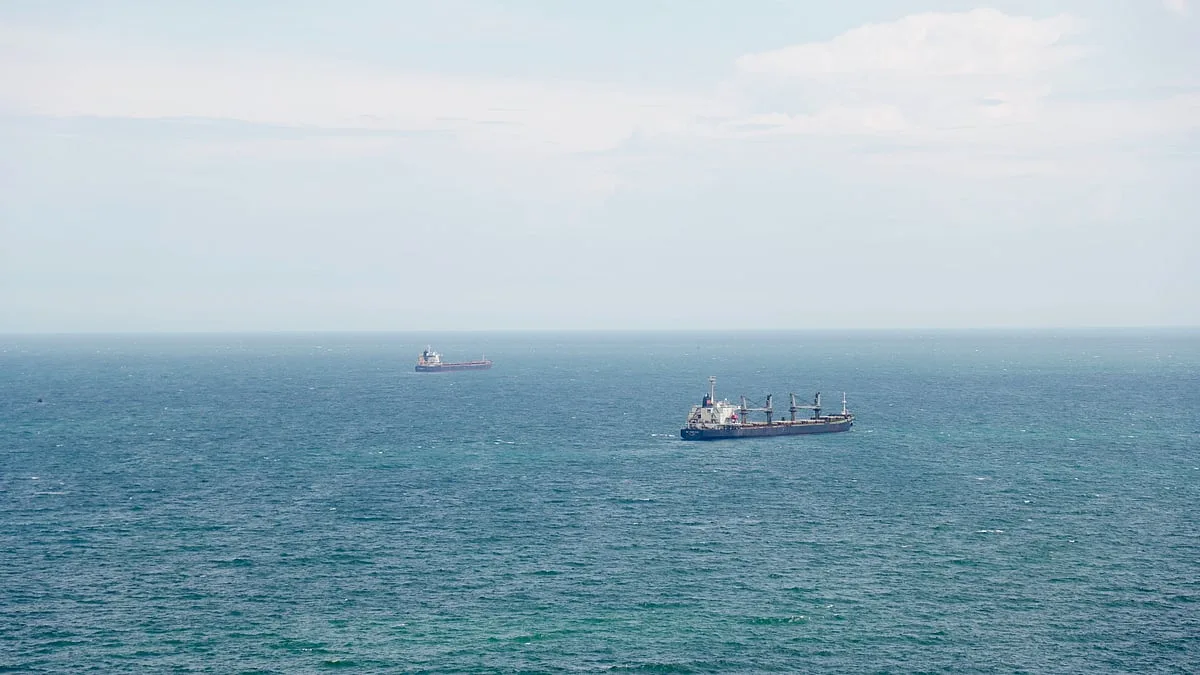
The Indian and Pakistani navies collided in international waters of the Arabian Sea on September 15, 2026, triggering a diplomatic row and renewed scrutiny of military interactions between the two nations. The incident, which occurred during a routine surveillance mission by an Indian naval unit, has been described by India as a "reckless and unprofessional" act that violated established maritime norms.
Collision Details and Immediate Reactions
The collision took place in the Northern Arabian Sea, with both vessels operating in international waters. According to Indian government sources, the Pakistani naval ship approached the Indian vessel at high speed and maneuvered in a manner that India characterized as "unprofessional and unsafe." No casualties or significant damage were reported to either ship, though the full extent of the incident remains under investigation.
India’s Ministry of External Affairs (MEA) summoned Pakistan’s Charge d’Affaires in New Delhi on September 16, lodging a "strong protest" over the conduct of the Pakistani naval unit. The MEA stated that the incident "did not cause any major damage" but emphasized that the Pakistani vessel’s actions contravened Article 10 of the 1991 India-Pakistan Agreement on Advance Notice on Military Exercises, Manoeuvres and Troops Movements. This provision mandates that both sides provide prior notification for military activities to prevent accidental encounters.
The MEA’s statement reiterated that the Pakistani naval unit’s behavior "was in direct contravention" of the agreement, marking the latest in a series of diplomatic disputes over maritime incidents. India also directed its Charge d’Affaires in Islamabad to raise the matter with Pakistan’s Ministry of Foreign Affairs, underscoring the formal nature of the protest.
Historical Context and Bilateral Agreements
The 1991 agreement, a confidence-building measure between India and Pakistan, aims to reduce the risk of accidental clashes by requiring advance notification of military activities. India has previously invoked this framework in similar incidents, including a 2011 case involving the Pakistani ship PNS Babur and the Indian vessel INS Godavari. However, the current MEA statement did not explicitly compare the 2026 incident to past events, focusing instead on the specific violation of Article 10.
The collision occurred amid already strained relations between the two nations, which have been complicated by prior disputes. Indian sources have not linked the incident to any specific recent event, but the timing has raised concerns about the stability of bilateral military interactions.
Pakistan’s Unanswered Role
Pakistan’s official response to the incident remains unconfirmed. Reports indicate that no statements or clarifications from Pakistani authorities were available as of September 16, leaving the circumstances of the collision unresolved. Indian sources have not disclosed the names of the vessels involved or detailed accounts of their movements prior to the collision, citing ongoing investigations.
The lack of clarity has fueled speculation about the motivations behind the Pakistani naval unit’s actions. Indian officials have called for "due care and respect" for bilateral agreements, urging Pakistan to prevent future incidents. However, the absence of a formal Pakistani statement leaves the incident’s full context incomplete.
Frequently Asked Questions
Frequently Asked Questions
What triggered the collision between Indian and Pakistani naval vessels?
Indian government sources stated that a Pakistani naval ship approached an Indian vessel at high speed and maneuvered in an "unprofessional and unsafe manner," leading to the collision. No further details about the circumstances were provided.
How does the 1991 India-Pakistan agreement relate to this incident?
India claims the Pakistani naval unit’s actions violated Article 10 of the 1991 agreement, which requires advance notice of military exercises and movements to prevent accidental encounters. The agreement is part of broader confidence-building measures between the two nations.
What is the current status of India-Pakistan relations following this incident?
The collision has added to existing tensions between India and Pakistan, which have been strained by prior disputes, including a 2011 naval incident. Pakistan has not yet responded to India’s diplomatic protest, and further developments are awaited.
The incident underscores the fragile nature of India-Pakistan military interactions, even in international waters. As both nations await further clarification, the collision serves as a reminder of the risks inherent in maritime operations and the importance of adhering to established agreements. The next critical step will be Pakistan’s response, which could shape the trajectory of bilateral relations in the coming weeks.
Dateline Wire is dedicated to independent, evidence-backed reporting. This briefing was synthesized from primary source reporting, corroborated across independent newsrooms, and verified against our Editorial Standards.