Kylian Mbappé apologizes to China for ill-judged Mao comment
Real Madrid forward Kylian Mbappé has issued a public apology following commercial boycotts and backlash over a talk show comment.
- Headline: Kylian Mbappé apologizes to China for ill-judged Mao comment
- Dispatch Summary: Real Madrid forward Kylian Mbappé has issued a public apology following commercial boycotts and backlash over a talk show comment.
- Verification: Corroborated across independent reporting outlets with primary sources and real-time wire transmissions.
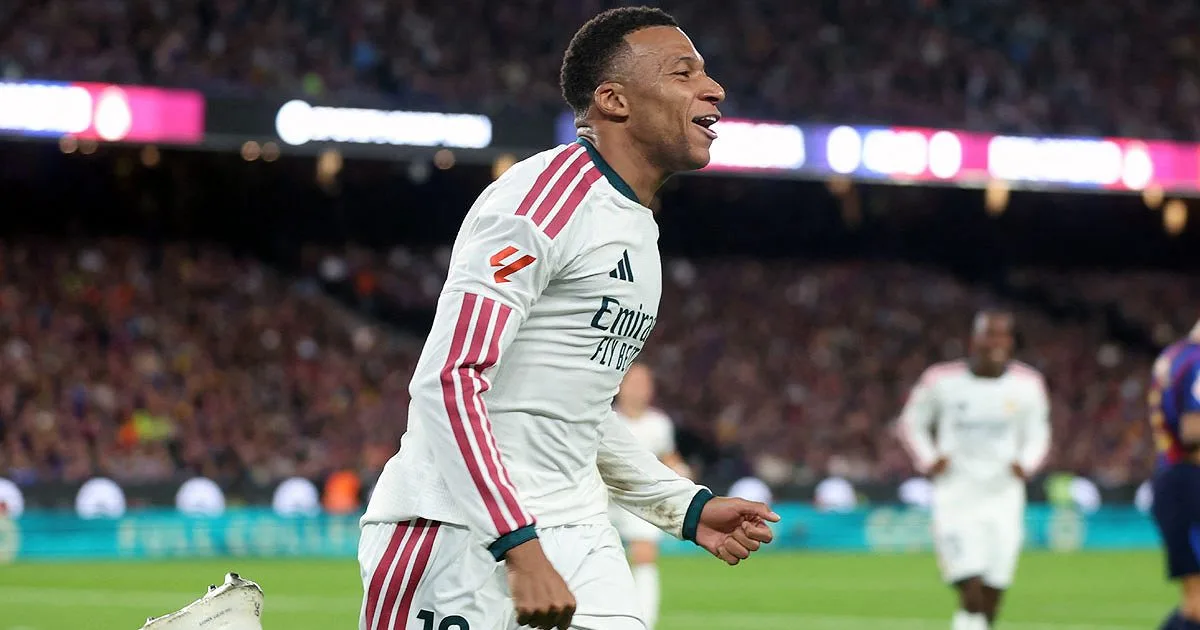
My comment was ill-judged, and I now understand that it hurt many people in China and in Chinese communities around the world,
Kylian Mbappé said in an official statement on Tuesday. The Real Madrid and France forward issued the public apology after his remarks on a French online talk show triggered an immediate commercial and diplomatic backlash in China. The controversy illustrates the precarious balancing act global sports stars perform when casual remarks beamed across digital platforms collide with strict national sensitivities in lucrative overseas markets.
The episode traces back to an appearance by the 27-year-old player on the French talk show The Bridge, hosted by his Real Madrid teammate Aurélien Tchouaméni. During the interview, Mbappé was asked about his favorite internet meme of himself. The underlying meme stems from a running joke in the European press and online forums where Mbappé has been nicknamed the dictator
due to his immense influence within football teams.
Commercial Fallout and Media Blackouts in Beijing
The controversy broke open on Monday night when the Chinese football forum Dongqiudi published a statement drawing attention to the remarks, calling them inappropriate and stating that they hurt the feelings of Chinese people. The forum added that it was unable to translate the comments because they were offensive to China and the Chinese people. Screengrabs and video clips spread rapidly across Weibo, where users accused the French star of profiting from the Chinese market while offending the public.
By Tuesday, the backlash translated into swift corporate action. Beverage maker Dongpeng, dairy giant Mengniu, and cheese producers Shanghai Milkground Food Tech terminated their lucrative endorsement contracts with Mbappé. The companies stated that they firmly opposed and held zero tolerance for any words or actions that hurt national sentiments. Additionally, social media platform RedNote announced that its content partnership with Mbappé ended on December 31, 2024, and confirmed it would remove promotional materials while banning his account from accepting new followers. State broadcaster CCTV and its news apps halted broadcasts of LaLiga matches and events involving Mbappé, stripping all advertisements featuring the player.
Spain's La Liga president, Javier Tebas, issued an apology on X and said the organization deeply regretted the comments that caused discomfort and offence in China. Tebas wrote that the league was working directly with partners in China to overcome the situation, adding that a relationship built over so many years cannot be damaged by a single episode.
Meanwhile, China's Foreign Ministry spokesperson Guo Jiakun stated that words and actions hurting the feelings of the Chinese people would naturally face joint opposition from all sectors of Chinese society. Weibo users continued to flood social media with hashtags such as multiple brands terminate partnerships with Mbappé, with top comments warning him never to visit the country.
Historical Echoes and Prior Warnings
For many observers, the speed of the fallout reflects a well-established pattern where foreign brands and athletes face severe economic penalties for missteps involving Beijing. Past high-profile friction points involved companies such as Dolce & Gabbana, Swiss watchmaker Swatch, and the National Basketball Association. Analysts note that national sentiment in China is treated as an absolute boundary for international commerce.
The historical weight of Mao's rule also resonates strongly across distinct communities, including in Tibet, where his regime is associated with the systematic destruction of Buddhist monasteries, sacred texts, and cultural traditions during the Cultural Revolution. Decades prior, the 10th Panchen Lama documented the massive reduction of Tibet's monastic population in a 1962 petition to Premier Zhou Enlai, underscoring how deeply historical grievances run.
Ironically, Mbappé himself had previously addressed the darker implications of his online nickname in a September interview with France Football. He acknowledged that while some memes were harmless fun, viral depictions casting him as a dictator showed a lack of political and human awareness. There's a side that's a bit less funny, because we know the damage people like that have caused throughout history,
he said in that interview, noting that being compared to figures responsible for widespread human misery was inappropriate. Despite that prior recognition, his offhand remark on talk television ultimately reactivated the very tensions he had previously described.
Real Madrid's corporate office declined to comment on the matter, leaving the player's immediate brand standing in East Asia severely compromised as of Tuesday afternoon.