Sudan gold mine collapse kills at least 60 small-scale miners, many fear…
A devastating collapse at the Al Zaraa gold mine in West Kordofan has killed at least 60 small-scale miners, highlighting the extreme dangers of Sudan's unregulated mining sector amid ongoing civil conflict.
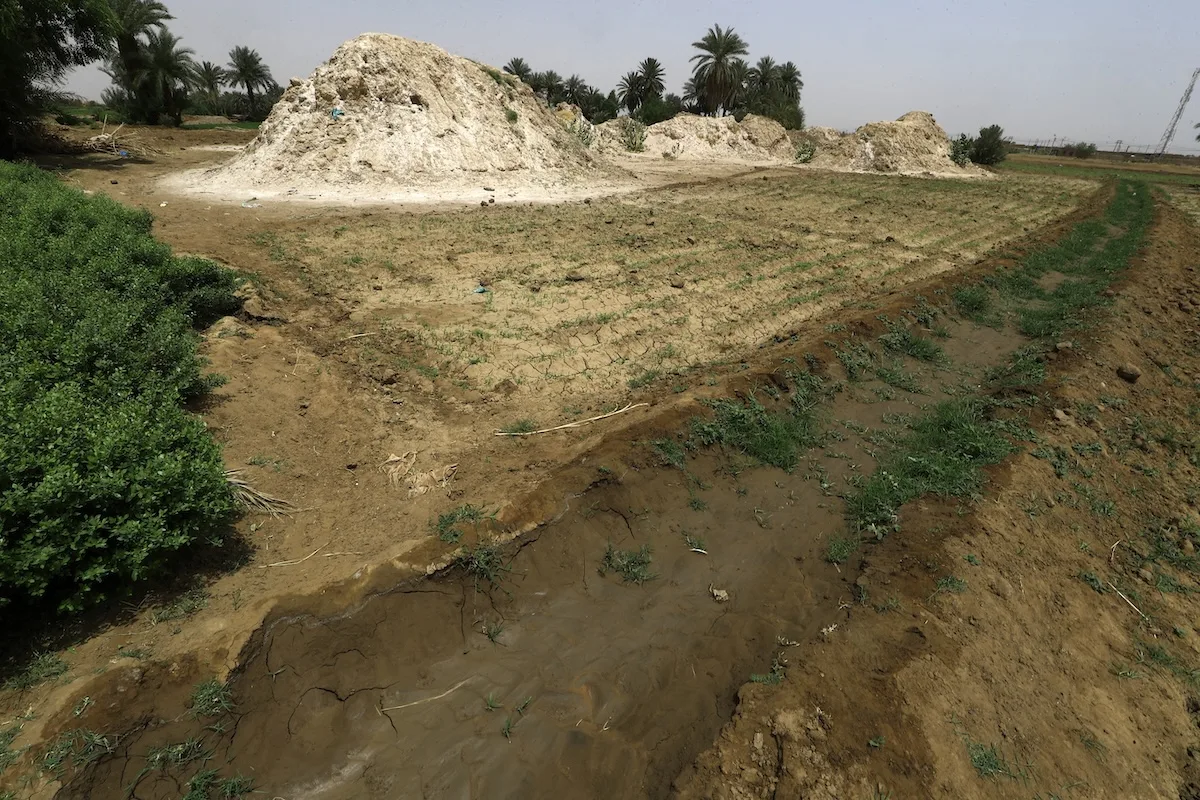
A deadly collapse at the Al Zaraa gold mine in southern Sudan has killed at least 60 small-scale miners, with survivors reporting many more trapped beneath the rubble. The incident, which occurred near the town of El Nahud in West Kordofan, has drawn attention to the dangers of unregulated mining and the humanitarian challenges in a region already destabilized by conflict.
Death toll and rescue challenges
The collapse, which began on Tuesday, saw over 60 bodies retrieved by Wednesday, according to survivors interviewed by AFP. However, the exact number of fatalities remains uncertain, with some reports citing a higher toll. A medical group and survivors mentioned at least 67 deaths in a France 24 report, though other outlets, including Euronews and mid-day.com, cited the 60-figure. The discrepancy underscores the difficulty of verifying casualties in remote, conflict-affected areas.
Rescue operations are hindered by the lack of heavy machinery, forcing miners to use rudimentary tools to dig through debris. “We need heavy machinery to clear the rock and soil,” said Khair al-Sayyed Jabara, a survivor who participated in the overnight rescue effort. The absence of equipment is a recurring issue in Sudan’s informal mining sector, where safety standards are often neglected.
| Source | Reported fatalities |
|---|---|
| Arab News | At least 60 |
| France 24 | At least 67 |
| Euronews / mid-day.com | At least 60 |
Context of conflict and economic strain
The Al Zaraa mine, located in West Kordofan, is under the control of Sudan’s paramilitary Rapid Support Forces (RSF), which have been engaged in a brutal conflict with the Sudanese Armed Forces since April 2023. The war has displaced millions and triggered a severe humanitarian crisis, with nearly 20 million people facing crisis-level hunger. Gold mining has become a critical source of income for many, but the sector is plagued by unsafe conditions and environmental degradation.
Sudan’s gold industry has grown in importance amid the conflict, as formal economic structures have collapsed. Artisanal miners, often working in precarious conditions, face frequent accidents. Recent incidents include a 2023 collapse that killed 14 miners and a 2021 disaster that claimed 38 lives. The current tragedy underscores the risks faced by workers in an industry that remains largely unregulated.
Survivors’ accounts and calls for aid
Survivors described the collapse as “massive,” with multiple shafts giving way simultaneously. Al Amin Suliman, another miner, reported that people remained trapped inside the mine. “Everyone’s working very hard to retrieve the bodies or any survivors,” said Jabara, but he emphasized the difficulty of the task without proper equipment. Local medical groups have urged international aid to support rescue efforts, though access to the area remains complicated by the ongoing conflict.
The RSF’s control over West Kordofan has further complicated relief efforts, as humanitarian organizations face restrictions in the region. The collapse has also reignited concerns about the safety of informal mining operations, which account for a significant portion of Sudan’s gold production. Advocacy groups have called for stricter regulations and investment in safer mining practices to prevent future disasters.
Frequently Asked Questions
How many people are confirmed dead in the Sudan mine collapse?
At least 60 small-scale miners have been confirmed dead, according to survivors and reports from multiple outlets. However, some sources, including France 24, cite a higher toll of 67, reflecting the challenges of verifying casualties in remote, conflict-affected areas.
Why are rescue efforts struggling?
Rescue operations are hampered by the lack of heavy machinery, forcing miners to use basic tools to dig through debris. The region’s ongoing conflict and limited infrastructure also complicate access to the site, delaying critical aid and search efforts.
What role does the civil war play in this disaster?
The war between Sudan’s military and the RSF has destabilized the country, pushing many into informal sectors like gold mining for survival. The conflict has also disrupted governance and safety regulations, contributing to the hazardous conditions that led to the collapse.
The situation in West Kordofan remains fluid, with the potential for the death toll to rise as rescue teams continue their work. International attention has focused on the need for improved safety measures in Sudan’s mining industry, but the ongoing conflict and economic collapse pose significant barriers to long-term solutions. As survivors and families await updates, the tragedy serves as a stark reminder of the human cost of instability in one of the world’s most vulnerable regions.
Dateline Wire is dedicated to independent, evidence-backed reporting. This briefing was synthesized from primary source reporting, corroborated across independent newsrooms, and verified against our Editorial Standards.