IAEA refers Iran to UN Security Council over nuclear non-compliance
The IAEA board of governors has formally reported Iran to the UN Security Council over nuclear non-compliance and lack of transparency regarding its uranium stockpile.
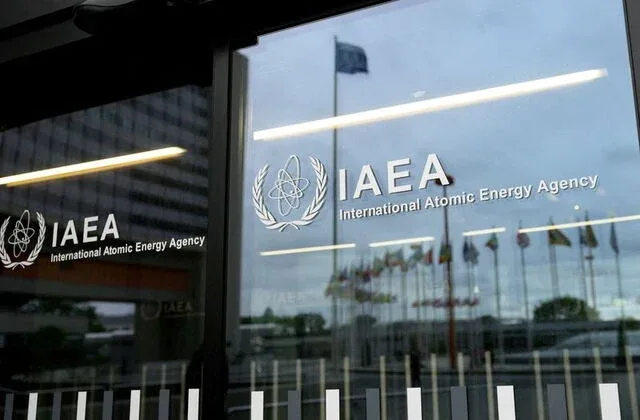
The International Atomic Energy Agency (IAEA) has referred Iran to the United Nations Security Council over alleged nuclear non-compliance, escalating tensions in a diplomatic standoff that underscores deepening geopolitical divides. The decision, approved by the IAEA board of governors on Wednesday, marks the first time since 2006 that Iran has been formally reported to the Security Council for failing to meet its nuclear obligations. The resolution, backed by 23 countries and opposed by Russia, China, and Niger, reflects Western efforts to pressure Tehran amid unresolved disputes over its nuclear program.
Iran’s Nuclear Facilities Remain Inaccessible
The IAEA has been denied access to key nuclear facilities in Iran since Israel and the United States launched a 12-day conflict in June 2025, which included strikes on nuclear sites. This lack of access has persisted despite repeated calls from the agency for verification. The latest war, which began on February 28, 2026, further disrupted operations, with nuclear facilities reportedly damaged or destroyed. The IAEA has repeatedly warned that the absence of inspections poses a “proliferation concern,” citing the need to monitor Iran’s uranium stockpile and activities.
Before the 2025 strikes, the IAEA estimated Iran possessed approximately 440 kilograms of uranium enriched to 60 percent — a level close to the 90 percent required for weapons-grade material. The agency has not confirmed the current status of this stockpile, raising questions about Iran’s compliance with international safeguards. Iran has consistently denied allegations of military nuclear ambitions, asserting its program is for civilian purposes only.
Resolution Passes Amid Geopolitical Divisions
The resolution, submitted by the United Kingdom, France, Germany, and the United States, was adopted with 23 votes in favor, three against, and eight abstentions. Russia, China, and Niger opposed the measure, highlighting the stark divisions among major powers. The text of the resolution calls on Iran to “urgently remedy its non-compliance” and to engage in “unconditional talks” to build international confidence in the peaceful nature of its nuclear program. It also requests IAEA Director General Rafael Grossi to report Iran to the Security Council and the UN General Assembly.
Despite the vote, the move is widely seen as symbolic. China and Russia, both permanent members of the Security Council, hold veto power, making any sanctions against Iran unlikely. Ali Vaez of the International Crisis Group described the resolution as an “exercise in futility,” noting that Western pressure would face “a wall” at the Security Council. The IAEA’s inability to verify Iran’s nuclear activities remains a central issue, with Grossi emphasizing that access to facilities would have “positive repercussions” for Tehran.
Iran Condemns the Move as Politicized
Iran’s representative to the IAEA, Reza Najafi, called the resolution “completely counterproductive” and accused the U.S. and its allies of acting under “political pressure.” He argued that the resolution lacked “any basis” and blamed Israeli and U.S. strikes for blocking inspections. Iran’s mission to the UN in Vienna further criticized the IAEA, accusing it of “unprofessional, unobjective, and politically influenced reporting.” The country has repeatedly stated that it will cooperate with the IAEA only if “circumstances and safety permit,” suggesting a conditional approach to future inspections.
The Iranian government has also linked the resolution to broader conflicts, asserting that the U.S. and Israel seek to “plunder its oil” and force “surrender.” This rhetoric aligns with Tehran’s long-standing narrative that Western actions are aimed at undermining its sovereignty. The IAEA’s lack of access to three key nuclear facilities — Natanz, Fordo, and possibly others, has fueled concerns about the agency’s ability to monitor Iran’s activities effectively.
Historical Context and Ongoing Concerns
The current referral follows a 2015 nuclear deal that limited Iran’s enrichment activities in exchange for sanctions relief. That agreement, now defunct, set a 3.67 percent enrichment cap, far below the 60 percent level Iran has reportedly reached. The IAEA’s 2025 assessment of Iran’s 440 kg of 60 percent enriched uranium highlighted the risk of rapid weaponization, though Tehran has not officially acknowledged possessing such material. The agency’s inability to verify these claims has been a recurring point of contention.
Iran’s nuclear program has remained a flashpoint since the 2015 deal’s collapse, with the U.S. reimposing sanctions and Israel conducting strikes on suspected nuclear sites. The IAEA’s recent resolution underscores the international community’s frustration with the lack of transparency, even as it acknowledges the political realities of the Security Council. The agency’s calls for “utmost urgency” in addressing proliferation concerns contrast with the practical limitations of enforcing compliance without access to facilities.
| Detail | Information |
|---|---|
| Votes for resolution | 23 |
| Votes against resolution | 3 |
| Abstentions | 8 |
| Opposing countries | Russia, China, Niger |
| Estimated uranium stockpile (pre-2025) | 440 kg of 60% enriched uranium |
| Enrichment threshold for weapons-grade | 90% |
Frequently Asked Questions
Why was Iran referred to the UN Security Council?
The IAEA board of governors cited Iran’s “non-compliance” with nuclear reporting obligations, including the lack of access to facilities and uncertainty over its uranium stockpile. The resolution, passed by 23 countries, calls for Iran to address these issues and engage in talks to build international confidence in its program.
Can the UN Security Council impose sanctions on Iran?
While the IAEA referred Iran to the Security Council, any sanctions would require approval from all five permanent members. China and Russia, both veto holders, have opposed the move, making sanctions unlikely. The referral is seen as a symbolic gesture rather than a practical step toward enforcement.
What is Iran’s stance on the resolution?
Iran condemned the resolution as politically motivated, blaming U.S. and Israeli strikes for disrupting inspections. It has denied allegations of military nuclear ambitions, insisting its program is for civilian use. Iran’s representative to the IAEA called the move “counterproductive” and warned of retaliation if the resolution passed.
The IAEA’s referral to the Security Council highlights the enduring challenges of verifying nuclear activities in a politically charged environment. While the agency continues to press for access, the lack of consensus among major powers leaves Iran’s nuclear future in limbo. As tensions persist, the next steps will depend on whether Iran’s allies in the Security Council choose to block further action or if new diplomatic efforts can bridge the widening gap. For now, the resolution serves as a reminder of the fragile balance between international oversight and geopolitical resistance.
Dateline Wire is dedicated to independent, evidence-backed reporting. This briefing was synthesized from primary source reporting, corroborated across independent newsrooms, and verified against our Editorial Standards.