Houthis claim missile and drone strikes on Riyadh and Yanbu oil facility
The Iran-backed Houthi militia claims responsibility for targeting sensitive sites in Saudi Arabia's capital and energy infrastructure, triggering emergency alerts.
- Headline: Houthis claim missile and drone strikes on Riyadh and Yanbu oil facility
- Dispatch Summary: The Iran-backed Houthi militia claims responsibility for targeting sensitive sites in Saudi Arabia's capital and energy infrastructure, triggering emergency alerts.
- Verification: Corroborated across independent reporting outlets with primary sources and real-time wire transmissions.

Houthis Claim Responsibility for Attacks
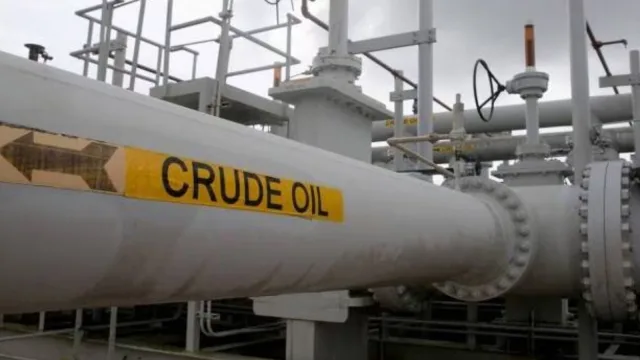
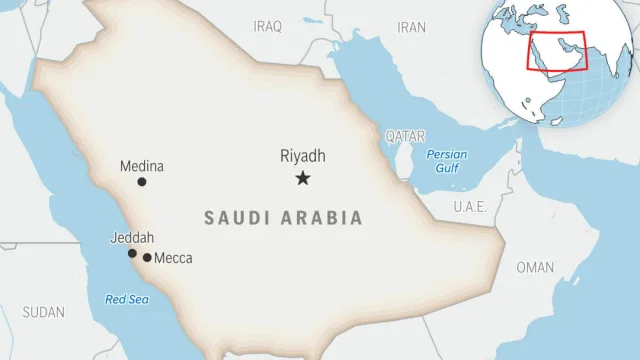
The Iran-backed Houthi militia in Yemen claimed responsibility for missile and drone strikes on Saudi Arabia’s capital, Riyadh, and an oil facility in Yanbu on September 19, 2026. The group’s military spokesperson, Yahya Saree, stated in a video message that two “significant military operations” were conducted, targeting “sensitive sites” in Riyadh and an Aramco facility in Yanbu. He described the attacks as successful, citing “massive fires” at the targeted locations. The Houthis denied targeting civilians, attributing any damage to “failed intercept attempts” by Saudi defense forces.
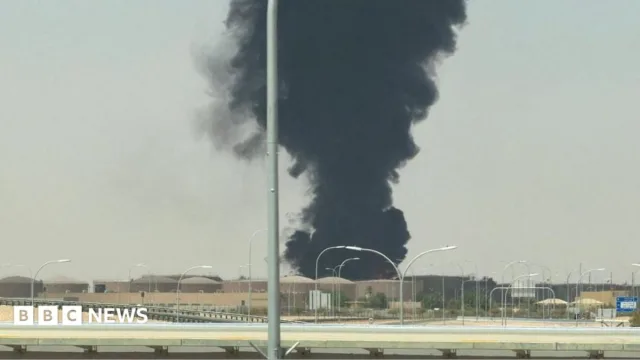
The attacks coincided with reports of explosions and a large plume of black smoke near Riyadh International Airport, where a fire reportedly erupted at a fuel storage area. Residents and eyewitnesses described hearing booms and witnessing flames, though Saudi authorities did not immediately confirm the Houthis’ claims. The group’s statement emphasized its response to “criminal Saudi aggression,” referencing recent Saudi airstrikes in Yemen as a catalyst for the assault.
Saudi Authorities Issue Emergency Alerts
Saudi Arabia’s civil defense issued emergency alerts warning of potential aerial threats in Riyadh and the nearby city of Al-Kharj, marking the first such alerts in the capital since the escalation with the Houthis in July 2026. The alerts were later rescinded, but the incident prompted disruptions at King Khalid International Airport, including temporary flight cancellations and delays. A Reuters journalist in Riyadh reported hearing “booms” before the all-clear was issued, though no official explanation for the explosions was provided.
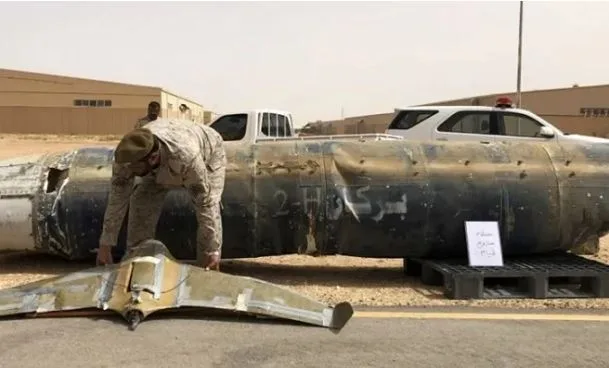
The Saudi government has not publicly commented on the Houthis’ claims or the cause of the fires. However, the kingdom has previously intercepted Houthi missiles and drones, according to reports. The attacks come amid a broader pattern of Houthi strikes on Saudi energy infrastructure and shipping, which have raised concerns about global oil supply stability. The Houthis have also intensified their focus on the Bab el-Mandeb Strait, a critical waterway linking the Red Sea to the Gulf of Aden, following recent territorial gains along Yemen’s western coast.
Context of Escalating Conflict
The Houthi attacks follow months of heightened violence in Yemen, where the group has expanded its control over key areas, including the Red Sea coast. This strategic advance has disrupted shipping routes and intensified regional tensions. The Houthis accused Saudi Arabia of conducting over 700 airstrikes in Yemen, a claim the Saudi government has not addressed directly. Meanwhile, the Yemeni government, backed by Saudi Arabia, reported foiling a Houthi infiltration attempt near the oil-rich Marib province, with 12 Houthi fighters reportedly killed.
The conflict has broader implications for the Middle East, as Iran’s involvement in the Yemen war continues to strain regional dynamics. Mohsen Rezaei, head of Iran’s Supreme National Security Council, stated that Tehran has outlined conditions for ending the conflict, including an end to hostilities on all fronts and the release of seized assets. However, no official response from the U.S. or other mediators has been reported. The UN Security Council condemned the Houthis’ attacks in a statement, calling them a threat to civilian and energy infrastructure.
Unverified Claims and Regional Implications
While the Houthis’ claims of attacks on Riyadh and Yanbu remain unverified, the timing and location of the reported explosions suggest a coordinated effort. The group’s focus on oil infrastructure underscores the strategic importance of Saudi Arabia’s energy sector, which has become a focal point in the broader conflict. The Houthis’ ability to strike deep into Saudi territory also highlights their evolving military capabilities, despite ongoing international sanctions and military pressure.
The situation has further complicated efforts to resolve the Yemen war, which has already caused widespread humanitarian suffering. With the Houthis gaining ground and Saudi Arabia reinforcing its defenses, the risk of further escalation remains high. Analysts note that the conflict’s outcome could have significant consequences for regional stability, particularly as global powers navigate their interests in the Red Sea and the broader Gulf region.
Frequently Asked Questions
What did the Houthis claim to have attacked?
The Houthis claimed to have launched missile and drone strikes on the Saudi capital, Riyadh, and an oil facility in Yanbu, a Red Sea port city. They described the attacks as targeting “sensitive sites” and reported causing “massive fires” at the locations.
Has Saudi Arabia confirmed the attacks?
No official confirmation of the Houthis’ claims has been provided by Saudi authorities. The kingdom issued emergency alerts and reported explosions near Riyadh International Airport, but no damage or casualties were immediately documented. Saudi officials have not commented on the cause of the fires or the attacks.
What is the broader context of the conflict?
The Houthis have been engaged in a years-long conflict with Saudi Arabia, which backs Yemen’s internationally recognized government. The group has expanded its control over strategic areas, including the Bab el-Mandeb Strait, and has targeted Saudi energy infrastructure. The conflict has drawn in regional and global powers, with Iran accused of providing support to the Houthis.
The next critical developments will likely depend on Saudi Arabia’s response to the attacks and the potential for further escalation. With the Houthis continuing to assert their military capabilities and regional influence, the situation remains volatile. Analysts will be closely monitoring whether the attacks prompt a significant shift in Saudi strategy or if diplomatic efforts can mitigate the growing tensions in the region.
How significant is this wire dispatch?
Cast your anonymous vote to register reader consensus across journalism and intelligence sectors.
Dateline Wire is dedicated to independent, evidence-backed reporting. This briefing was synthesized from primary source reporting, corroborated across independent newsrooms, and verified against our Editorial Standards.