Flydubai co-pilot was barred from flying by Oman over extremist views
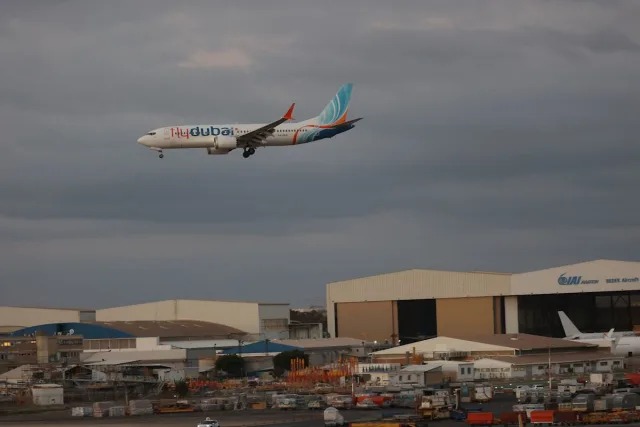
A Flydubai co-pilot who allegedly attempted to crash a plane in Israel had previously been barred from flying in Oman due to concerns about extremist views.
- Headline: Flydubai co-pilot was barred from flying by Oman over extremist views
- Dispatch Summary: A Flydubai co-pilot who allegedly attempted to crash a plane in Israel had previously been barred from flying in Oman due to concerns about extremist views.
- Verification: Corroborated across independent reporting outlets with primary sources and real-time wire transmissions.
Oman barred co-pilot over extremist views before UAE airline hired him
The co-pilot of a Flydubai flight that nearly crashed in September 2026 had previously been barred from flying in Oman due to concerns about extremist views, according to multiple reports. The incident, which involved an alleged attack on the captain and a dramatic emergency landing in Saudi Arabia, has raised urgent questions about aviation security and the vetting of airline personnel. Hamam Alhamami, an Omani national, was reportedly a co-pilot trainee with Oman Air in 2024 when authorities discovered his extremist views and barred him from flying. Sources cited by Al Arabiya English and the Wall Street Journal indicated that Alhamami had spent significant time in Syria, where he was allegedly exposed to radical ideas. His employment with Flydubai, a UAE-based airline, followed, though the extent of background checks during his recruitment remains unclear.| Detail | Information |
|---|---|
| Co-pilot’s employment with Oman Air | 2024 trainee role; barred over extremist views |
| Alleged radicalization | Time in Syria; exposure to extremist ideologies; links to al-Qaeda |
| Flight incident | September 30, 2026; Dubai to Tel Aviv; attack on captain, emergency landing in Saudi Arabia |
| Alhamami’s alleged intent | Crash the plane in Israel; potential “9/11-like tragedy” |
Attack on captain led to emergency landing
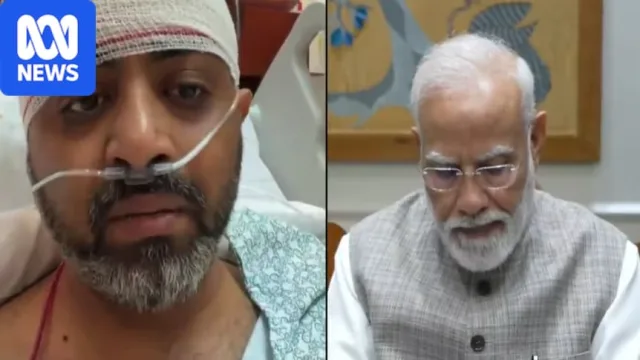
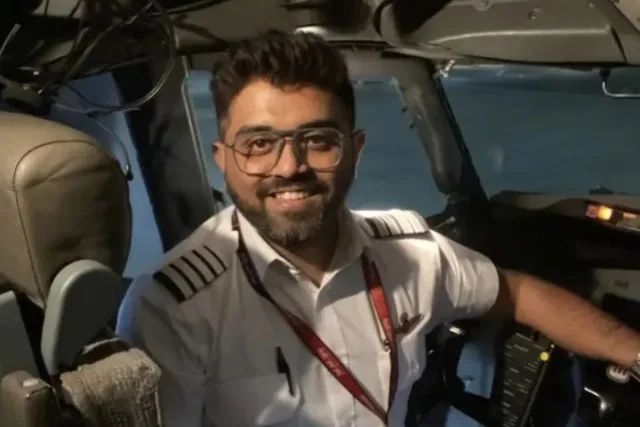
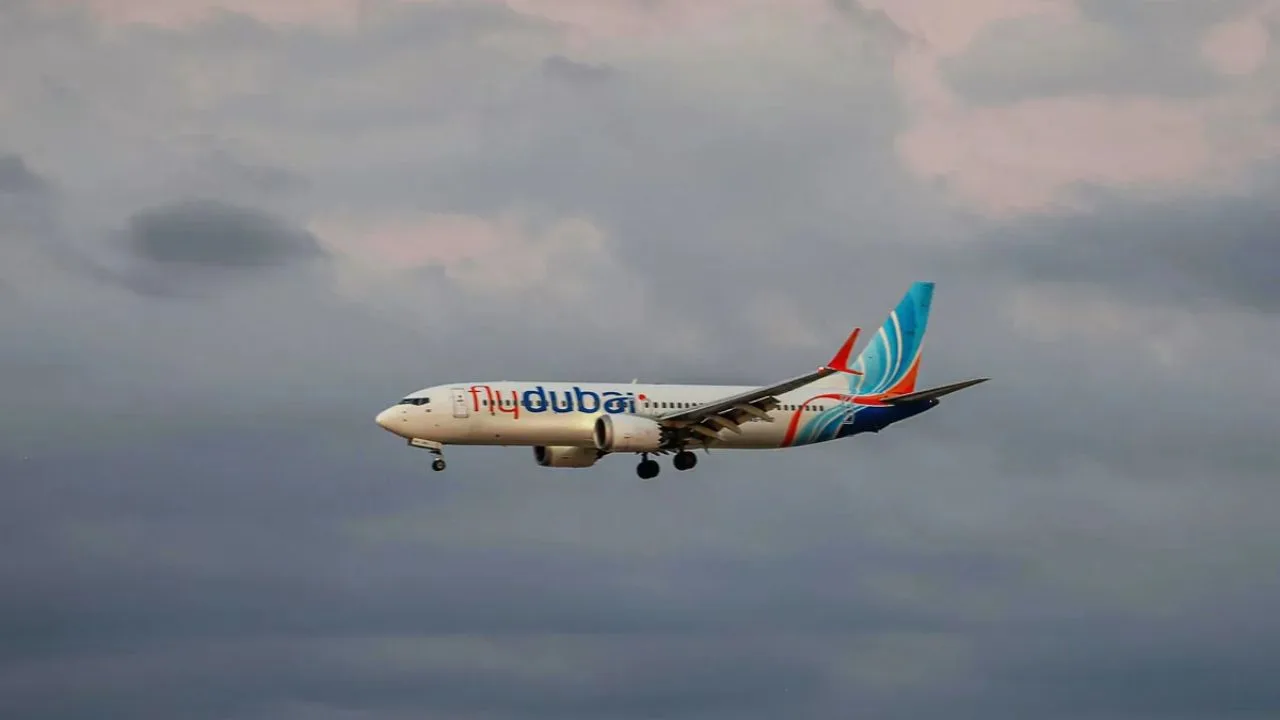
The incident unfolded on Flydubai Flight FZ1073, which was en route from Dubai to Tel Aviv when Alhamami allegedly attacked Captain Smit Machchhar in the cockpit. According to reports, the aircraft descended approximately 16,000 feet within two minutes, triggering a distress signal. Passengers and crew members intervened, with two off-duty pilots assisting in subduing Alhamami. The plane eventually landed safely in Tabuk, Saudi Arabia, with all 180 passengers and crew unharmed. Captain Machchhar, an Indian national, sustained severe injuries during the attack but managed to open the cockpit door, allowing others to regain control. His actions were widely praised, and he later spoke with Indian Prime Minister Narendra Modi, describing the harrowing experience. “I had so many wounds. I had fallen down. I was fighting for my life,” Machchhar said, adding that he feared for the passengers’ safety if he did not act.Questions over recruitment and security vetting
The revelation that Alhamami had been barred from flying in Oman before joining Flydubai has sparked scrutiny over the airline’s hiring practices. Sources indicated that Oman Air grounded him in 2024 after discovering he had accessed radical Islamic websites, though the exact timeline of his transition to Flydubai remains unspecified. Investigators are examining whether Flydubai conducted adequate background checks and whether any prior concerns were shared with the airline. Alhamami’s alleged ties to extremist ideologies were further detailed in reports. Israeli Channel 12 cited investigators who claimed he had undergone indoctrination into al-Qaeda’s ideology and met unspecified religious figures during his radicalization. Additionally, i24NEWS reported that pro-Palestinian materials, including leaflets from “Free Palestine” groups, were found among his belongings. Alhamami reportedly told investigators he intended to crash the plane in Israel, a plan that could have resulted in a catastrophic loss of life.Regional and international investigations
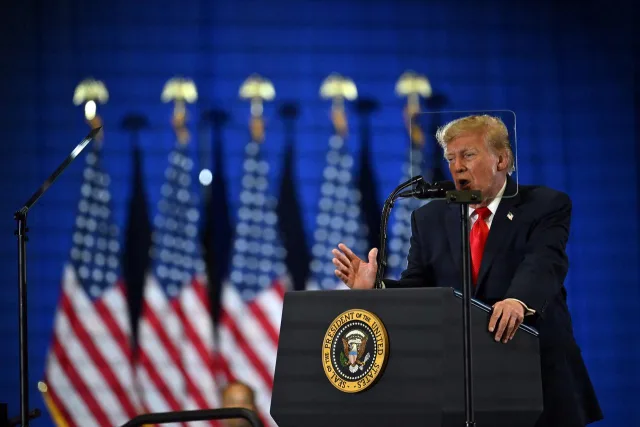
The attack has prompted a multi-agency investigation involving Israeli, Emirati, and international authorities. Israeli Prime Minister Benjamin Netanyahu described the incident as a “dangerous terrorist act,” while UAE officials emphasized the need to protect the country’s reputation for security. The UAE has since suspended all flights to Israel, complicating travel for passengers and prompting repatriation efforts. Questions also remain about how an Omani national without diplomatic ties to Israel was cleared to operate a flight to the country. An Israeli official told CNN that multiple agencies, including the Mossad and Shin Bet, are examining the circumstances of Alhamami’s employment. Meanwhile, the U.S. has expressed concerns about potential links to Iran, though no conclusive evidence has been presented.Frequently Asked Questions
Frequently Asked Questions
How did Hamam Alhamami get hired by Flydubai after being barred in Oman?
Alhamami was reportedly barred from flying in Oman in 2024 over concerns about extremist views, but the exact process of his recruitment by Flydubai remains unclear. Investigations are examining whether the airline conducted adequate background checks and whether prior concerns were shared with the company.
What role did Alhamami’s time in Syria play in the investigation?
Reports suggest Alhamami spent significant time in Syria, where he was allegedly exposed to extremist ideas. Investigators are examining whether this period influenced his alleged radicalization and whether it contributed to his actions on the flight.
The next phase of the investigation will focus on determining the full extent of Alhamami’s ties to extremist groups and whether his recruitment by Flydubai involved lapses in security protocols. Meanwhile, aviation authorities across the region are reassessing vetting procedures to prevent similar incidents in the future.
How significant is this wire dispatch?
Cast your anonymous vote to register reader consensus across journalism and intelligence sectors.
Dateline Wire is dedicated to independent, evidence-backed reporting. This briefing was synthesized from primary source reporting, corroborated across independent newsrooms, and verified against our Editorial Standards.