Flydubai pilot Smit Machchhar recalls cockpit attack from hospital bed
Injured Flydubai pilot Smit Machchhar recounts the terrifying moment his co-pilot attacked him mid-flight, forcing an emergency landing in Saudi Arabia.
- Headline: Flydubai pilot Smit Machchhar recalls cockpit attack from hospital bed
- Dispatch Summary: Injured Flydubai pilot Smit Machchhar recounts the terrifying moment his co-pilot attacked him mid-flight, forcing an emergency landing in Saudi Arabia.
- Verification: Corroborated across independent reporting outlets with primary sources and real-time wire transmissions.
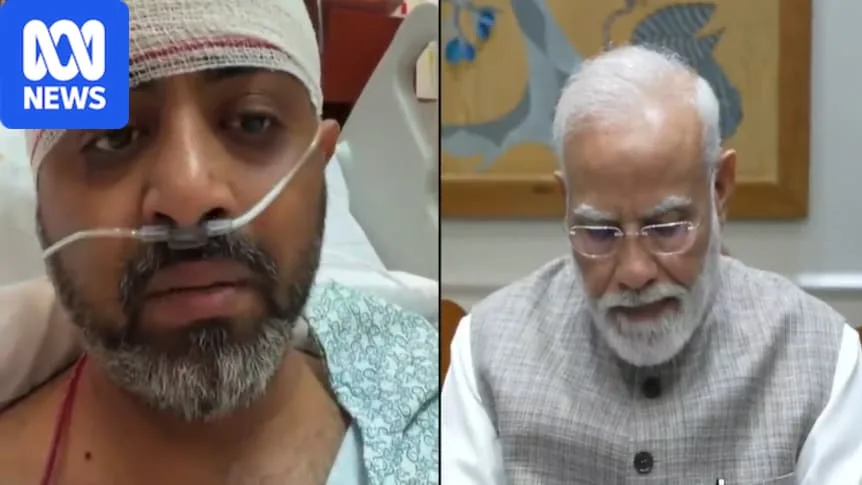
Flydubai pilot Smit Machchhar, who survived a violent cockpit attack by his co-pilot during a flight from Dubai to Tel Aviv, has recounted the harrowing ordeal from his hospital bed in Abu Dhabi. The incident, which unfolded on Wednesday, involved the co-pilot attempting to seize control of the aircraft, triggering a steep descent and a chaotic struggle that ultimately ended with the plane being diverted to Saudi Arabia.
Pilot recounts cockpit battle, describes 'fight for my life'
Machchhar, speaking to Indian Prime Minister Narendra Modi in a video call, described the moment his co-pilot attacked him, leaving him severely injured. “I had so many wounds. I had fallen down,” he said, his voice trembling as he recalled the attack. “I was fighting for my life. At one point, I realized that if I didn’t get up … then passengers would lose their lives.”
The co-pilot, identified as an Omani national by Israeli authorities, allegedly launched the assault to take control of the Boeing 737, according to reports. The plane, carrying 180 passengers and crew, plunged nearly 14,000 feet in less than 30 seconds, according to flight-tracking data. Machchhar managed to open the cockpit door while still on the floor, allowing passengers to enter and subdue the attacker. One passenger, Israeli citizen Asaf Rajuan, described using a chokehold to pin the co-pilot down.
“I couldn’t let them die,” Machchhar said, reflecting on his actions. “I was of course fighting for my own life, but at the same time I knew I was not going to let others die.”
Emergency landing, global praise, and unanswered questions
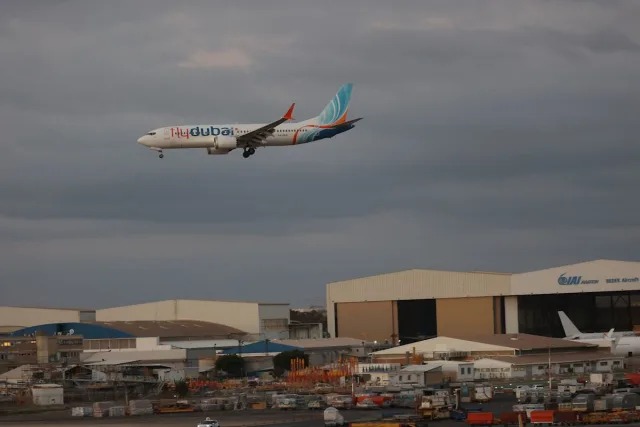
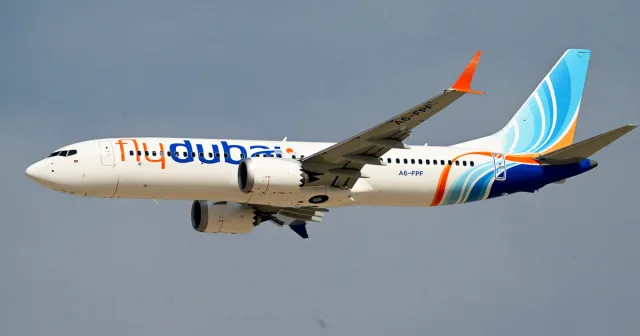
The flight, designated FZ1073, was diverted to Tabuk in Saudi Arabia, where it landed safely. All 180 people on board survived, though Machchhar and several passengers sustained injuries. The co-pilot was arrested in Saudi Arabia and is undergoing interrogation, with Israeli officials suggesting he may have been radicalized. Prime Minister Netanyahu stated that the attacker “underwent Islamist radical indoctrination,” though the investigation remains ongoing.
Machchhar’s actions earned widespread acclaim. Netanyahu called him a “hero,” as did U.S. President Donald Trump, who described the co-pilot as “perhaps a terrorist or perhaps a whack-job.” Indian Prime Minister Modi praised Machchhar’s “courage, patience, and quick decision-making,” adding that the nation was “proud of him.”
Despite the praise, questions persist about the co-pilot’s motives. Israeli security officials initially assessed him as acting alone, though the possibility of broader ties remains under investigation. Netanyahu noted the co-pilot’s “Islamist tendencies” but cautioned against premature conclusions.
Background on the pilot and the flight
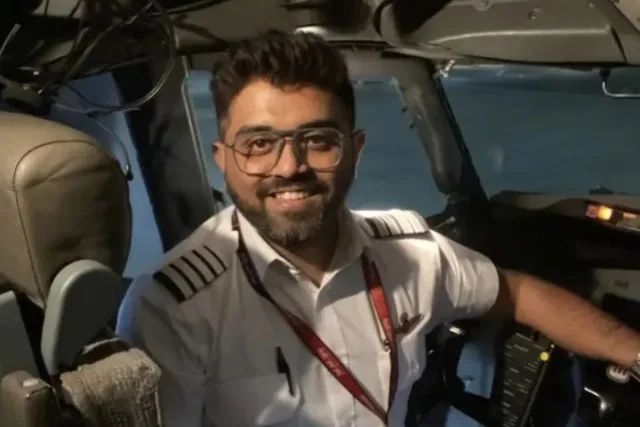
Machchhar, a Indian national with over a decade of aviation experience, has worked for Flydubai for four years. Before joining the airline, he spent 11 years with SpiceJet, where he logged more than 9,750 flying hours. His LinkedIn profile highlights his role as a senior commander and line training captain.
The flight, which departed Dubai on Wednesday morning, was en route to Tel Aviv when the attack occurred. The plane’s descent forced an emergency landing in Saudi Arabia, where the co-pilot was detained. Machchhar, who is married with two children, described reciting the Hanuman Chalisa, a Hindu devotional hymn, during the crisis as a source of strength.
| Detail | Information |
|---|---|
| Flight details | FZ1073, Dubai to Tel Aviv, 180 people on board |
| Altitude drop | 14,000 feet in less than 30 seconds |
| Pilot’s experience | Over 9,750 flying hours, 11 years with SpiceJet |
| Co-pilot’s nationality | Omani national, arrested in Saudi Arabia |
| Survivors | All 180 passengers and crew survived |
Frequently Asked Questions
How did the pilot survive the attack?
Machchhar opened the cockpit door while being attacked, allowing passengers to enter and subdue the co-pilot. He sustained multiple injuries but was able to stabilize the plane before the emergency landing.
Who was the co-pilot, and what is known about his motives?
The co-pilot was identified as an Omani national. Israeli authorities suggest he may have been radicalized, citing “Islamist tendencies” in his background, but no definitive evidence of a broader plot has been released.
What is the current status of the investigation?
The co-pilot is in custody in Saudi Arabia, undergoing interrogation. Israeli and international officials are assessing his motives, though no final conclusions have been announced.
The incident has reignited security concerns in Israel, particularly as the country approaches elections. Meanwhile, Machchhar remains in stable condition in Abu Dhabi, where he is recovering from his injuries. His account, shared in a video call with Modi, underscores the critical role of quick thinking and courage in averting a potential disaster. As the investigation continues, the world watches for further clarity on the co-pilot’s actions and the broader implications for aviation security.
How significant is this wire dispatch?
Cast your anonymous vote to register reader consensus across journalism and intelligence sectors.
Dateline Wire is dedicated to independent, evidence-backed reporting. This briefing was synthesized from primary source reporting, corroborated across independent newsrooms, and verified against our Editorial Standards.