Trump shares Sen. Tom Cotton's cell number in daylight saving time feud
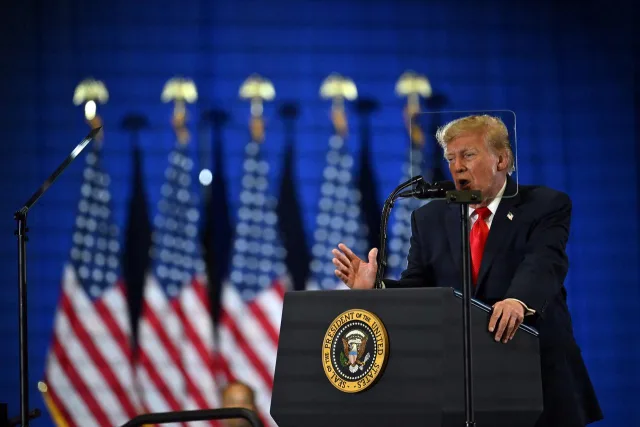
President Donald Trump shared what he claimed was Senator Tom Cotton's cell phone number to pressure him into supporting permanent daylight saving time legislation.
- Headline: Trump shares Sen. Tom Cotton's cell number in daylight saving time feud
- Dispatch Summary: President Donald Trump shared what he claimed was Senator Tom Cotton's cell phone number to pressure him into supporting permanent daylight saving time legislation.
- Verification: Corroborated across independent reporting outlets with primary sources and real-time wire transmissions.
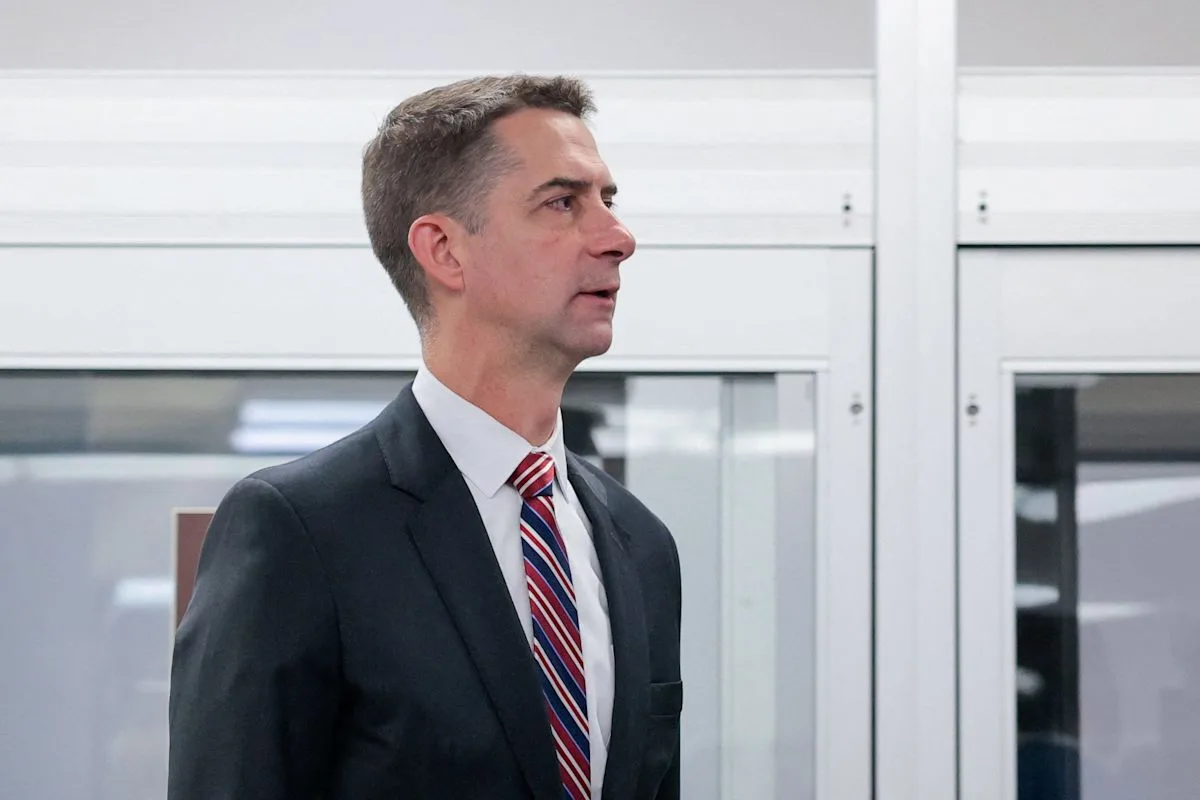
Trump’s Public Pressure on Cotton Over Daylight Saving Time Legislation
President Donald Trump escalated a public feud over daylight saving time legislation on October 3, 2026, by sharing what he claimed was the personal cell phone number of Senator Tom Cotton, a Republican from Arkansas. The move came as Trump pushed for the passage of the Sunshine Protection Act, which would end the biannual practice of adjusting clocks and establish permanent daylight saving time. Trump’s post on Truth Social urged Arkansans to contact Cotton directly, writing, “Call Tom on his cellphone” and attaching a number with an Arkansas area code. The president argued that Cotton, who chairs the Senate Intelligence Committee, was “holding up a very important Bill” and called on supporters to “GET IT DONE.” The post also referenced a letter from PGA Tour CEO Brian Rolapp, who supported the legislation, and cited a 2025 poll indicating majority public support for ending clock changes.| Detail | Information |
|---|---|
| House Vote on Sunshine Protection Act | July 2026: Passed with 308–117, according to Trump’s post. |
| Trump’s Claim About Cotton | “For some reason, Tom is stopping the Bill,” Trump wrote, accusing Cotton of blocking the legislation. |
| Cotton’s Opposition | Senator Cotton, a Senate leadership member, argued permanent daylight saving time would “again make winter a dark and dismal time for millions of Americans,” citing risks to morning commuters and schoolchildren. |
| Phone Number Verification | Associated Press and USA TODAY attempted to call the number Trump shared but encountered a full voicemail box with no identification of Cotton’s office. |
Cotton’s Stance and Historical Context of Trump’s Tactics
Cotton, who has consistently opposed the Sunshine Protection Act, reiterated his position in a social media post, stating, “No one likes changing the clock, me included, but Congress has enacted permanent Daylight Savings Time multiple times before and repealed it each time once Americans experienced absurdly late sunrises in the winter.” He emphasized his commitment to Arkansas interests, noting that “Arkansans don’t want their kids going to school in the pitch dark.” The dispute reflects broader tensions within the Republican Party over the legislation. While Trump and some lawmakers argue that permanent daylight saving time would benefit workers, athletes, and businesses, opponents like Cotton warn of safety risks. The bill has faced delays in the Senate, with some Republicans, including Louisiana Senator John Kennedy, dismissing it as “dead as disco.” Trump’s decision to share Cotton’s number echoes a pattern of public shaming of political adversaries. During the 2015 presidential campaign, he released the personal phone number of then-Senator Lindsey Graham after Graham criticized him, prompting a viral video in which Graham destroyed flip phones. Graham later became a close Trump ally, though he died in 2023.Public Reaction and Unanswered Questions
The incident has drawn scrutiny over the ethical boundaries of political pressure tactics. While Trump framed his actions as a call for direct civic engagement, critics have questioned the appropriateness of sharing personal contact information without verification. Cotton’s office did not immediately respond to requests for comment, referring reporters to his October 2025 Senate speech. A 2025 poll by The Associated Press-NORC Center for Public Affairs Research found that 47% of U.S. adults oppose the current daylight saving time system, while 40% are neutral. Only 12% favor the status quo, suggesting broad public interest in ending clock changes. However, the Senate’s procedural hurdles and internal divisions remain significant obstacles.Frequently Asked Questions
Was the phone number Trump shared for Tom Cotton verified?
Unconfirmed reports indicate that calls to the number Trump provided went to a full voicemail box with no identification of Cotton’s office. No official confirmation of the number’s validity has been released.
What is Tom Cotton’s position on the Sunshine Protection Act?
Cotton, a Senate leadership member, opposes the bill, arguing that permanent daylight saving time would lead to “absurdly late sunrises” in winter, endangering commuters and schoolchildren. He has cited historical examples of the policy being repealed after negative consequences.
What is the current status of the Sunshine Protection Act?
The bill passed the House in July 2026 but faces opposition in the Senate, where some Republicans, including Cotton and John Kennedy, have expressed skepticism. The legislation requires bipartisan support to advance, though Senate Majority Leader John Thune has not yet scheduled a vote.
Next Steps and Unresolved Issues
The feud highlights the challenges of passing legislation in a polarized Congress, where personal attacks and procedural delays often overshadow policy debates. With the Senate’s November 2026 elections looming, Cotton’s re-election bid in Arkansas—where Trump won 64% of the vote in 2024—may influence his stance. Meanwhile, the White House continues to push for the bill, framing it as a bipartisan effort to modernize timekeeping. The next critical test will be whether Senate Republicans can reconcile their differences or if the legislation will face further delays.How significant is this wire dispatch?
Cast your anonymous vote to register reader consensus across journalism and intelligence sectors.
Dateline Wire is dedicated to independent, evidence-backed reporting. This briefing was synthesized from primary source reporting, corroborated across independent newsrooms, and verified against our Editorial Standards.