UAE says FlyDubai co-pilot attacked captain with cockpit's crash axe
The UAE confirmed that a Flydubai co-pilot used a cockpit crash axe to attack the captain during a flight from Dubai to Tel Aviv, forcing an emergency landing in Saudi Arabia.
- Headline: UAE says FlyDubai co-pilot attacked captain with cockpit's crash axe
- Dispatch Summary: The UAE confirmed that a Flydubai co-pilot used a cockpit crash axe to attack the captain during a flight from Dubai to Tel Aviv, forcing an emergency landing in Saudi Arabia.
- Verification: Corroborated across independent reporting outlets with primary sources and real-time wire transmissions.
UAE Confirms Co-Pilot Used Crash Axe in Attack on Flydubai Flight
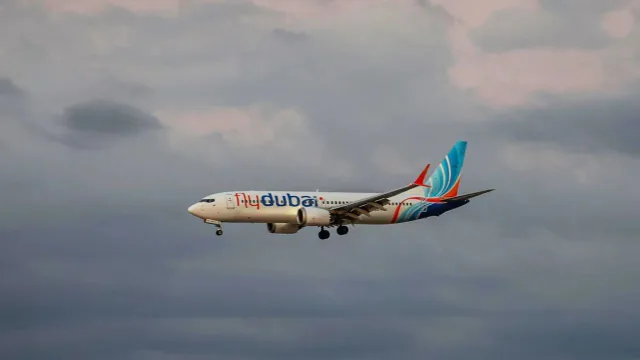
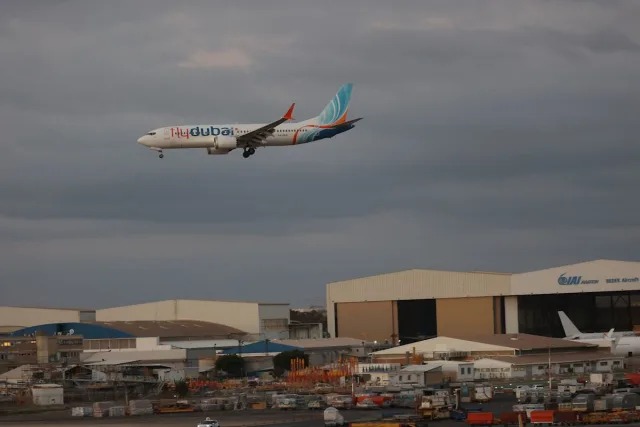
The United Arab Emirates has confirmed that a Flydubai co-pilot attacked the captain of an Israel-bound flight with a cockpit crash axe, triggering an emergency landing and raising concerns about aviation security. The incident, which occurred on September 30, 2026, involved flight FZ1073, a Boeing 737 Max 8 carrying over 170 passengers and crew. The co-pilot, identified as Omani national Hamam al-Hammami, allegedly attempted to seize control of the aircraft, prompting passengers and a reserve pilot to intervene and stabilize the plane before it could crash.
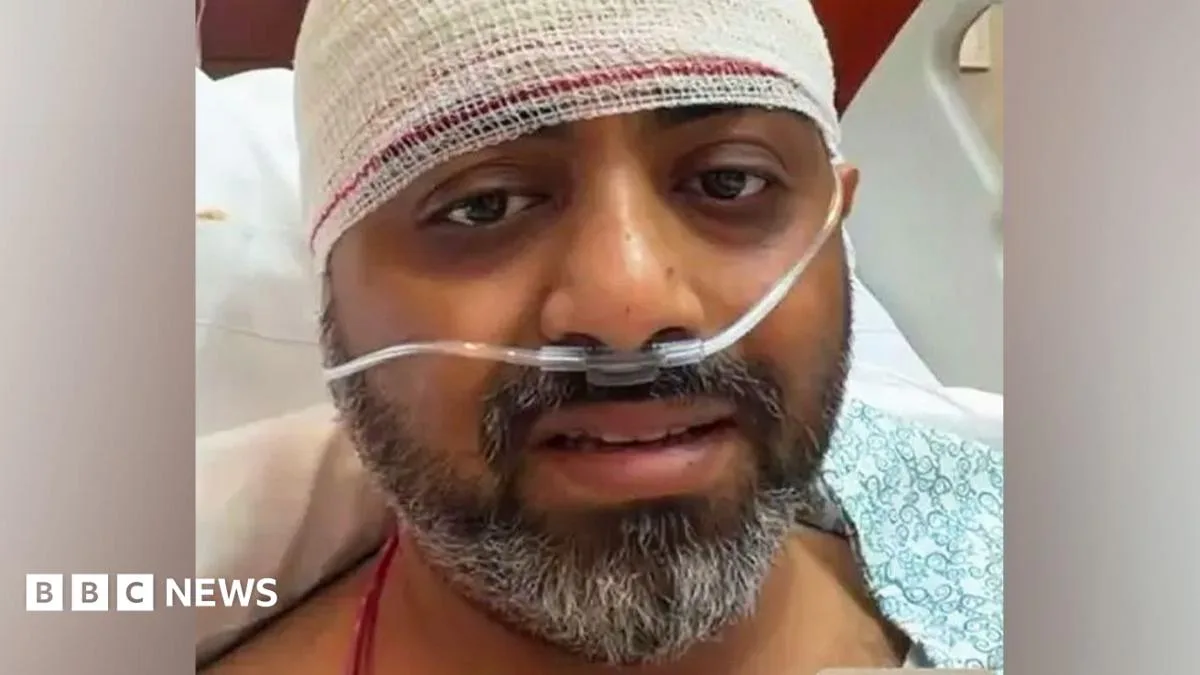
The UAE prosecutor general, Hamad Saif Al Shamsi, described the attack as an "attempted terrorist act" in a statement cited by state news agency WAM. The co-pilot used a crash axe—a tool typically stored in cockpits for emergency scenarios—to stab the captain, who was later identified as Indian national Smit Machchhar. Machchhar, who sustained injuries during the attack, managed to unlock the cockpit door, allowing passengers and crew to subdue the co-pilot. The aircraft then made an emergency landing at Tabuk airport in Saudi Arabia, where the co-pilot was detained by authorities.
Co-Pilot’s Background Raises Questions About Vetting and Security
Al-Hammami, born in the UAE to an Omani father and Syrian mother, had previously been barred from flying in Oman due to concerns over "extremist views," according to multiple sources. A regional official with knowledge of the investigation revealed that he was employed by Oman’s national airline, Oman Air, but was removed from flying duties and reassigned to an administrative role. Despite this, he was later hired by Flydubai, a UAE-based airline, though the extent of his vetting remains unclear.
The incident has sparked scrutiny over how al-Hammami obtained his position despite his disputed background. Israeli officials noted that Oman and Israel do not maintain formal diplomatic relations, complicating efforts to verify his credentials. A Gulf diplomat involved in the investigation stated that investigators are examining whether al-Hammami acted as a "lone wolf" or had connections to extremist groups. No conclusive evidence of such links has been disclosed, but the UAE and Israel have launched joint inquiries into the motive and circumstances of the attack.
Indian Pilot Praised for Heroism, Passengers Describe Chaos
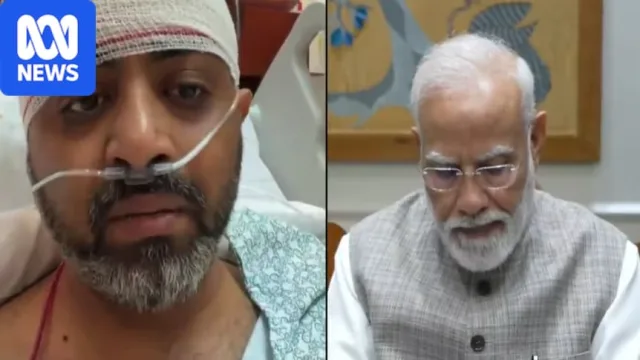
Captain Smit Machchhar, who was stabbed during the attack, has been hailed as a hero for his actions in preventing a potential disaster. In a video call with Indian Prime Minister Narendra Modi, Machchhar described how he used his remaining strength to unlock the cockpit door, allowing passengers to intervene. "I told myself, 'This is the last push, Smit. The door is right there,'" he said, according to reports. Machchhar was airlifted to Abu Dhabi for treatment and is reported to be in stable condition, though his recovery remains ongoing.
Passengers aboard the flight recounted the harrowing experience, including a sudden 16,625-foot plunge over Saudi Arabia. Mika Bauman, a dual US-Israeli citizen, described the descent as "like a normal air pocket" before the plane’s systems failed, causing chaos among passengers. Another passenger, Adam Polo, likened the experience to "the craziest roller coaster that you ever did, but multiplied by a thousand." The incident has heightened security concerns in Israel, particularly as the country prepares for upcoming elections.
Investigations Continue Amid Uncertainty
UAE authorities have stated that investigations are ongoing to determine the full circumstances of the attack, including the co-pilot’s motives and any potential connections to extremist networks. Israeli Prime Minister Benjamin Netanyahu has alleged that al-Hammami underwent "Islamist radicalization" but has not provided evidence to support this claim. Israeli officials are also examining whether the co-pilot acted under external direction, with Netanyahu warning that "anyone involved would pay a heavy price."
The co-pilot’s social media activity has also come under scrutiny. His LinkedIn profile reportedly featured posts containing cockpit videos, references to Israeli airlines, and images of former al-Qaeda figures. However, no direct links to extremist organizations have been confirmed. Meanwhile, Flydubai has suspended flights between Dubai and Tel Aviv while authorities investigate the incident, leaving passengers stranded and prompting Israeli airlines to arrange rescue flights.
| Detail | Information |
|---|---|
| Flight Details | Flight FZ1073, Boeing 737 Max 8, Dubai to Tel Aviv |
| Passengers and Crew | Over 170 people on board, including Israeli nationals |
| Incident Timeline | Attack occurred 2.5 hours into the flight; emergency landing in Saudi Arabia |
| Co-Pilot’s Background | Omani national, previously barred from flying in Oman due to "extremist views" |
| Captain’s Condition | Smit Machchhar sustained injuries but is in stable condition |
Frequently Asked Questions
Who is the co-pilot involved in the incident?
The co-pilot is identified as Hamam al-Hammami, an Omani national born in the UAE to an Omani father and Syrian mother. He was previously barred from flying in Oman due to concerns over "extremist views" and later hired by Flydubai, though the extent of his vetting remains unclear.
What is the current status of the investigation?
The UAE and Israeli authorities are conducting a joint investigation into the motives and circumstances of the attack. While no direct links to terrorist organizations have been confirmed, investigators are examining whether al-Hammami acted alone or had connections to extremist groups. The co-pilot’s social media activity is also under review.
What happened to the pilot who was attacked?
Indian pilot Smit Machchhar was stabbed during the attack but managed to unlock the cockpit door, allowing passengers and crew to subdue the co-pilot. He was airlifted to Abu Dhabi for treatment and is reported to be in stable condition, though his recovery is ongoing.
The incident has raised critical questions about aviation security and the vetting of flight crew, particularly in light of al-Hammami’s prior restrictions in Oman. As investigations continue, the focus remains on whether the attack was an isolated act or part of a broader pattern of extremist activity. The UAE and Israel have pledged to share findings, but the lack of transparency surrounding the co-pilot’s radicalization and connections has left many unanswered questions. The next steps will likely involve a detailed report from the joint investigation, which could influence future security protocols for airlines operating in the region.
How significant is this wire dispatch?
Cast your anonymous vote to register reader consensus across journalism and intelligence sectors.
Dateline Wire is dedicated to independent, evidence-backed reporting. This briefing was synthesized from primary source reporting, corroborated across independent newsrooms, and verified against our Editorial Standards.