UK Sanctions Eight Israeli Settlement Firms and Aid-Blocking Activist Group
Britain has imposed sanctions on eight Israeli construction and property development companies operating in the West Bank alongside the Tzav 9 activist group.
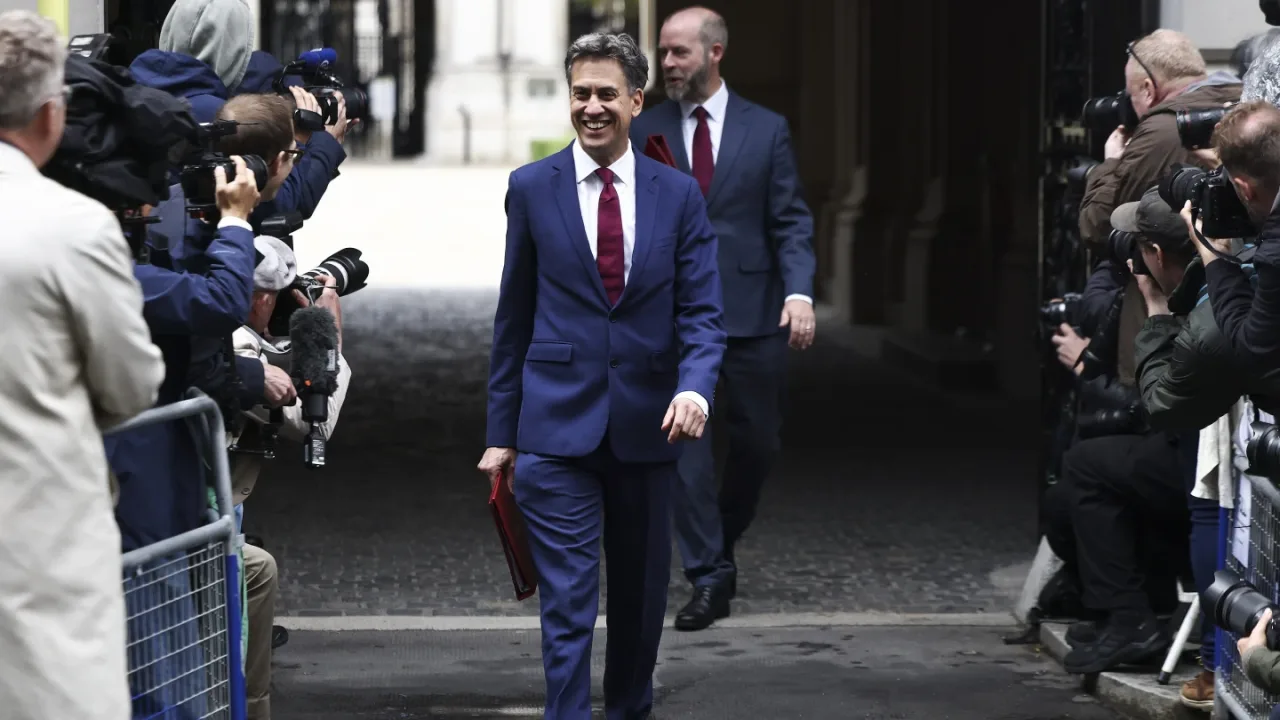
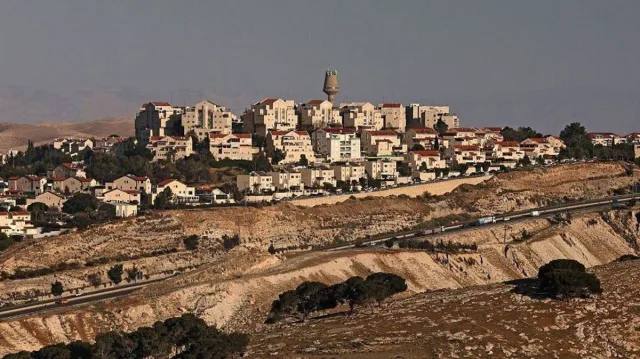
Britain imposed sanctions on eight Israeli construction and property development companies operating in the West Bank alongside an activist group accused of blocking humanitarian aid to Gaza, deploying measures that include asset freezes and director disqualifications under the expanded Global Human Rights and International Humanitarian Law sanctions regime. The Tuesday announcement by British Foreign Secretary Ed Miliband targets businesses involved in planning, building, and marketing homes in Jewish communities in Judea and Samaria, as well as Tzav 9, an Israeli activist movement that has organized protests against aid shipments entering the Gaza Strip.
That leaves the financial viability of those eight builders facing direct disruption from London just as major tender deadlines approach. The move marks the first set of sanctions against Israeli companies working in the West Bank under a shifting British policy toward Israel’s actions in the territory, following a diplomatic confrontation in September and October that saw threats to close the British consulate in Jerusalem.
What led Britain to hit eight West Bank builders and Tzav 9 on Tuesday?
The escalation stems from a broader policy shift initiated on Sept. 8, when Miliband announced plans to ban imports from Israeli communities in the territory and declared the occupation unlawful as a whole. That September announcement provoked an immediate backlash from Israeli Foreign Minister Gideon Sa’ar, who condemned the boycott as a despicable practice harming hard-working citizens. Israel responded by moving to close the British consulate general in Jerusalem, restricting British participation in Gaza coordination activities, and placing entry bans on several British officials.
Following negotiations in October, the two countries reached an understanding allowing Britain to maintain a reduced diplomatic presence. The former consulate was renamed the U.K. Mission, Jerusalem, with seven diplomats permitted to operate after approximately 20 British personnel were withdrawn. Ambassador Danny Danon condemned the September sanctions as shameful and unhelpful, warning JNS that restrictions on Israeli businesses in Judea and Samaria would hurt Palestinians employed by those companies. Israel then established the principle that actions against the Jewish state would carry diplomatic consequences, according to Sa'ar.
The friction intensified further when changes to Britain's human rights sanctions framework were introduced on Oct. 13, expanding government authority to target individuals and companies accused of serious violations of international humanitarian law. This laid the groundwork for Tuesday's asset freezes and director disqualifications against the eight specific development firms.
Who are the targeted companies and what do the numbers show?
The Foreign Office accused the current Israeli government of facilitating and encouraging settlement expansion, claiming that more projects had been approved under the current Israeli government than during the previous two decades. The sanctions arrive just before deadlines for tenders associated with the E1 development project near Ma’ale Adumim, which London maintains would undermine the territorial viability of a future Palestinian state by separating parts of Judea and Samaria from eastern Jerusalem. The Jewish Chronicle reported that the main tender covering 2,167 settlement units opens for bidding on December 1.
The eight designated firms span various communities across the territory, as detailed in government and news reports:
| Company Name | Area of Operation | Key Locations Cited |
|---|---|---|
| Har Hevron Development Company Ltd. | Southern Judea and Samaria | Not specified in reports |
| Hemdat Shomron Ltd. | Shomron region | Einav, Kfar Tapuach, Peduel, Ma’ale Efraim, Mitzpe Yericho, Dolev |
| S.A.G. (Velvel) Construction and Development Ltd. | West Bank | Efrat, Shilo, Eli |
| Lev HaHar Yazamut Ltd. | West Bank | Itamar, Elon Moreh, Bruchin, Rechelim, Neria |
| Harey Zahav | Israel and abroad (marketing) | Residential properties in the territory |
| Ariel Residential Judea & Samaria Ltd. | Judea and Samaria | Housing and public infrastructure |
| Ami Gvirtzman Architects 2021 Ltd. | Judea and Samaria | Housing and public infrastructure |
| Z.F. Building Company Ltd. | Judea and Samaria | Housing and public infrastructure |
These businesses have helped plan, build, supply, or market housing and public infrastructure in Israeli communities, according to the Foreign Office.
Why is the humanitarian crisis in Gaza tied to the new measures?
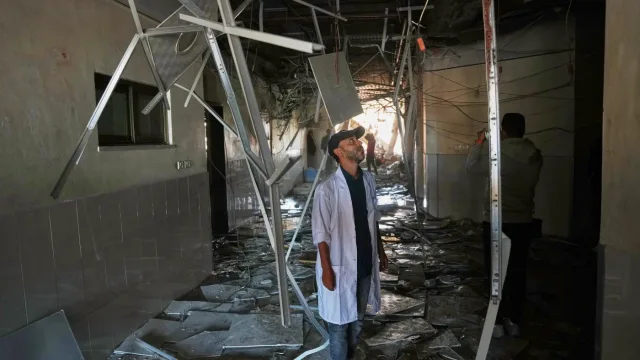
Alongside the settlement builders, Britain targeted Tzav 9, an Israeli activist movement accused of organizing demonstrations and blockades targeting humanitarian aid convoys bound for Gaza as recently as October. The Foreign Office tied the designation to worsening conditions on the ground, pointing to severe flooding that left nearly 4,000 households without shelter while approximately 1.4 million people were living in tents or makeshift accommodations. Citing United Nations figures, London reported that more than 150,000 tents and 300,000 tarpaulins purchased by humanitarian organizations remained outside Gaza awaiting entry.
The British government and the UN also stated that Israeli authorities continue to block timber from entering, leaving no emergency shelter kits available in Gaza. On Nov. 12, British Minister Stephen Doughty announced an additional £5 million for UNICEF’s winter relief programs in Gaza, supplementing £14 million already allocated to the agency this year. Britain also convened representatives of more than 50 countries at the United Nations to call for increased humanitarian access.
The Israeli government defends its restrictions by claiming that the blockage of certain dual-use goods is necessary to prevent Hamas from obtaining items that could be used to attack Israel, a dispute over entry points that has lasted for more than two years.
What should affected readers and travelers watch for next?
For investors, businesses, and individuals navigating trade between the UK and Israel, the Foreign Office maintains a clear distinction:
- Britain continues to welcome trade with Israel within the pre-1967 lines, known as green line Israel.
- Commerce and economic activity in Judea and Samaria are firmly separated from green line trade.
- The British government is continuing to develop legislation to ban imports of goods produced in Israeli communities in Judea and Samaria, as well as advertising services for properties located there.
- Companies are warned against bidding on, building in, or profiting from the E1 development project.
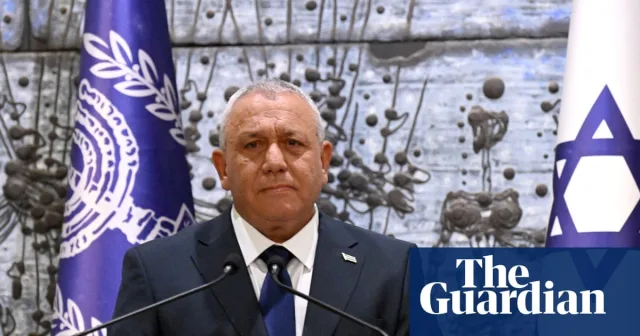
That leaves political watchers waiting to see how a potential new Israeli government will engage with London. The Guardian noted that Israel's possible new prime minister, Gadi Eisenkot, stated that if appointed, he will take a tougher approach than Benjamin Netanyahu to settler violence.
Protecting the two-state solution is the North Star of this Government’s approach,
Miliband said. That is why my message on E1 is clear: do not bid, do not build, and do not profit from the destruction of the two-state solution. And we will not stand by while those blocking desperately needed aid deepen the intolerable suffering of civilians in Gaza.
Miliband also added an olive branch, stating, We are committed to working productively with a new Israeli government and the Palestinian Authority to advance lasting peace and security for Israelis and Palestinians alike.