Mahmoud Abbas postpones Palestinian legislative and presidential elections
Palestinian President Mahmoud Abbas has postponed parliamentary elections and combined them with a presidential vote on September 11, 2027, citing security and logistical hurdles.
- Headline: Mahmoud Abbas postpones Palestinian legislative and presidential elections
- Dispatch Summary: Palestinian President Mahmoud Abbas has postponed parliamentary elections and combined them with a presidential vote on September 11, 2027, citing security and logistical hurdles.
- Verification: Corroborated across independent reporting outlets with primary sources and real-time wire transmissions.
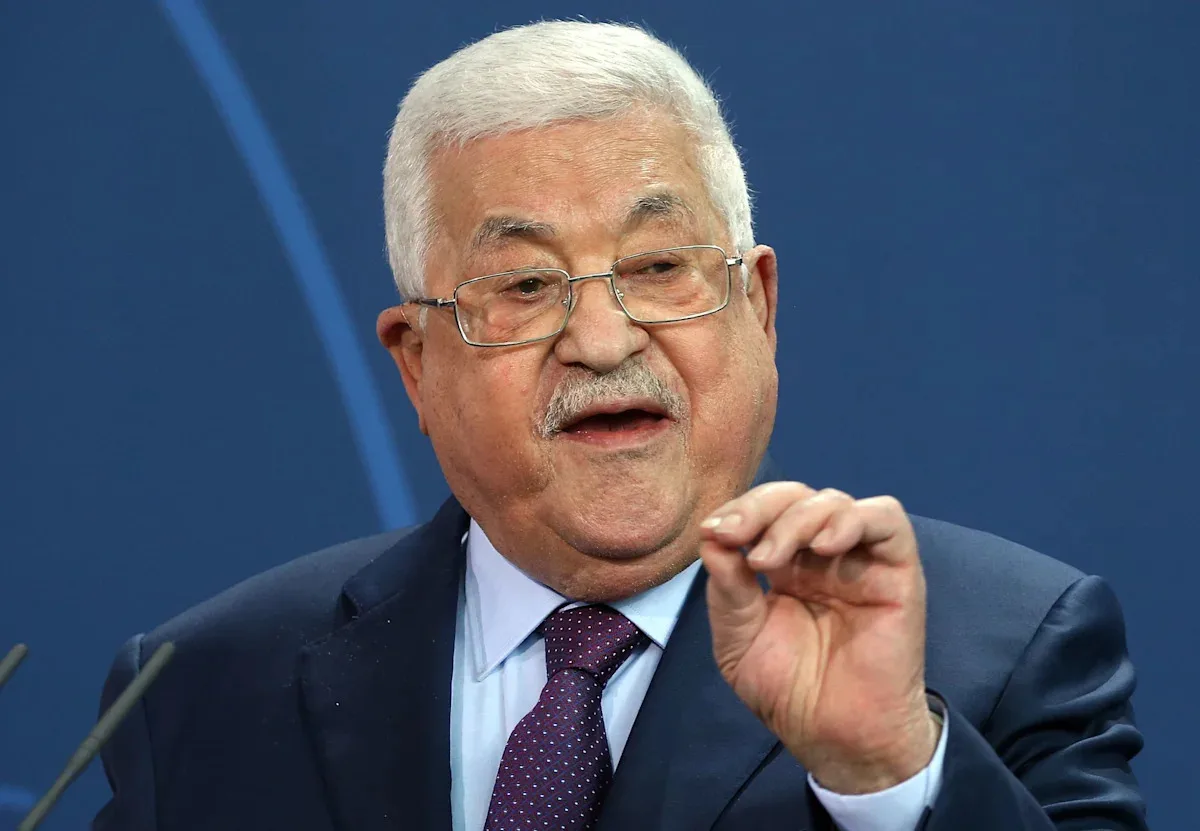
Palestinian President Mahmoud Abbas has delayed parliamentary elections previously scheduled for late November, combining them with a presidential vote on a single new date of September 11, 2027. The decision, reported by the official Palestinian news agency WAFA on Saturday following a presidential decree and a morning meeting of top Palestinian officials, pushes back the first national ballot in more than two decades and leaves entrenched leaders in place.
The postponement comes after intense international pressure and domestic friction over the feasibility of holding a vote. It leaves the Palestinian Authority facing renewed questions about its legitimacy from both its own citizens and the foreign donors who fund it, while cementing a political status quo that has persisted since 2006.
Security and Logistical Hurdles Cited by the Leadership
The Executive Committee of the Palestine Liberation Organization, headed by Abbas, approved the delay after concluding that conditions in the West Bank, occupied East Jerusalem, and the Gaza Strip had changed fundamentally since the elections were announced. The presidency pointed to security, logistical, and on-the-ground obstacles that made establishing the necessary conditions impossible.
Specific factors included Israeli military restrictions in the West Bank, the expansion of Jewish settlements, attacks by armed settlers, and a lack of freedom of movement. Officials also cited Israel's systemic withholding of Palestinian tax revenues, restrictions on electoral candidates, and a refusal to allow election materials or international observers into Gaza and occupied East Jerusalem.
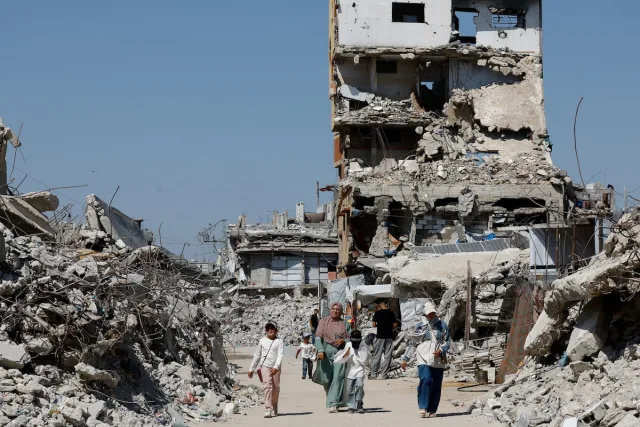
Regarding Gaza specifically, the leadership pointed to the precarious security situation, the lack of progress on reconstruction, and the pending deployment of an international stabilization force. Palestinian factions, including Abbas's Fatah party, had agreed to hold a national dialogue before the November vote, with a source telling the AFP news agency on Thursday that the factions were seeking a delay. In early September, Fatah Secretary General Jibril Rajoub told reporters that the November elections would not be held on time, arguing that holding a national dialogue first would solve a large part of the problem.
Two Decades of Rule Without a Mandate
The delay extends a prolonged period of one-man rule and institutional paralysis in the Palestinian territories. Mahmoud Abbas, 90, was elected president on January 9, 2005, for a four-year term that expired in 2009. He has since ruled by decree, while presidential elections have been repeatedly postponed or canceled.
Legislative elections were last held on January 25, 2006, when the Palestinian Islamist movement Hamas won a majority of 74 out of 132 seats in the Palestinian Legislative Council, defeating Abbas's rival Fatah faction. A year later, following clashes with Fatah, Hamas took sole control of the Gaza Strip, creating a territorial divide between the West Bank and Gaza. The parliament was largely incapacitated and eventually ordered dissolved by the Palestinian Constitutional Court in late 2018, having not met since 2007. Abbas also chairs the Palestine Liberation Organization, which represents the Palestinian people internationally, while Hamas is not a member of the organization.
Mahmoud Abbas is fooling the international community by cancelling once again promised elections. They keep deceiving. Consequences? Not for the corrupt PA!
Gideon Saar, Israeli Foreign Minister, via X / France 24
International Reaction and the Stance of Western Donors
The decision to delay the vote runs counter to the strong advocacy of international partners who view elections as vital for democratic renewal. European Union officials had signaled robust support for the November ballot to go ahead.
Earlier in the week, EU top diplomat Kaja Kallas stated that the elections would offer a long-overdue opportunity to renew the legitimacy of Palestinian institutions, adding that Palestinians have the right to choose their representatives in votes that are credible, inclusive, and transparent. In September, EU Commissioner for the Mediterranean Dubravka Šuica welcomed the decision to hold elections before the end of the year, writing on social media that ensuring a fair, credible, and inclusive electoral process is essential to strengthening Palestinian institutions. Meanwhile, Israeli Foreign Minister Gideon Sa'ar accused Abbas of fooling the international community as rumors of the postponement circulated on Friday.
What the Postponement Means for Palestinians
For ordinary Palestinians, the cancellation of the November vote means a continued absence of local representation and democratic accountability. The last legislative elections occurred when many current voters were children, and the leadership has operated without a renewed mandate for nearly two decades.
The indefinite continuation of the current administration leaves the Palestinian Authority vulnerable to deepening cynicism among a populace that views the leadership as entrenched and unpopular. With the next potential ballot pushed out to September 11, 2027, the central question is whether the security obstacles, territorial division, and international disputes cited by the leadership can be resolved in the intervening months, or if the new date will meet the same fate as previous promises.