France Reports First Human Shamonda Virus Case Following Patient Death
France has confirmed the first-ever human case of the Shamonda virus following the death of an immunocompromised patient in Lyon. The insect-borne pathogen, previously found only in livestock, is under close European surveillance.
- Headline: France Reports First Human Shamonda Virus Case Following Patient Death
- Dispatch Summary: France has confirmed the first-ever human case of the Shamonda virus following the death of an immunocompromised patient in Lyon. The insect-borne pathogen, previously found only in livestock, is under close European surveillance.
- Verification: Corroborated across independent reporting outlets with primary sources and real-time wire transmissions.
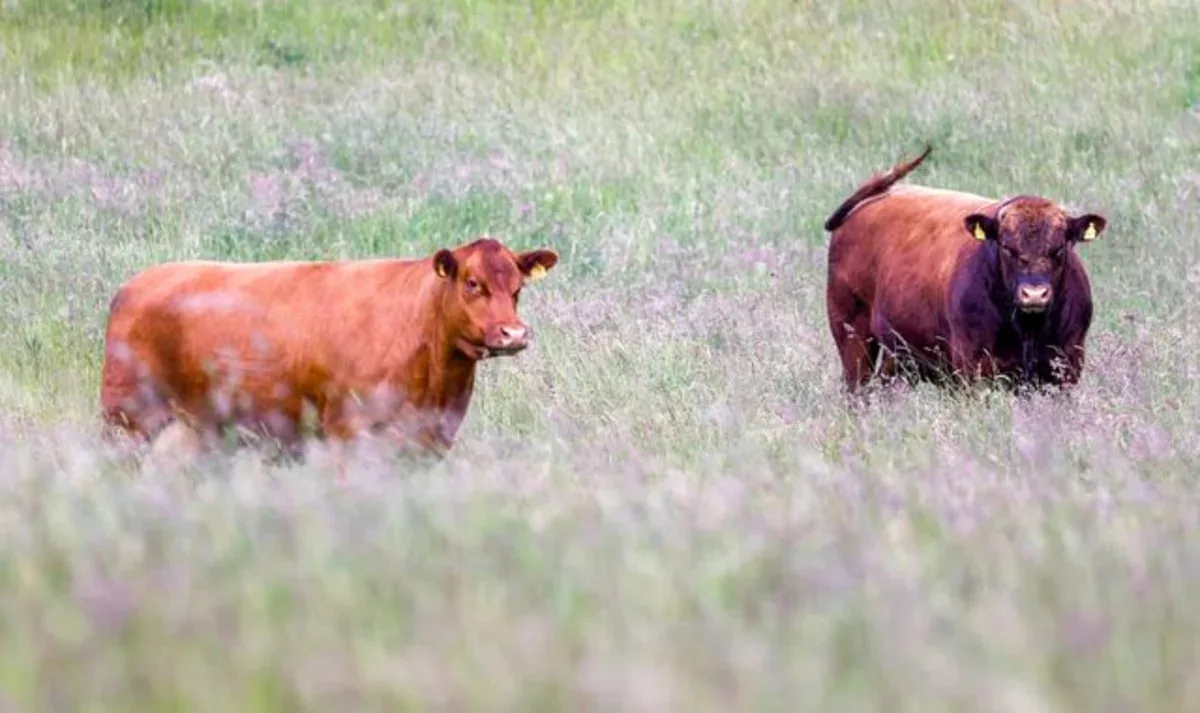
France has confirmed the world’s first human case of infection with the Shamonda virus, following the death of a severely immunocompromised patient at the Hospices Civils de Lyon in early October. The French health and agriculture ministries announced on Thursday that the pathogen, an insect-borne livestock virus previously found only in animals across Africa and Asia, has crossed the species barrier for the first time.
That milestone upends the long-standing scientific assumption that livestock-based orthobunyaviruses in the Simbu serogroup, which are genetically related to the Schmallenberg virus, are incapable of infecting humans. Yet public health authorities emphasize that the risk profile remains narrow. Based on current knowledge of the virus, no health risk to the general public has been identified to date,
the French agricultural ministry stated, describing the event as an exceptional case involving a man already hospitalised for a serious medical condition.
From Nigerian Origin to European Farms in 2026
First isolated in Nigeria in the mid-1960s, the Shamonda virus historically appeared only intermittently in animals across Africa and Japan before marching across European farms this year. The European spread began in late July following genomic tests on sick cattle in Germany, with subsequent detections reported across 14 western European countries including Switzerland, Austria, and eastern France. According to the UK's Animal and Plant Health Agency and the Laboklin laboratory for veterinary diagnostics, outbreaks have since appeared in Austria, Switzerland, France, and other Western European countries.
The World Organisation for Animal Health notes that the virus primarily targets cattle, causing sudden fever, lethargy, loss of appetite, watery or loose diarrhea, and abdominal discomfort. Pregnant animals face particularly severe risks, with infections linked to miscarriages and birth defects in calves. Dairy cows suffer sharp drops in milk production, and the virus has also been found in sheep, goats, horses, and alpacas. Direct host-to-host transmission is not believed to occur; instead, the pathogen spreads exclusively via vector bites from tiny Culicoides biting midges.
How Did the Infection Happen in Eastern France?
The leading hypothesis from French authorities is that the patient contracted the virus through a midge bite in eastern France during the spring or summer, where the insect-borne pathogen was actively circulating among regional livestock. While preliminary findings indicate that the neurological and cerebral complications observed in the patient prior to death were very likely
linked to the Shamonda virus, officials caution that investigations remain ongoing to establish the exact acquisition route and viral pathology.
The Stockholm-based European Centre for Disease Prevention and Control is monitoring the situation and remaining in contact with French authorities and European partners to evaluate potential public health implications. Meanwhile, France's national research institute monitoring animal health has tracked the rapid continental spread.
| Reporting Body | Key Finding or Action |
|---|---|
| French Health Authorities | Reported the world's first human case in a severely immunocompromised patient who died in early October at the Hospices Civils de Lyon. |
| European Centre for Disease Prevention and Control | In contact with French authorities and European partners to investigate potential public health implications following formal notification. |
| World Organisation for Animal Health | Confirmed the virus affects cattle, horses, alpacas, sheep, and goats, with no commercially available vaccines currently existing to protect animals. |
What Lies Ahead for International Health Surveillance?
The absence of commercially available vaccines against the Shamonda virus leaves livestock industries particularly vulnerable to ongoing midge transmission, even as human health officials stress that healthy individuals face no immediate danger. Investigations into the Lyon patient's exact acquisition route and viral pathology continue among human, animal, and environmental health experts.
Updated 1 time since publication; last update 22 October 2026, 14:42.