US Suspends Infosys, TCS, Wipro and Other Tech Firms From Green Card Pro…
The Trump administration has barred eight technology and outsourcing firms from the Permanent Labour Certification process, citing systemic visa abuse.
- Headline: US Suspends Infosys, TCS, Wipro and Other Tech Firms From Green Card Pro…
- Dispatch Summary: The Trump administration has barred eight technology and outsourcing firms from the Permanent Labour Certification process, citing systemic visa abuse.
- Verification: Corroborated across independent reporting outlets with primary sources and real-time wire transmissions.
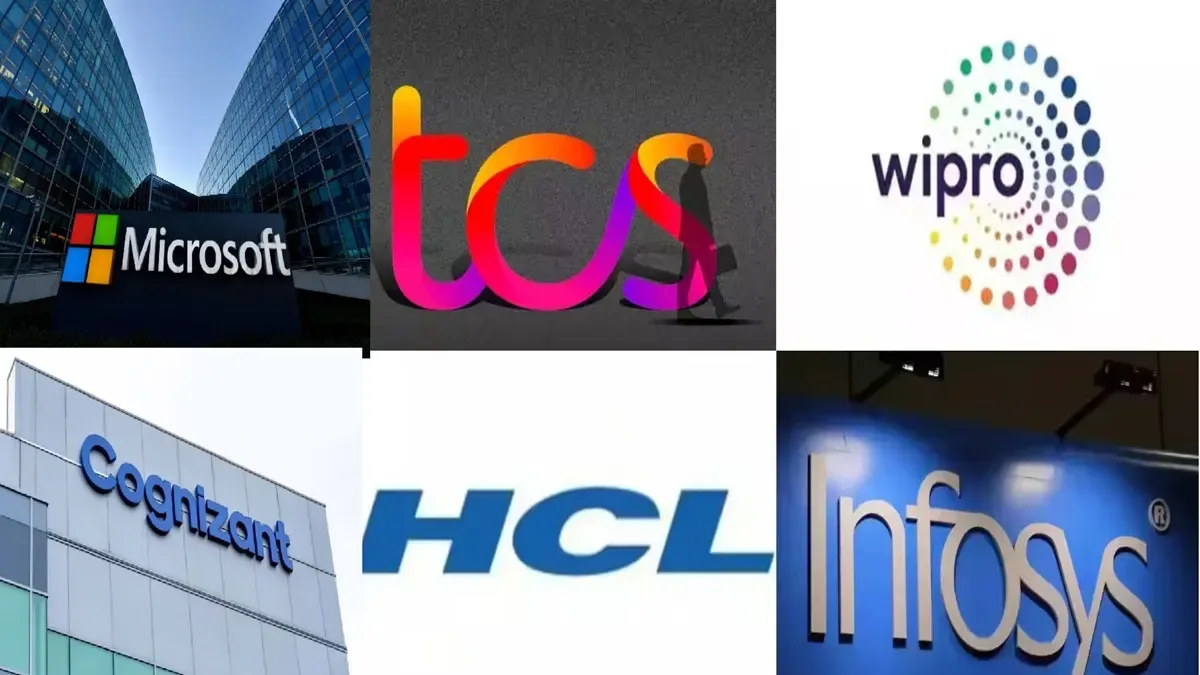
For thousands of foreign professionals working in the United States, the road to permanent residency — the so-called green card — has come to an abrupt halt. The Trump administration announced on Thursday that eight major technology and outsourcing firms are now barred from the Permanent Labour Certification (PERM) programme.
The suspension means the US Department of Labour will neither accept new applications nor process existing ones for Cognizant, Infosys, Tata, Wipro, HCL, Capgemini, Microsoft, and Adobe. For employees, this creates a state of professional limbo, potentially tying them indefinitely to their current employers and complicating future visa renewals, as the PERM process is a critical prerequisite for employment-based permanent residency petitions.
What specific allegations led to this action?
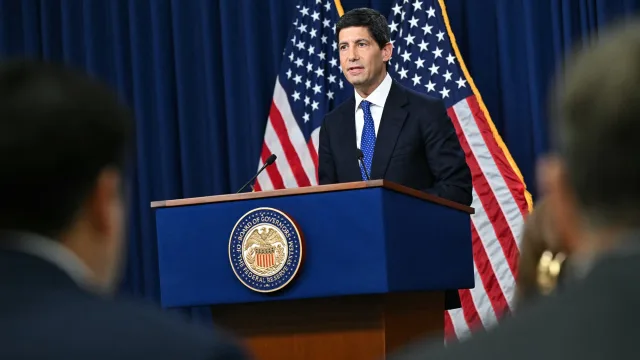
The administration framed the move as a crackdown on systemic visa abuse, alleging that these companies have prioritized lower-paid foreign workers over domestic talent. During a White House press conference on Thursday, Vice President JD Vance and Labour Secretary Keith Sonderling unveiled the policy alongside Attorney General Todd Blanche.
The government justified the sweeping ban by highlighting the volume of foreign labor utilized by these firms. According to Secretary Sonderling, the eight companies have collectively requested nearly three million foreign workers since 2009. These requests resulted in over 230,000 H-1B visa approvals and more than 100,000 permanent labour certifications.
There has been no company in the United States, unfortunately, that has abused this system more than Microsoft.
Vice President Vance singled out Microsoft, alleging that the company laid off 6,000 American workers in 2025 after certifying that it could not find qualified American employees, yet it was approved for more than 6,000 H-1Bs and filed 3,682 PERM applications, including nearly 1,000 applications for the same positions as the laid-off American workers. Vance claimed that for every worker Microsoft laid off, they replaced that worker with one and a half foreign indentured servants.
Officials further characterized the use of these programs as visa mills
designed to suppress domestic wages.
How does this impact the PERM process?
The PERM program is the first step in the employment-based green card route. To secure certification, employers must typically demonstrate that they could not find a qualified, willing, or available US worker for a specific role and that hiring a foreign national will not negatively affect the pay or working conditions of similarly employed Americans. Once labor certification is granted, companies usually proceed to file Form I-140 with US Citizenship and Immigration Services.
By halting both new and pending applications, the Department of Labour has effectively blocked the legal path to permanent residency for employees currently sponsored by the eight named firms. While the order does not revoke existing green cards or cancel current H-1B visas, it prevents workers from advancing their immigration status. This leaves those waiting in existing backlogs unable to transition to permanent residency, rendering them vulnerable to complications if their temporary H-1B visas require renewal while their employer remains under suspension.
- September 2026: US authorities investigate allegations of fraud and potential harm to American workers, leading to initial action against Cognizant’s PERM files.
- October 8, 2026: The Trump administration announces the expansion of the investigation to include eight major IT firms.
- October 8, 2026: Labour Secretary Keith Sonderling formally suspends Cognizant, Infosys, Tata, Wipro, HCL, Capgemini, Microsoft, and Adobe from the PERM program.
- October 8, 2026: Vice President JD Vance announces a concurrent investigation into the use of J-1 exchange visitor visas at nine universities, including Harvard, Yale, Stanford, and Caltech.
Is this suspension temporary or permanent?
The administration has not provided a specific sunset date for the restrictions. When asked at the Thursday press conference if the suspension was temporary, Vice President Vance stated, The suspension of PERM is gonna last as long as it needs to.
He suggested that the administration possesses the legal tools to continue the ban indefinitely, signaling that the goal is to force a change in corporate hiring practices rather than facilitate a mass departure of firms from the US market.
The enforcement is part of a multi-agency effort. Attorney General Todd Blanche confirmed that the Department of Justice is actively investigating companies suspected of favoring foreign workers over Americans, noting that criminal prosecutions and civil lawsuits are among the possible future measures. Moreover, Department of Labour Inspector General Anthony D'Esposito warned that no entity, regardless of prestige or financial endowment, is immune to scrutiny.
I don't care how prestigious the university thinks it is. Break the law and screw the American people, and I will personally cuff you in the university square.
What are the wider implications for the labor market?
The scope of this crackdown extends beyond the IT sector. Alongside the tech firm suspensions, the administration announced an investigation into the J-1 visa program, which allows foreign nationals to enter the US for research and teaching. The White House alleges that elite universities are using these visas to undercut the wages of American graduate students and researchers.
This follows a separate proposal from the Department of Homeland Security introduced earlier this week, which seeks to implement a USD 70,000 fee for international students participating in Optional Practical Training (OPT) for the first time, with a USD 30,000 fee for subsequent renewals. Collectively, these actions suggest a broader administrative pivot toward aggressive protectionism in the immigration sphere.
For the affected employees, the majority of whom are Indian technology professionals, as they account for more than 70 percent of approved H-1B petitions annually, the primary question is how long their careers will be tethered to the outcome of these federal investigations. The government has yet to release company-specific findings or details regarding the precise violations attributed to each of the eight firms, leaving workers and investors to gauge the risk of further enforcement actions.