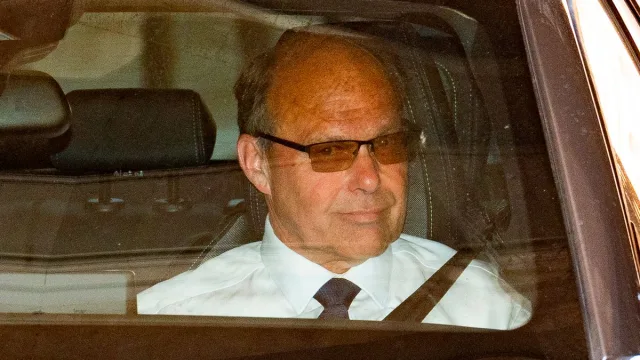
Andrew Mountbatten-Windsor wins court battle over search warrants
Thames Valley Police conceded that search warrants used to raid Andrew Mountbatten-Windsor's properties were unlawful, though the criminal investigation remains active.
- Headline: Andrew Mountbatten-Windsor wins court battle over search warrants
- Dispatch Summary: Thames Valley Police conceded that search warrants used to raid Andrew Mountbatten-Windsor's properties were unlawful, though the criminal investigation remains active.
- Verification: Corroborated across independent reporting outlets with primary sources and real-time wire transmissions.
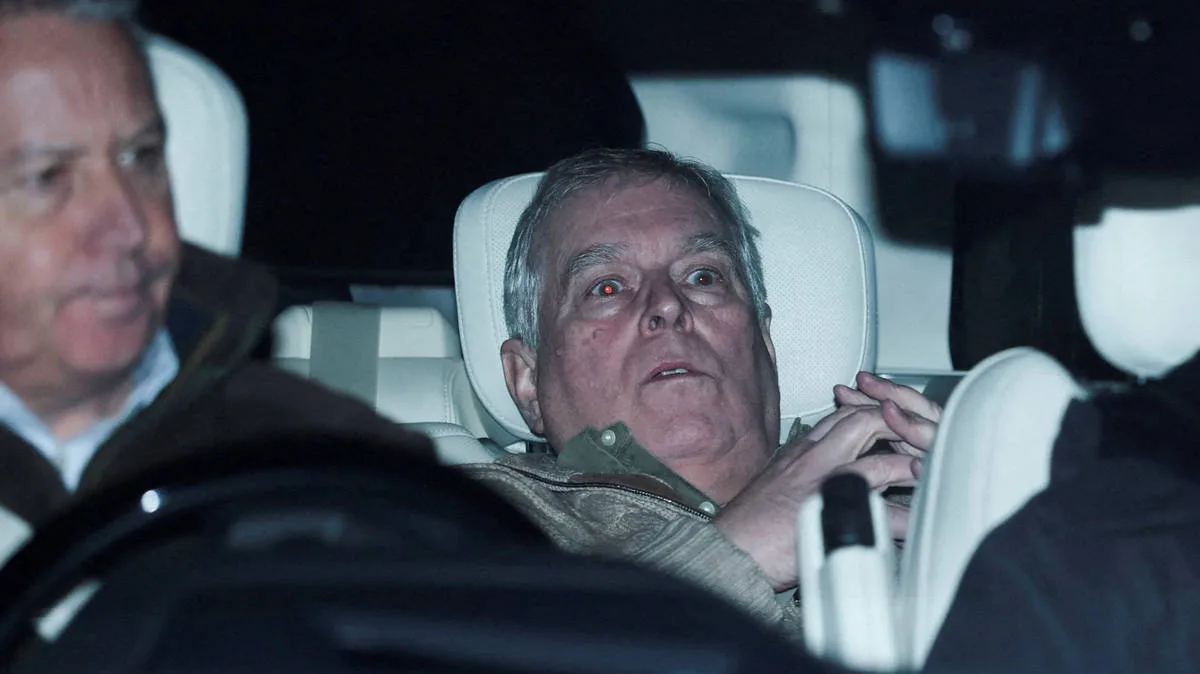
Thames Valley Police has accepted that search warrants used to raid two properties belonging to Andrew Mountbatten-Windsor "were unlawful", following a ruling at the High Court in London on Thursday, October 8, 2026. The former prince launched a judicial review challenging the legality of the warrants and the actions of the Central Criminal Court, which had approved them in February prior to his arrest on suspicion of misconduct in public office.
The legal challenge marks the first time a member of the royal family has questioned the lawfulness of criminal proceedings against them since the trial of Charles I in 1649. While the High Court quashed the warrants on Thursday, the decision leaves the underlying criminal investigation intact. Thames Valley Police continue to investigate allegations that Mountbatten-Windsor shared sensitive government information with the late convicted sex offender Jeffrey Epstein while serving as a UK trade envoy between 2001 and 2011.
How did a routine police warrant become a High Court battle?
The dispute centers on a technical disagreement over which provision of the Police and Criminal Evidence Act (Pace) 1984 applied to the former royal's residences. On February 18, 2026, police applied for warrants under sections eight and nine of Pace at the Central Criminal Court, commonly known as the Old Bailey. An Old Bailey judge decided that warrants were only needed under Section 8
.
That choice proved fatal to the warrants' legality. As Mr Justice Hilliard explained at the Royal Courts of Justice on Thursday, a section eight warrant is conditional on the issuing judge being satisfied that the material sought does not include items subject to legal privilege or special procedure material. However, because Mountbatten-Windsor had acquired or created documents in the course of public office under an implied undertaking of confidence, the search inevitably touched upon special procedure material. Consequently, a lawful warrant could only have been issued under section nine of Pace. Thames Valley Police conceded this point, and an agreement was formalised on July 22 before being made public on Thursday.
Why can the police keep documents seized under unlawful warrants?
Despite the quashing of the warrants, officers seized documentary material and electronic devices from the Sandringham estate in Norfolk and the former Windsor home, Royal Lodge, during raids that began on February 19. Mountbatten-Windsor opposes the retention of this material, leading to further legal proceedings scheduled for a private hearing in 2027.
Mr Justice Hilliard addressed the retention question during Thursday's hearing, stating that someone who is in possession of property as a result of an unlawful search... can still retain the property if it would be lawful to seize the property under some other provision once it was returned to the owner
. The judge added that there would be little point in handing property back if it could then simply be lawfully seized under some other provision.
What are the key dates in the police investigation and legal challenge?
- 2001–2011: Mountbatten-Windsor serves as UK trade envoy, the period during which he allegedly forwarded confidential information to Jeffrey Epstein.
- February 18, 2026: An Old Bailey judge issues search warrants for the Sandringham property and Royal Lodge.
- February 19, 2026: Mountbatten-Windsor is arrested on his 66th birthday on suspicion of misconduct in public office, interviewed under caution, and released under investigation as police begin searches.
- February 24, 2026: Thames Valley Police confirm their physical searches of the properties have ended.
- July 22, 2026: An agreement between Mountbatten-Windsor and Thames Valley Police to quash the search warrants is formalised.
- October 8, 2026: Mr Justice Hilliard confirms the unlawful nature of the warrants during a public hearing at the High Court, while ruling that the criminal investigation continues.
How do the legal options compare for police and the claimant?
| Legal Question | Thames Valley Police Position | Andrew Mountbatten-Windsor Position |
|---|---|---|
| Legality of Warrants | Accepted initial court's decision to issue under incorrect legislation and agreed to quash | Challenged via judicial review, arguing warrants, searches, and seized material were unlawful |
| Retention of Evidence | Applying to retain seized documents and electronic devices retrospectively under alternative provisions | Opposing police retention of the material gathered during the unlawful raids |
| Status of Investigation | Maintaining that the misconduct probe remains active with all reasonable lines of inquiry pursued | Denying any wrongdoing while remaining under investigation without formal charges |
What does this mean for the ongoing criminal investigation?
Legal experts and investigators agree that Thursday's ruling is primarily a procedural setback rather than a fatal blow to the prosecution. Mr Justice Hilliard stressed that the fact that the search warrants were quashed does not bring an investigation to an end, or mean that the whole of the investigation is unlawful.
Thames Valley Police confirmed that its investigation into a man in his 60s from Norfolk "remains ongoing". Meanwhile, a Buckingham Palace source confirmed that while Mountbatten-Windsor receives an undisclosed annual stipend from King Charles's private funds, it had been made clear that this money should not be used to finance his judicial review. King Charles previously stated that the law must take its course after stripping his brother of his royal titles and dukedom late last year.
The High Court will decide how the seized material is managed and whether police can lawfully retain it during private hearings set for 2027.