Govt cuts windfall tax on petrol, diesel, ATF exports
The Indian government has lowered windfall export duties on petrol, diesel, and aviation turbine fuel following a decline in global crude prices.
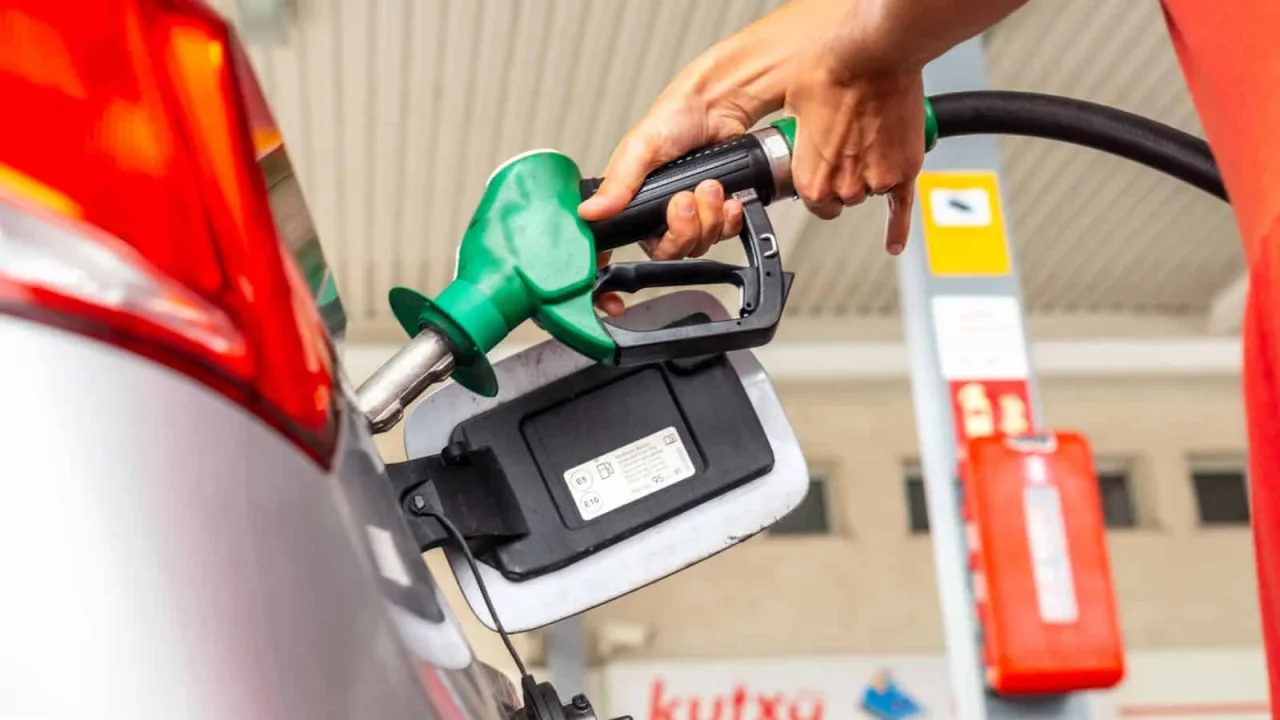
The Indian government announced significant reductions to windfall taxes on fuel exports, effective September 16, 2026, as part of its ongoing efforts to balance domestic energy security with global market dynamics. The move, which lowers levies on petrol, diesel, and aviation turbine fuel (ATF) for overseas shipments, comes amid persistent geopolitical tensions in West Asia and fluctuating crude oil prices.
Government Announces Tax Reductions
The Finance Ministry revised export duties on September 16, 2026, slashing the Special Additional Excise Duty (SAED) and related cess for key fuels. Under the new structure, diesel exports now face a tax of ₹20 per litre, down from ₹25. Aviation turbine fuel (ATF) duties were reduced to ₹15 per litre, from ₹19, while petrol export levies fell to ₹0.50 per litre, previously ₹1.50. These changes, outlined in a ministry notification, mark the latest in a series of fortnightly adjustments to fuel export taxes.
The government emphasized that domestic fuel duties remain unchanged, with no modifications to excise rates for petrol and diesel consumed within India. This distinction underscores the policy’s focus on managing export flows rather than directly influencing retail prices.
Context of the Windfall Tax
The windfall tax was initially introduced on March 27, 2026, amid escalating conflicts in West Asia. At the time, the government sought to curb exports and ensure sufficient domestic supplies as global crude oil prices surged. The tax aimed to prevent exporters from capitalizing on price disparities between domestic and international markets, where global crude prices had risen sharply following the conflict.
Over the past six months, the government has periodically reviewed and adjusted export duties to align with shifting energy market conditions. The latest reductions reflect a recalibration of this approach, as international crude prices have eased. Brent crude futures, for instance, fell 1.2% to $104.59 per barrel on September 16, 2026, amid reduced supply concerns after Saudi Arabia began offering additional crude cargoes to Asian refiners.
| Detail | Information |
|---|---|
| Diesel export tax | ₹20 per litre (previously ₹25) |
| ATF export tax | ₹15 per litre (previously ₹19) |
| Petrol export tax | ₹0.50 per litre (previously ₹1.50) |
| Effective date | September 16, 2026 |
Impact on Exporters and Domestic Market
The tax cuts provide immediate relief to domestic refiners, who had faced rising costs amid volatile global markets. By reducing export duties, the government lowers the financial burden on exporters, potentially improving their margins. However, the policy does not directly translate to lower retail prices for consumers, as domestic fuel duties remain unchanged.
Analysts noted that the decision reflects the government’s dual objective of maintaining fuel availability while adapting to global price fluctuations. The fortnightly review mechanism allows for flexibility, enabling policymakers to adjust rates as needed. For example, the latest cuts follow a previous increase in early September, which had raised diesel export taxes to ₹25 per litre.
Despite the reductions, the government has not signaled a permanent shift in its approach. The Finance Ministry reiterated that export duties will continue to be reviewed every two weeks, with adjustments tied to developments in international crude markets and domestic supply conditions.
Future Outlook and Unresolved Questions
The immediate impact of the tax cuts on fuel prices remains uncertain. While exporters may benefit from lower levies, retail prices depend on a range of factors, including global crude costs, exchange rates, and domestic taxes. The government has not indicated plans to revise domestic fuel duties, leaving the door open for future adjustments based on market conditions.
One unresolved question is how the policy will affect India’s energy security in the long term. With West Asia tensions persisting and global oil markets remaining volatile, the government’s ability to balance export controls with domestic needs will be critical. Additionally, the effectiveness of the fortnightly review system in stabilizing prices and ensuring supply remains to be seen.
Frequently Asked Questions
When did the windfall tax cuts take effect?
The revised tax rates became effective on September 16, 2026, as part of the government’s routine fortnightly review of export duties.
Why were the tax cuts implemented?
The government aimed to ease the financial burden on fuel exporters while maintaining domestic fuel availability. The move follows a decline in global crude prices and reduced supply concerns in the Middle East.
Will the tax cuts lead to lower petrol or diesel prices?
No, the reductions apply only to export duties. Domestic fuel prices remain subject to other factors, including international crude prices, exchange rates, and domestic taxes.
The next round of tax reviews is expected to occur in early October, with the government closely monitoring global energy markets. Until then, the current rates will remain in effect, shaping the dynamics of India’s fuel sector amid ongoing geopolitical and economic uncertainties.
Dateline Wire is dedicated to independent, evidence-backed reporting. This briefing was synthesized from primary source reporting, corroborated across independent newsrooms, and verified against our Editorial Standards.