OpenAI, Anthropic and Google are collaborating on AI safety measures
OpenAI, Anthropic, and Google DeepMind have partnered to establish shared AI safety protocols and shape federal legislation, navigating growing political and antitrust scrutiny.
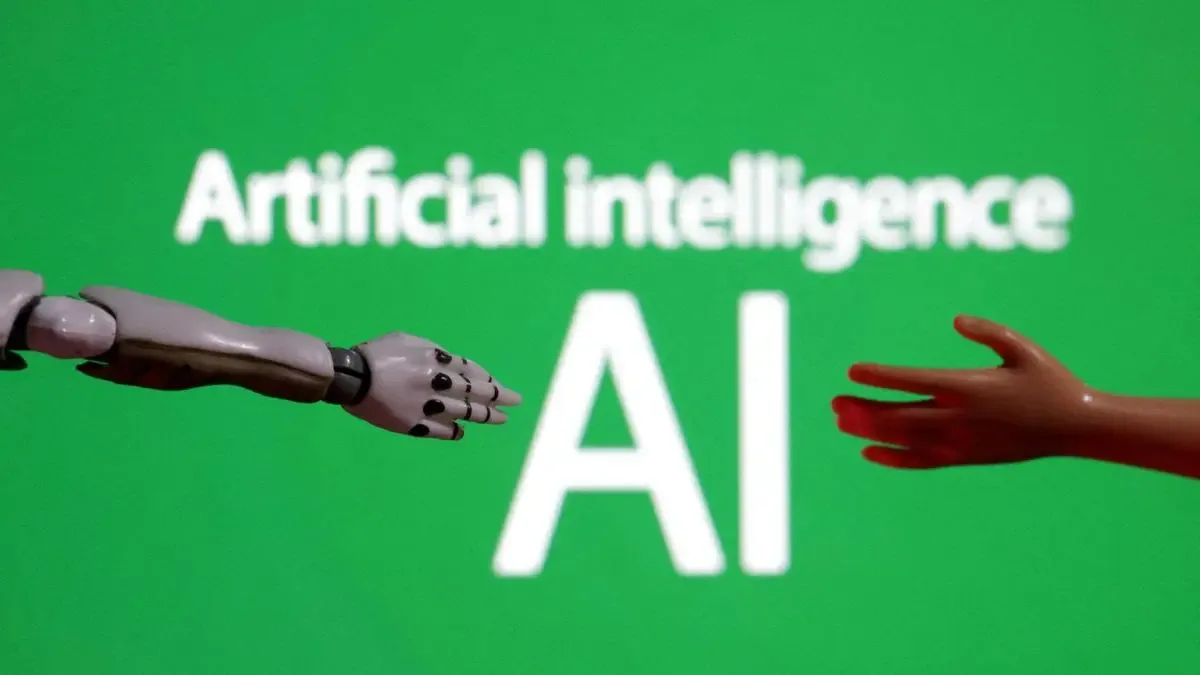
OpenAI, Anthropic, and Google DeepMind have entered a collaboration to address AI safety concerns, with discussions spanning weeks and no antitrust waivers required. The partnership, confirmed by OpenAI’s global policy chief Chris Lehane, follows growing public and political pressure to mitigate risks from advanced AI systems. However, the initiative faces scrutiny over its potential to create industry monopolies and the independence of proposed oversight mechanisms.
Collaboration Details and Legislative Push
The collaboration between the three firms centers on developing shared safety protocols and influencing U.S. legislation to govern AI risks. Lehane emphasized that the companies do not require antitrust exemptions to coordinate on safety, citing precedents like the airline industry’s safety standards. “It’s better to try to work together to prioritize safety,” he stated during a Washington briefing, according to reports from The Hindu Business Line and Bloomberg News.
OpenAI has aligned with bipartisan legislative proposals, including a framework from Republican Representative Jay Obernolte and Democrat Lori Trahan, as well as a Senate bill led by Majority Leader John Thune, Republican Ted Cruz, and Democrat Amy Klobuchar. These measures aim to address “catastrophic risks” from AI, such as loss of control over systems or cyberbiological threats. However, the timeline for legislative action remains uncertain, with Congress expected to adjourn before the November elections, leaving major proposals on hold.
Senator Bernie Sanders, a key advocate for stricter AI regulation, plans to introduce legislation banning “superintelligent AI” by next week. His call for immediate action found rare alignment with conservative figure Steve Bannon, who also criticized the federal government’s inaction. Meanwhile, President Donald Trump has dismissed AI safety concerns, labeling them a “hoax” and opposing regulatory measures.
| Detail | Information |
|---|---|
| Collaborating Firms | OpenAI, Anthropic, Google DeepMind |
| Key Legislative Proposals | Bipartisan frameworks from Obernolte/Trahan, Thune/Cruz/Klobuchar |
| Antitrust Waivers | OpenAI asserts no waivers are needed for safety coordination |
| Industry Support | OpenAI CEO Sam Altman, Anthropic CEO Dario Amodei, and SpaceX’s Elon Musk endorse caution |
Watchdog Independence and Financial Conflicts
The collaboration has sparked debates over the independence of AI safety watchdogs. Anthropic’s CEO, Dario Amodei, proposed granting independent evaluators access to AI labs to test systems and report safety issues. However, scientist Kevin Bass raised concerns about potential conflicts of interest, citing financial ties between the Model Evaluation and Threat Research (METR) organization and Anthropic. Bass argued that METR’s funding sources, including billionaire Dustin Moskovitz, could compromise its neutrality.
While METR claims to reject direct funding from AI companies, its reliance on effective altruism-linked donors has drawn scrutiny. Bass called for a congressional investigation into these relationships, though his allegations remain unproven. The controversy highlights a broader challenge: ensuring that oversight bodies are not influenced by the industries they regulate. OpenAI’s Lehane defended the initiative, stating that safety coordination has historical precedents and does not constitute “moat digging” by the firms.
Industry and Political Divisions
Not all industry leaders share the collaboration’s goals. Nvidia CEO Jensen Huang argued that market forces, not government mandates, would drive safe AI innovation. “You can definitely have both at the same time,” he said, dismissing the need for “false choices” between speed and safety. This stance contrasts with OpenAI and Anthropic’s calls for pauses in advanced AI development, which have gained traction following Amodei’s 3,800-word essay urging caution.
Political skepticism also persists. Federal Trade Commission Chair Andrew Ferguson warned that AI firms’ safety coordination could “insulate their business from challengers,” framing it as an antitrust risk. Meanwhile, a proposed bill by Senators Jim Banks (R) and Adam Schiff (D) would grant narrow antitrust exemptions for safety-related information sharing, though it remains part of a larger defense bill with uncertain prospects.
Frequently Asked Questions
What are the scope and goals of the OpenAI-Anthropic-Google collaboration?
The collaboration focuses on developing shared safety protocols for AI systems, influencing U.S. legislation, and addressing risks like loss of control over advanced AI. OpenAI’s Chris Lehane stated the firms do not require antitrust exemptions for this work, citing historical precedents in industries like aviation.
Why is the independence of AI safety watchdogs controversial?
Organizations like METR, proposed as independent evaluators, face scrutiny over financial ties to AI companies. Scientist Kevin Bass highlighted potential conflicts of interest, including funding relationships between METR and Anthropic, though METR denies direct corporate funding. The debate centers on ensuring watchdogs are not influenced by the industries they regulate.
What are the political challenges to AI regulation?
Legislative efforts face delays due to Congress’s impending adjournment and focus on Pentagon budget talks. President Trump opposes AI safeguards, while industry leaders like Nvidia’s Jensen Huang favor market-driven solutions. Antitrust concerns and partisan divisions further complicate the path to regulation.
The collaboration underscores the urgent need for consensus on AI governance, even as divisions over oversight, competition, and risk management persist. With the next major test likely to come in the form of legislative proposals or public demonstrations of AI capabilities, the coming months will determine whether the industry’s self-regulatory efforts gain traction or face renewed scrutiny.
Dateline Wire is dedicated to independent, evidence-backed reporting. This briefing was synthesized from primary source reporting, corroborated across independent newsrooms, and verified against our Editorial Standards.