Oil hits $100 a barrel as US-Iran conflict and Strait of Hormuz clashes …
Oil prices surged past $100 a barrel for the first time since July 2026 amid escalating US-Iran maritime clashes and Houthi attacks on Saudi oil infrastructure.
Oil Prices Cross $100 a Barrel Amid Escalating US-Iran Tensions
Brent crude oil prices surpassed $100 a barrel on Wednesday for the first time since July 2026, as escalating hostilities between the United States and Iran, coupled with regional disruptions, sent shockwaves through global energy markets. The surge followed a series of tit-for-tat attacks in the Persian Gulf, with both sides accusing each other of targeting maritime infrastructure and military assets.
The price of oil fluctuated sharply, reaching $100.19 per barrel at one point before dropping to $99.90. Analysts noted that the conflict, now over six months old, has repeatedly threatened the stability of the Strait of Hormuz—a critical chokepoint for global oil trade. The strait, which carries 20% of the world’s oil and liquefied natural gas, has seen increased militarization and sabotage, raising fears of prolonged supply disruptions.
| Event | Details |
|---|---|
| Oil Price Milestone | Brent crude crossed $100 a barrel on 9 September 2026, the first time since July 2026. |
| US-Iran Attacks | US forces struck five Iranian tankers, including four in the Gulf of Oman linked to Iran’s Revolutionary Guards Corps (IRGC). Iran claimed to have attacked two US vessels and eight oil tankers in the Strait of Hormuz. |
| Regional Fallout | Yemen’s Houthi movement, backed by Iran, targeted Saudi Arabia’s Jazan refinery, causing fires and temporary operational halts at energy facilities. |
US-Iran Clashes Intensify, Targeting Maritime Infrastructure
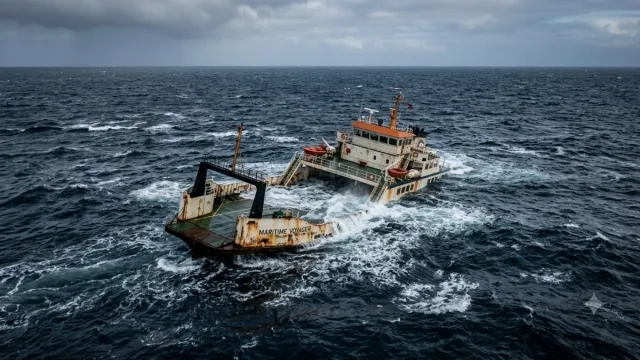
The latest escalation began after Iran allegedly targeted a US warship with ballistic missiles, which the US military said were “successfully evaded.” In response, the US launched strikes on five Iranian oil tankers, including the M/T Riesco, which sank in the Gulf of Oman. The US accused the targeted vessels of being part of a “multi-billion-dollar shadow network” funding Iran’s Revolutionary Guards Corps (IRGC) and its regional proxies.
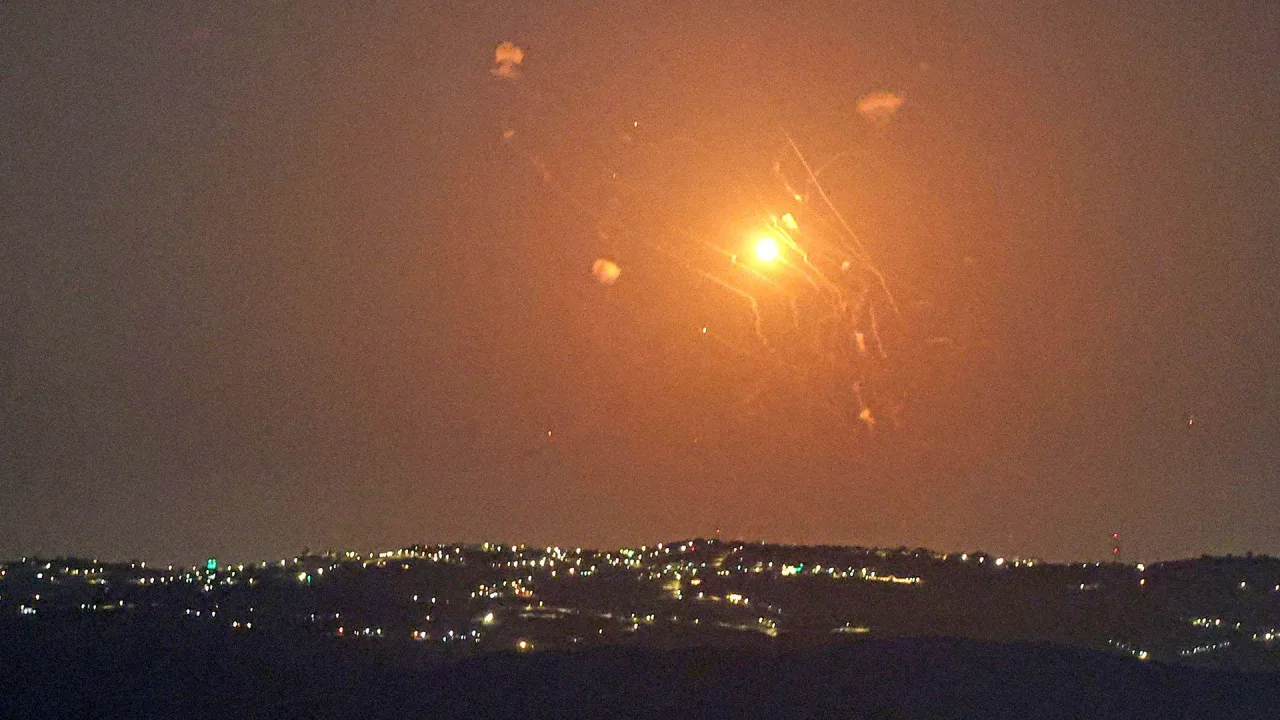
Iran retaliated by launching 20 missiles at a US base in Jordan, with Jordanian forces shooting down 18. The remaining two missiles struck unpopulated areas, according to a Jordanian Armed Forces spokesperson. Iran also claimed to have attacked two US vessels and 10 “non-compliant vessels” in the Strait of Hormuz, prompting warnings for shipping crews near Kuwaiti and Bahraini ports to abandon their ships.
The conflict has deepened tensions over the Strait of Hormuz, where 90% of Iran’s crude oil is exported via Kharg Island, a critical hub in the Gulf. The US has accused Iran of attempting to block maritime traffic, while Iran has accused the US of conducting “aggressive operations” in the region. The latest round of strikes comes amid ongoing disputes over an uncrewed US submarine reportedly seized by Iran in the strait, though US officials denied the claim, stating the device was an older model with no classified equipment.
Houthi Attacks on Saudi Arabia Fuel Regional Instability
Regional instability was further compounded by attacks from Yemen’s Houthi movement, which targeted energy infrastructure in Saudi Arabia on Tuesday. The group’s drone and missile strikes damaged the Jazan refinery, a 400,000-barrel-a-day facility, and injured 73 people. Saudi authorities reported fires at oil installations, leading to temporary operational halts. The Houthi movement, backed by Iran, has repeatedly targeted Saudi energy assets since the start of the broader Middle East conflict.
The attacks have heightened concerns about the vulnerability of global oil supply chains. Saudi Arabia’s military and energy ministry stated that the strikes “threatened the stability of regional energy infrastructure,” while international traders warned of further price volatility. The Houthi attacks also drew condemnation from US officials, who reiterated their commitment to supporting Saudi Arabia amid the crisis.
Market Reactions and Inflation Fears
The surge in oil prices has triggered widespread market anxiety, with European shares declining as investors braced for higher inflation and potential interest rate hikes. The pan-European STOXX 600 index fell 0.4%, while Germany’s DAX and France’s CAC 40 also posted modest losses. In the UK, natural gas prices hit a three-and-a-half-year high, amplifying fears of a broader energy crisis.
Economists have warned that the conflict could prolong inflationary pressures, with the US Federal Reserve expected to consider rate hikes by year-end. Meanwhile, the European Central Bank (ECB) is set to meet on Thursday, with markets anticipating a potential rate increase amid rising energy costs. The Reuters poll of 65 economists suggested the ECB might end its brief tightening cycle, but the outcome remains uncertain amid the volatile geopolitical landscape.
Frequently Asked Questions
Why has oil prices surged past $100 a barrel?
Oil prices crossed $100 a barrel due to renewed US-Iran clashes in the Persian Gulf, including US strikes on Iranian tankers and Iran’s claims of attacking US vessels and oil infrastructure. Regional instability, including Houthi attacks on Saudi Arabia, has also exacerbated supply fears.
What role does the Strait of Hormuz play in the conflict?
The Strait of Hormuz is a critical global shipping lane, carrying 20% of the world’s oil and LNG. Both the US and Iran have targeted maritime assets in the region, raising fears of prolonged disruptions to global energy supplies. Iran’s claims of attacking vessels in the strait have further heightened tensions.
How have other regions been affected by the conflict?
The conflict has triggered volatility in global markets, with European shares declining and natural gas prices in the UK hitting a three-and-a-half-year high. Houthi attacks on Saudi Arabia have damaged oil infrastructure, while inflation concerns have intensified ahead of key economic data releases in the US and Europe.
The situation remains fluid, with both sides preparing for further escalation. Analysts warn that any prolonged disruption to the Strait of Hormuz or additional attacks on energy infrastructure could push oil prices even higher, with far-reaching consequences for global economies. The next major developments are expected to unfold in the coming days as diplomatic efforts and military posturing continue to shape the crisis.
Dateline Wire is dedicated to independent, evidence-backed reporting. This briefing was synthesized from primary source reporting, corroborated across independent newsrooms, and verified against our Editorial Standards.