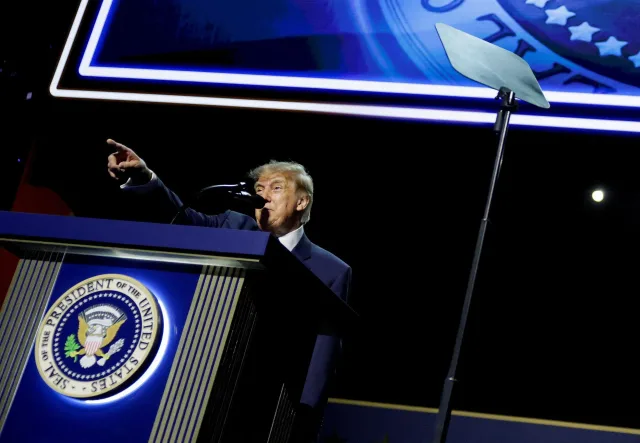
Trump claims Russia and Ukraine agreed to halt strikes on energy targets
President Trump asserts that a deal has been reached to stop attacks on energy targets, though neither nation has confirmed the agreement.
U.S. President Donald Trump asserted on September 14, 2026, that Ukraine and Russia had reached an agreement to cease attacks on each other’s energy infrastructure, a claim that remains unverified by either nation. The statement, made via his Truth Social platform, came as global diesel prices climbed to record levels, with the U.S. average hitting $6.23 per gallon. Trump framed the price surge as primarily the result of the Russia-Ukraine war, not Middle East conflicts, despite ongoing tensions in the region.
Trump’s Claims and Unconfirmed Agreement
Trump’s assertion that “Ukraine has agreed not to hit Russian Energy targets. Russia has agreed to do, likewise!” was made in a social media post on the same day as the U.S. diesel price record. Neither Ukraine nor Russia has publicly confirmed the deal, and Ukrainian officials did not respond to requests for comment. The lack of official verification raises questions about the agreement’s scope, timing, and enforcement mechanisms.
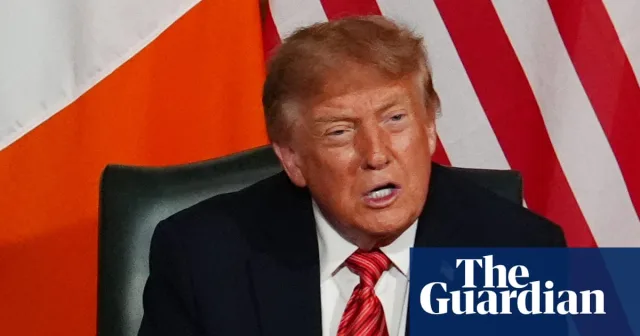
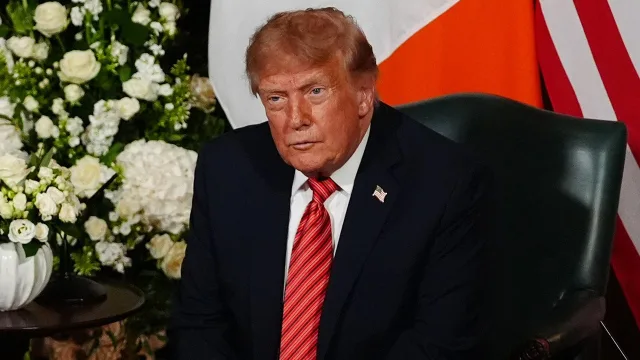
The claim follows Trump’s earlier criticism of Ukrainian President Volodymyr Zelensky, whom he accused of exacerbating global diesel shortages by targeting Russian oil refineries. “Let him go after targets, but not diesel fuel, because he’s causing a shortage of diesel,” Trump said during a trip to Ireland. Ukraine has maintained that strikes on energy infrastructure are a necessary military tactic to weaken Russia’s ability to fund its war effort.
Diesel Prices and Global Energy Pressures
The U.S. diesel price surge coincided with broader global energy market instability. The International Energy Agency cited disruptions to Russia’s refining system and restricted fuel shipments through the Strait of Hormuz as key factors. Trump’s comments aligned with his long-standing argument that attacks on energy facilities contribute to price volatility, though he downplayed the role of Middle East conflicts, including the ongoing Iran war.
Ukrainian strikes on Russian oil infrastructure have intensified over the past year, aided by advancements in long-range drone technology. These operations have prompted Moscow to ban diesel exports, further tightening global supply chains. The Kremlin has not commented directly on Trump’s claim but previously dismissed Ukrainian proposals for a limited ceasefire as insufficient to meet Russian interests.
Zelensky’s Potential Meeting with Trump
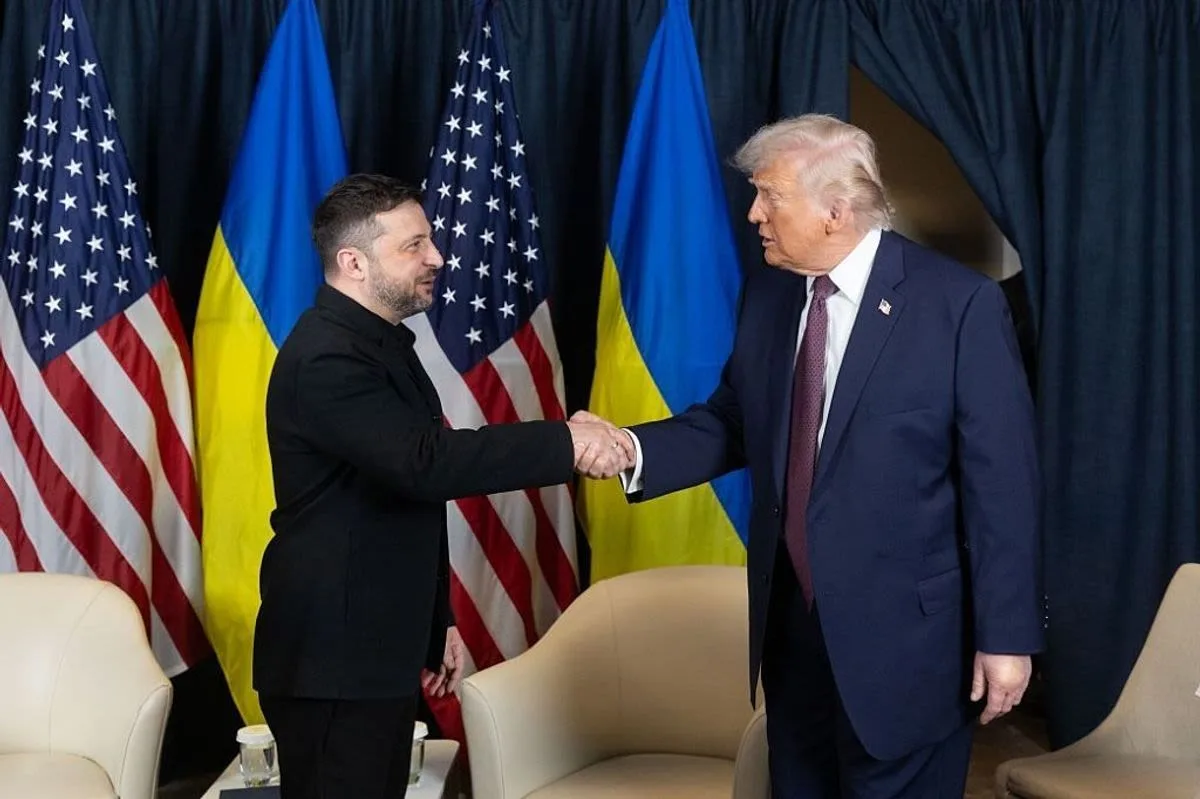
Zelensky’s office announced plans to discuss a potential energy ceasefire during a possible meeting with Trump at the U.N. General Assembly in New York, scheduled for September 21–23. The talks would build on earlier discussions about halting strikes on energy infrastructure and Black Sea military activity. However, Russia has shown little interest in formalizing such agreements, with Kremlin spokesperson Dmitry Peskov describing Ukrainian proposals as “not a permanent settlement” that aligns with Moscow’s objectives.
The meeting’s outcome remains uncertain, as U.S.-led efforts to broker a broader peace deal have stalled over Russia’s territorial demands. Zelensky’s focus on energy and maritime ceasefires reflects a strategic shift toward pragmatic negotiations, even as Kyiv continues to prioritize military gains.
| Detail | Information |
|---|---|
| U.S. diesel price | $6.23 per gallon (record high, September 14, 2026) |
| Trump’s claim | Ukraine and Russia agreed to halt energy-target strikes; neither side confirmed the deal |
| Ukrainian strikes | Targeted Russian oil refineries and infrastructure; part of broader war strategy |
| U.S.-Russia talks | Stalled over territorial disputes; potential Zelensky-Trump meeting in New York |
Context of the Conflict and Energy Strategy
The proposed energy ceasefire is not a new idea. Similar proposals emerged during Trump’s 2025 peace talks, but no agreement was reached. Ukraine’s continued strikes on Russian energy facilities have been a key component of its strategy to degrade Moscow’s war economy, even as they contribute to global fuel market instability.
Russia’s own energy policies have also shaped the crisis. The Kremlin’s diesel export ban, imposed in July 2026, removed a critical supply from global markets, exacerbating shortages. Meanwhile, the U.S. and its allies have faced pressure to address inflation and supply chain disruptions, with energy costs becoming a central issue ahead of the midterm elections.
Frequently Asked Questions
Has Ukraine or Russia confirmed an agreement to halt energy strikes?
No. Neither Ukraine nor Russia has publicly confirmed Trump’s claim. Ukrainian officials did not respond to requests for comment, and Russian authorities have not acknowledged the deal.
What caused the U.S. diesel price surge?
Trump attributed the rise to the Russia-Ukraine war, while other factors include restricted Strait of Hormuz shipments, Russia’s diesel export ban, and global supply chain pressures. The U.S. average hit $6.23 per gallon on September 14, 2026.
Will Zelensky and Trump meet to discuss energy ceasefires?
A potential meeting is planned during the U.N. General Assembly in New York, but its outcome is uncertain. Zelensky has expressed openness to discussing energy and maritime ceasefires, while Russia has not signaled support for such talks.
The next critical development will be whether Ukraine and Russia provide any indication of compliance with Trump’s claimed agreement. Meanwhile, the U.S. faces mounting pressure to address energy market instability as the midterm elections approach. The situation underscores the complex interplay between military strategy, global economics, and diplomatic efforts in the ongoing Russia-Ukraine conflict.
Dateline Wire is dedicated to independent, evidence-backed reporting. This briefing was synthesized from primary source reporting, corroborated across independent newsrooms, and verified against our Editorial Standards.