House passes Russia sanctions, sending bill named for Lindsey Graham to …
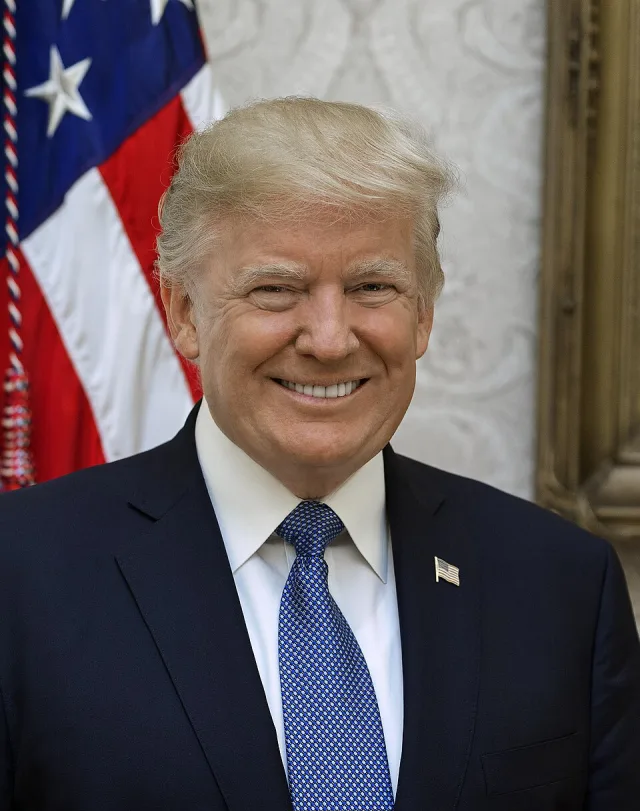
The House approved a sweeping Russia sanctions bill named after the late Senator Lindsey Graham, sending the legislation to President Trump for his signature.
House approves Russia sanctions bill, sending it to Trump
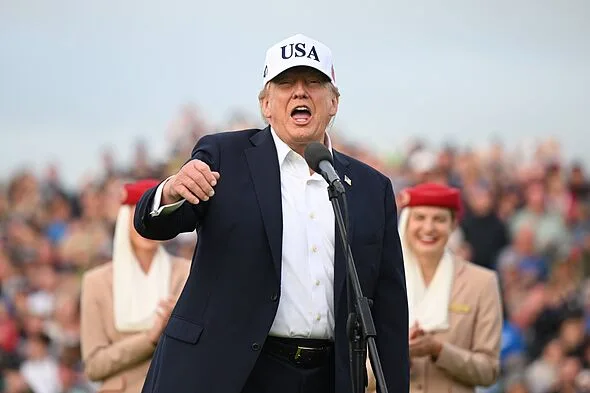
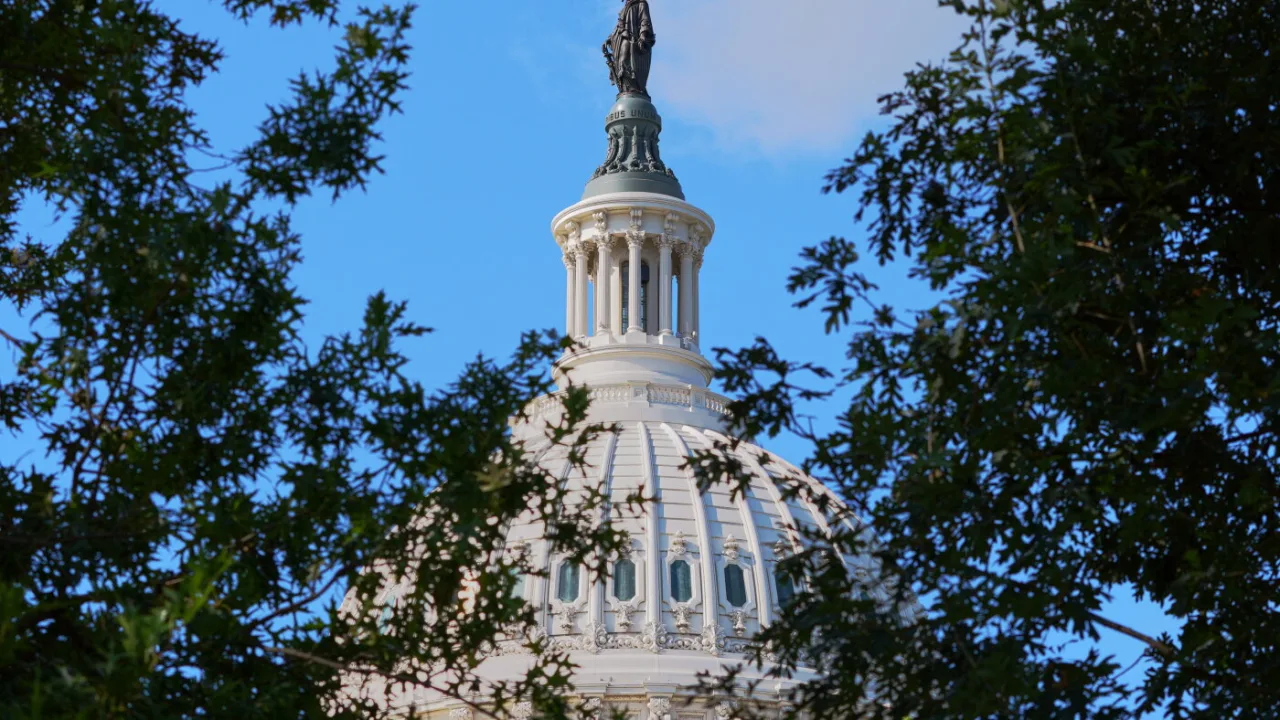
The U.S. House of Representatives approved a sweeping Russia sanctions bill on Wednesday, marking a significant escalation in economic pressure on Moscow amid its invasion of Ukraine. The legislation, named after the late Senator Lindsey Graham, passed with a 262-159 vote, reflecting a narrow bipartisan majority. The bill now moves to President Donald Trump’s desk, where it is expected to be signed into law, according to a White House official.
The measure targets Russian officials, companies, and financial institutions linked to the war in Ukraine, while also expanding sanctions on Iran. It grants the president authority to impose tariffs of up to 100% on the top five countries importing Russian oil or natural gas, including China and India. This provision, however, drew sharp criticism from some Democrats, who warned of potential abuse and economic consequences.
| Detail | Information |
|---|---|
| House vote | 262-159 |
| Senate vote | 86-11 |
| Key provision | Trump’s authority to impose up to 100% tariffs on top Russian oil/gas importers |
| Opposition | Seven Republicans |
Sanctions aim to cripple Russian war machine, but tariff clause sparks debate
Supporters, including Rep. Michael McCaul (R-Texas), argued the bill is a necessary tool to weaken Russia’s economy and force President Vladimir Putin to end the war in Ukraine. “This is a moral issue that requires moral courage,” McCaul said, adding that the legislation would “cripple the Russian war machine and turn the tide toward peace.”
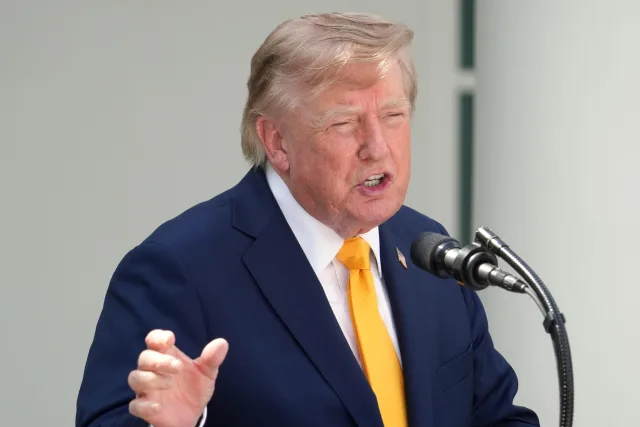
The bill’s tariff authority has been a focal point of contention. Critics, including Rep. Gregory Meeks (D-N.Y.) and Rep. Don Beyer (D-Va.), warned that Trump could use the power to target U.S. allies or inflate consumer prices. “This president has always said he loves tariffs,” Meeks said, referencing Trump’s history of imposing trade barriers. Beyer added that the measure risked embedding “damage in U.S. law” if Trump later waived sanctions or targeted European partners.
The legislation also includes a provision exempting countries that import less than 15% of Russia’s natural gas and have taken steps to reduce those imports. This clause was intended to incentivize energy diversification but drew skepticism from opponents who questioned its enforceability.
Graham’s legacy and Ukraine’s role in the push
The bill is named in memory of Senator Lindsey Graham, the South Carolina Republican who played a central role in negotiating the package. Graham, who died earlier this year, had spent over a year brokering support from both parties and securing Trump’s backing by including a five-year extension of existing Iran sanctions.
Ukrainian President Volodymyr Zelenskyy actively lobbied for the measure, urging Congress to pass it ahead of the House vote. “This is a very important historical moment for the United States,” Zelenskyy said on social media. “The bill must be passed, voted on, and supported.” His appeal highlighted the urgency of the war, which has killed thousands of civilians since Russia’s 2022 invasion.
Despite broad support for Ukraine, Democratic lawmakers remained divided. Some, like Rep. Steny Hoyer (D-Md.), argued that passing the bill was a moral imperative, while others, including Rep. Hakeem Jeffries, opposed it, citing concerns about its long-term impact on U.S. foreign policy.
Political tensions and unresolved questions
The bill’s passage underscores deepening partisan rifts over how to handle the Ukraine war and Trump’s potential use of tariff powers. While Republicans largely supported the measure, some Democratic lawmakers criticized its lack of safeguards against presidential overreach. The legislation also comes amid broader debates over U.S. aid to Ukraine, as congressional gridlock has slowed funding for military and humanitarian support.
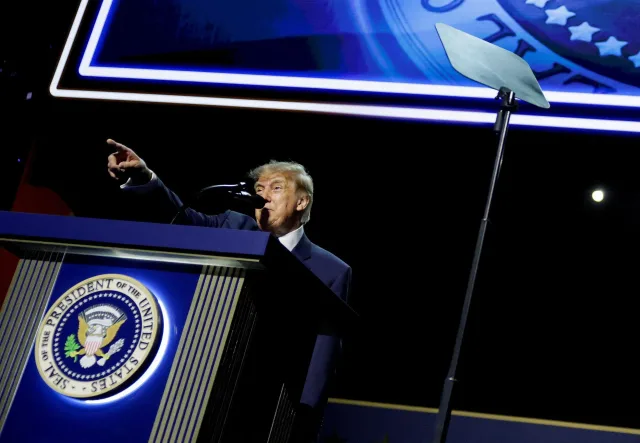
With the November 3 midterm elections approaching, the vote has become a symbolic moment for both parties. Republicans framed it as a show of strength against Russia, while Democrats warned of unintended consequences. The final decision now rests with Trump, whose administration will determine how to implement the sanctions and tariffs.
Frequently Asked Questions
What are the main provisions of the bill?
The legislation imposes sanctions on Russian officials, financial institutions, and energy sectors, while granting the president authority to levy up to 100% tariffs on the top five countries importing Russian oil or natural gas. It also expands sanctions on Iran.
Why did some Democrats oppose the bill?
Opponents, including Reps. Gregory Meeks and Don Beyer, argued the bill’s tariff provisions could be abused by Trump to target U.S. allies or raise consumer prices. They also questioned the lack of safeguards to prevent future administrations from waiving sanctions on Russia.
What happens next?
The bill is expected to be signed into law by Trump, who has previously supported sanctions against Russia. However, its long-term impact will depend on how the administration enforces the sanctions and tariffs, as well as its effect on global energy markets and U.S. relations with key allies.
The passage of the bill marks a pivotal moment in U.S. policy toward Russia, but its legacy will hinge on how Trump and future leaders navigate the complex balance between economic pressure, geopolitical alliances, and the ongoing conflict in Ukraine. As the November elections approach, the measure has become a flashpoint in the broader debate over America’s role in global affairs.
Dateline Wire is dedicated to independent, evidence-backed reporting. This briefing was synthesized from primary source reporting, corroborated across independent newsrooms, and verified against our Editorial Standards.